You can choose two of these three at work: being paid well, being treated with respect and not having to work for a company that’s evil.
Which do you pick?
That’s what it feels like to look for a job these days. Getting two of the three in a job is lucky; some people have to make do with one, or none.
The world of work feels bleaker and bleaker. The promise that hard work, economic prosperity and social progress go hand in hand is falling apart.
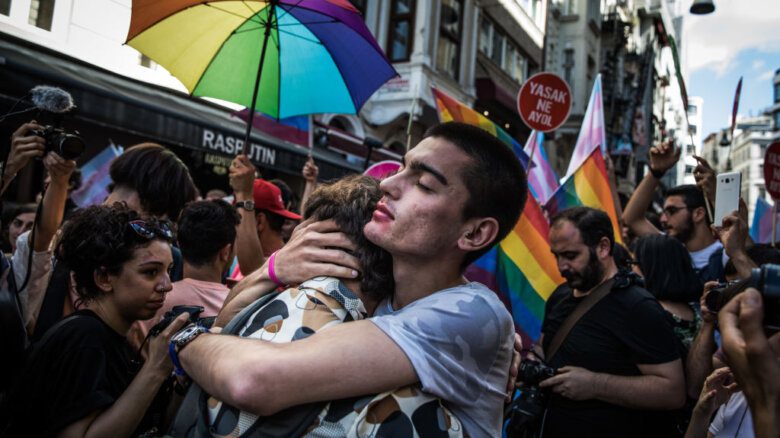
It was from this starting point that I began imagining a package of writing about LGBTQ2S+ people at work. I knew that queer and trans people, in particular, would be struggling with systemic disadvantages at work—and it’s true, they face higher-than-average unemployment, wage gaps and workplace harassment—but also that they’d have the courage to invent new types of work and fascinating solutions.
There are five brilliant stories in this editorial package, each written by one of the early-career BIPOC journalists in this year’s Ken Popert Media Fellowship.
Cris Nippard writes about the non-binary service workers who choose to go back in the closet during their shifts, and what it will take to change the culture of the service industry so they can bring their whole selves to work.
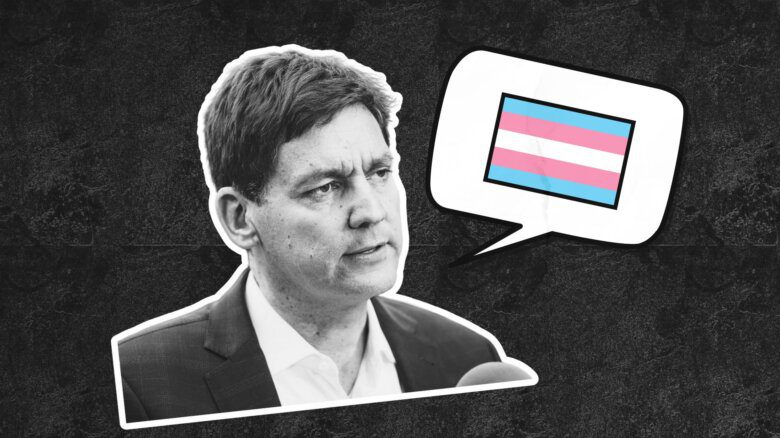
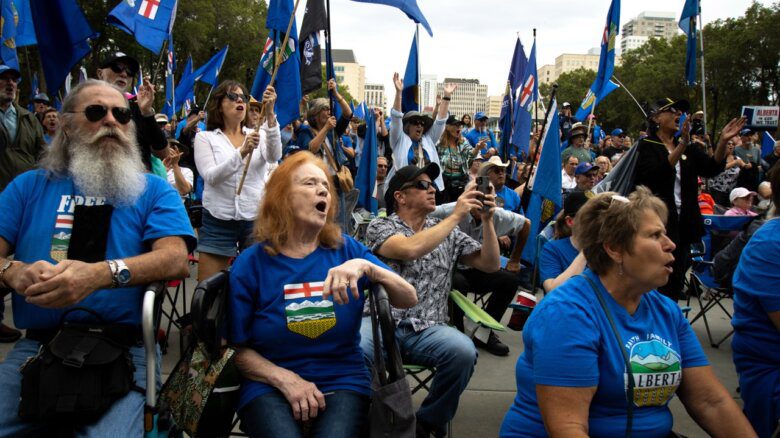
Amid Premier Doug Ford’s return-to-office order, Jacob Aron Leung speaks to trans employees of the Ontario Public Service about the discomfort of being trans in a government office. As Alberta has followed suit and the federal government eyes its own back-to-office directive, this story is only getting bigger.
Victoria Hincapie Gomez writes about the government-funded programs that are helping LGBTQ2S+ refugees and immigrants like herself find jobs. When funding for a trans youth employment program she was part of disappeared, Gomez decided to find out where the money had gone.
Alice Boyle gives an update from the front lines of the gender wars in Saskatchewan schools, where anti-trans bills are forcing teachers to choose between outing trans kids and breaking the law. Caught in the middle, Boyle found that some teachers are choosing to leave the profession entirely.
And Ghazal Azizi profiles Canada’s growing community of LGBTQ2S+ farmers. Using organic practices on small community-supported farms, these farmers talk about the pleasures and hardships of working the land while queer.
These are all stories of people who are searching for good work. Work on farms that doesn’t require them to deplete the land or cook the climate. Office work that’s not peppered with microaggressions and bracketed by hours of soul-crushing commuting. Work in classrooms that makes younger generations of queers a little freer and safer.
These days, the search for good work feels more desperate. As wealth is ever more concentrated among Canada’s richest few, it leaves less for ordinary people to get by on. And as ordinary people are hard pressed to make ends meet, those at the top—the CEOs of multinational corporations, for instance—can get away with eroding working conditions while tucking away the resulting profits in their own pockets. It’s a vicious cycle where the rich get richer, and work gets shittier for the rest of us—most acutely for trans workers.
Exiting the ouroboros means banding together to demand more than crumbs—because at the end of the day, everything grinds to a halt without workers. Queer and trans workers, with our long tradition of struggles for inclusion and justice and formidable contributions to the labour movement, will play a crucial role. It’s no accident that some of the workplaces with the most vibrant and victorious union organizing are in industries with high proportions of queer and trans workers—like the baristas at Starbucks, or the flight attendants at Air Canada.
In these stories, we see workers standing up for each other against bad bosses and bad systems. They’re starting farms that ship boxes of fresh local veggies to the people in their community. They’re speaking up to correct a manager who misgenders their coworker. They’re pushing for funding for programs that help immigrants find jobs. They’re defying unjust laws that would endanger the trans kids in their care.
These stories don’t shy away from the tough, sometimes sad, realities of working while queer. But they’re stories of people who still, as one of my favourite poems put it, “strain in the mud and the muck to move things forward.” They make me feel hopeful, surrounded by queers who are dreaming of and inching toward a world where working conditions are dignified and sustainable for LGBTQ2S+ workers, where the work itself contributes to the well-being of generations to come.
This story is published with support from the 2025-26 Ken Popert Media Fellowship program.

 Why you can trust Xtra