Pixelated

Game critic looks at problem of LGBT representation in video games

Poor Matthew Patrick. All he wanted to do was talk about video games and drag. How could it go so horribly wrong?

The problem lies in the pixels.

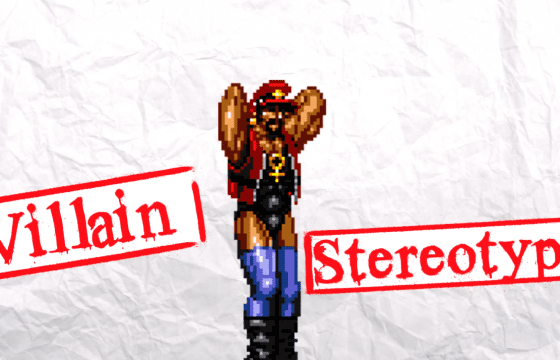
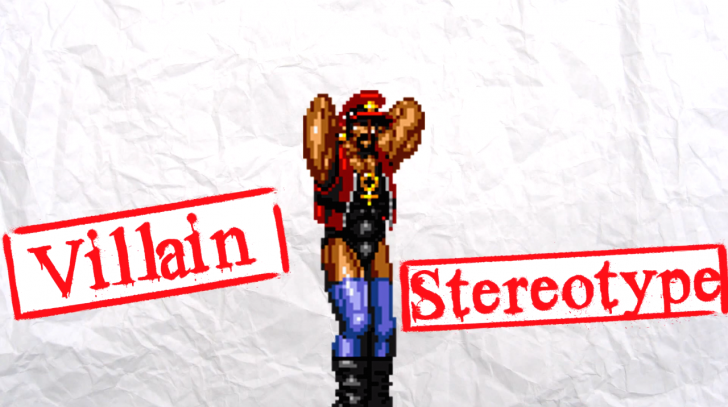
Take, for instance, the high-sock, limp-wristed, high-heeled, leather-daddied, effeminate mid-boss villain Ash from Streets of Rage 3. That’s basically every gay stereotype you could imagine rolled into one character. While it may be a silly joke, when you see that joke repeated over and over again, it reinforces beliefs about gay people.

The gaming critic, who runs YouTube channel Game Theory, recently uploaded a video on just a few ways the gaming industry has failed the LGBT community over the years. From the equation of homosexuality to mental illness to stereotypes and more, Game Theory is an excellent toe dip into the problem of LGBT representation in video gaming.


Michael Lyons is a queer-identified, chaotic neutral writer, activist, misanthrope, sapiosexual, and feline enthusiast. He is a columnist, blogger and regular contributor with Xtra and has contributed to Plenitude Magazine, KAPSULA Magazine, Crew Magazine, Memory Insufficient e-zine, The Ryersonian, Buddies Theatre blog, Toronto Is Awesome blog and Fab Magazine and more.

Read More About:
Culture, Arts, Vancouver, Media, Ottawa, Toronto, Canada

Keep Reading

Bentley Robles

Bentley Robles wants a brotherhood of gay pop stars

The yellow-haired singer talks rising stardom, Zara Larsson and dating while gay-famous
Vivek Shraya being kissed by a man

Vivek Shraya is hot, blond and hitting the dance floor

The Toronto multi-hyphenate’s new album, “VIVICA,” shirks respectability politics for a sensual, high-gloss exploration of queer and trans desire
Morphine Love Dion, Dawn and Morgan McMichaels

‘RuPaul’s Drag Race All Stars 11’ plays it safe for the first bracket—until the very last minute

Already, we see the consequences of only two queens moving forward from each bracket to the semifinals
The cover of Alice Stoehr's Again, Harder. The book has black letters on a lilac background. In the middle of the cover is a red rectangle with a black line drawing of it. The drawing is of two figures entangled; they have human bodies but animal heads. The same image serves as the background behind the image of the book cover.

‘Again, Harder’ captures being part of an in crowd made up of those on the outskirts

Being trans can be a vital way to connect. Author Alice Stoehr illustrates how it can also be the extent of connection
Advertisement