It’s been a hell of a time for the queer Canadian arts scene. You’ve heard about that thing in Vancouver, right? (If you haven’t, please, read it now.) Whether or not you believe the surveillance was done with the best of intentions or not, the outcome — having video released from a private party — should be leaving a bad taste in everyone’s mouth.
But it also makes you question the camaraderie between LGBT folk in the arts. Are we all just out to get each other?
The obvious answer is no. Of course not. And this is the evidence I’d like to submit:
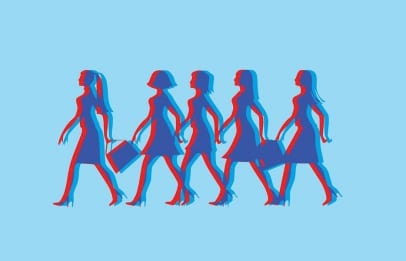
A Toronto production of Five Women Wearing The Same Dress, a play written by Alan Ball in the ’90s, was not smooth sailing before its opening night on Nov 24, 2015. But when I saw the show on Nov 25, it was sharp, funny and draws you into its Tennessee world with all the charm you’d expect from Southern belles.
Even for a screenplay penned almost 20 years ago, Five Women is topical in the queerest sense. When the lesbian character, Mindy, proclaims, “Paint me like a truck stop whore!” it’s almost bizarre until you hear her compare Miss America contestants to drag queens. Gender is all performance — Mindy knew it then, and we’re still having that conversation today. And when fireball Trish talks about her former, closeted lover who has AIDS, the girls speak in hushed, scared tones. HIV stigma is still alive and well; seeing it from a ’90s perspective just drives home how little progress has been made.
But that’s not what makes this production so incredible. Before the show opened, and with plenty still left to do, director Dori Elhachem passed away after a five-year battle with cancer. With only weeks to go until the scheduled opening night, Adam Bailey stepped up to lend a directorial hand. If Bailey sounds familiar, he should: he’s a high-profile, gay director who’s a Fringe darling.
And his good work is apparent. In fact, if you didn’t know two directors were a part of shaping Five Women, there’s no way you could know — it’s seamless. But the “gay touch” is there, intentionally or not: Mindy knows her shit when it comes to gender and drag; Trish questions marriage, like almost any gay man does; and Meredith oscillates between rebelling against and striving to be her sister, the idealized (and never seen) Tracey.
It’s Frances (played by Chelsey Marie) where I, as a gay man, saw the most of myself. In a room of loud, feminist women, Frances — try as hard as she might — can’t fit in. She wants to, so desperately, but knows there’s a part of who she is that won’t allow her to gel in the same way the other four women do. She’s written that way, but I’d be surprised if Elhachem and Bailey didn’t have a sway in the direction, and Marie captures that vulnerable, needy nature to a tee.
Like the titular women banding together to help each other, Bailey stepping in to finish Elhachem’s project is an awe-inspiring affirmation of sisterhood. We shouldn’t let a bad example think we’re only living in a gay-eat-gay world.

 Why you can trust Xtra