Melbourne Underground Film Festival director Richard Wolstencroft has
been charged by the local police force for screening Bruce LaBruce’s hardcore splatter flick, LA Zombie.
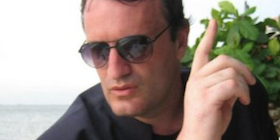
Melbourne Underground Film Festival director Richard Wolstencroft
Wolstencroft screened the film last August, despite a ban by the country’s classification board. Shortly after the screening, his home was raided by police looking for copies of the film.
Yesterday Wolsten responded to the charges in a press release:
“It is unfortunate that the year has begun with charges being laid against me and MUFF in relation to the screening of LA Zombie
Advertisementat the close of last year’s successful festival,” Wolstencroft said,
defending his decision to screen the film on anti-censorship grounds.“LA Zombie is a film made by a well-renowned and established
queer filmmaker, Bruce LaBruce, who has had his work played at a number
of established film festivals all over the world.”“Our only intention was to play this important work of cinematic art
to an appreciative adult audience after its screening was cancelled by
the Melbourne International Film Festival due the OFLC’s absurd decision
not to grant it exemption to screen.”“We strongly reject the decision of the OFLC in this matter,
considering it totally inappropriate and out of touch with community
standards. Our screening at MUFF 11 went ahead and was a great success.”
An edited version of LA Zombie screened at the 2010 Toronto International Film Festival.
 Why you can trust Xtra