It’s just after 5 p.m. on Valentine’s Day, and a line is already forming outside Closer, one of Kyiv’s most beloved nightlife institutions. Revellers are braving the freezing temperatures that have plummeted to -14 °C to spend the night at Vertuha, a queer electronic music club event.
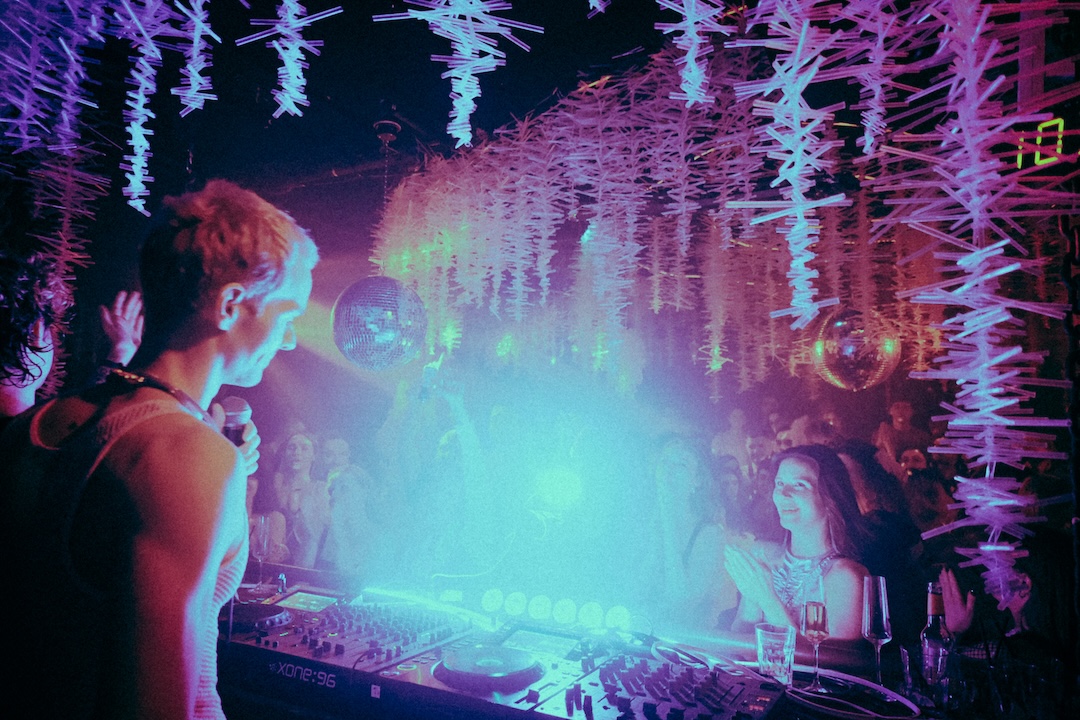
Closer, set within a former factory complex, is harder to find than normal in the city’s darkened streets. Months of Russian missile bombardments and massive drone attacks regularly targeting energy infrastructure in the capital have caused widespread power outages. But despite these extraordinarily challenging conditions, Kyivans are still ready to dance the night away. Angelic halos, white dresses adorned with feather boas, Victorian-era neck ruff collars and sparkly ensembles are everywhere in the main dance room.
Under the shadow of Russia’s devastating war, which marked its fourth anniversary last month, queer nightlife has become a physical manifestation of the power of community in the face of unimaginable tragedies. Before the invasion, Kyiv was home to a booming electronic and dance-music scene, with clubbers from Europe and beyond flying into the city for nights on the dance floor.
Today, visits to Kyiv require flying to any city in neighbouring Poland before taking a 10-hour train to the city from the Polish border city of Przemyśl. International tourism has practically disappeared. Long gone are the club nights that run into the morning hours, with martial law enforcing a midnight curfew across the city. Vertuha starts at 5 p.m. and finishes at 10:30 p.m. sharp, leaving enough time for guests to travel home before curfew starts.
Margarita, who only wants to share her first name, now a regular of Vertuha events, still remembers her first party. “Inside was lots of glitter, sparkles, disco grooves and we met so many beautiful people—we are still in touch with some of them. This feeling of openness and inclusivity made that night special.”
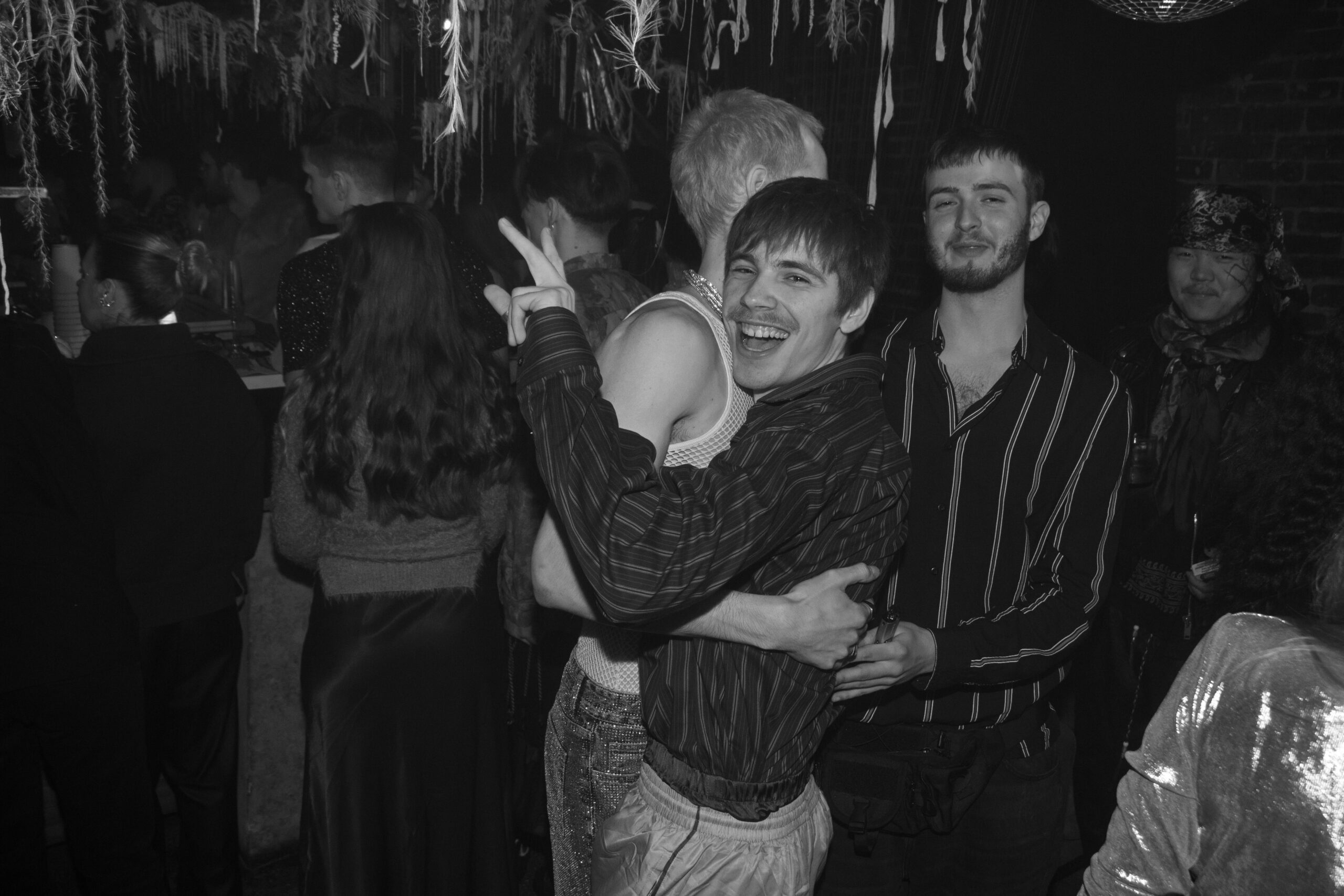
Revelers at Vertuha on Feb. 14, 2026. Credit: Study of Night
For Margarita and countless other attendees of Vertuha, the experience is about more than just the music: it’s about sharing small moments of joy with others. “I miss the times when we used to catch the sunrise after dancing all night, but even more, I miss the people I used to share the dance floor with,” she says. “Some have left the country, some went to fight and some are no longer with us.”
While the Ukrainian capital is hundreds of miles from the war’s front lines, it has not been spared from the terrors of the full-scale Russian invasion. This winter has been the coldest in Kyiv in 15 years, with Russian attacks sending Ukrainians to seek shelter as dozens of missiles and hundreds of kamikaze drones kill and maim civilians across the city.
“Among the ongoing war, deaths, bombings, blackouts and other horrors of war, Vertuha’s parties are the place to reconnect with hope, light and love,” says Oleskandr, who has been going to Vertuha events for more than six years.
Truly queer-inclusive nightlife events like Vertuha, where LGBTQ+ people can wear exactly what they want and be exactly who they want without fear, are few and far between in Kyiv and almost unheard of outside of the capital. Depending on the night, around 300 to 500 guests attend Vertuha, making it one of the largest events of its kind in Ukraine. Vertuha events are normally held around every two months or so.
Oleskandr sees Vertuha as one of the few places in Kyiv where you have the freedom to fully express yourself, come out and, perhaps most importantly, gain inspiration to live your life and not give up in difficult times.
“I miss the people I used to share the dance floor with. Some have left the country, some went to fight and some are no longer with us.”
Since the full-scale Russian invasion, some progress has been made in Ukraine on LGBTQ+ rights and attitudes. An October 2025 survey by the Kyiv International Institute of Sociology found that 78 percent of Ukrainians believe LGBTQ+ people should have the same rights as other citizens, an almost 15 percent increase since 2022.
However, a number of anti-LGBTQ+ attacks have been reported in Kyiv and across Ukraine in recent months. Police raided Kyiv gay nightclub Dark Room in August of last year, with partiers alleging physical violence and insults by law enforcement officers. The local district court not only closed the case against an attendee named Serhiy S. but they also issued a ruling that noted the illegal actions of the police.
In February, bisexual Ukrainian pop singer Mélovin, who represented Ukraine at the Eurovision Song Contest in 2018, was forced to cancel a concert in the western Ukrainian city of Rivne after masked right-wing protesters disrupted the show with anti-gay-marriage signs. The remainder of his tour was subsequently cancelled due to safety concerns.
“Although the treatment and perception toward the LGBTQ+ community from members of Ukrainian society has shifted from acute negative to more or less ‘I don’t care much, let them live,’ still most of the LGBTQ+ community hide their identities,” says Oleskandr.
For Seba Korecky, DJ, music producer and co-founder of Vertuha, connection and community remain at the heart of his disco and house parties. “It’s a place dedicated to open-minded people,” he says just before his headlining set. “You can turn left or right, and even if you don’t know them, they’re like your old friends. It’s really the place where people can shine, be themselves, dress however they want and express themselves.”
Unlike other club nights that may focus on heavy drinking or drugs, Korecky has made a queer space where guests can enter completely sober and dance the night away. While some guests choose to drink alcohol, others are happy to sip tea. When he’s asked for advice on how to start a queer party, he isn’t sure what to say: “They said, ‘You made one of the greatest queer events in Ukraine, how did you do it?’ I was never thinking about straight or gay. If you’re a good person, respect others and want to express yourself, you’re more than welcome to come in.”
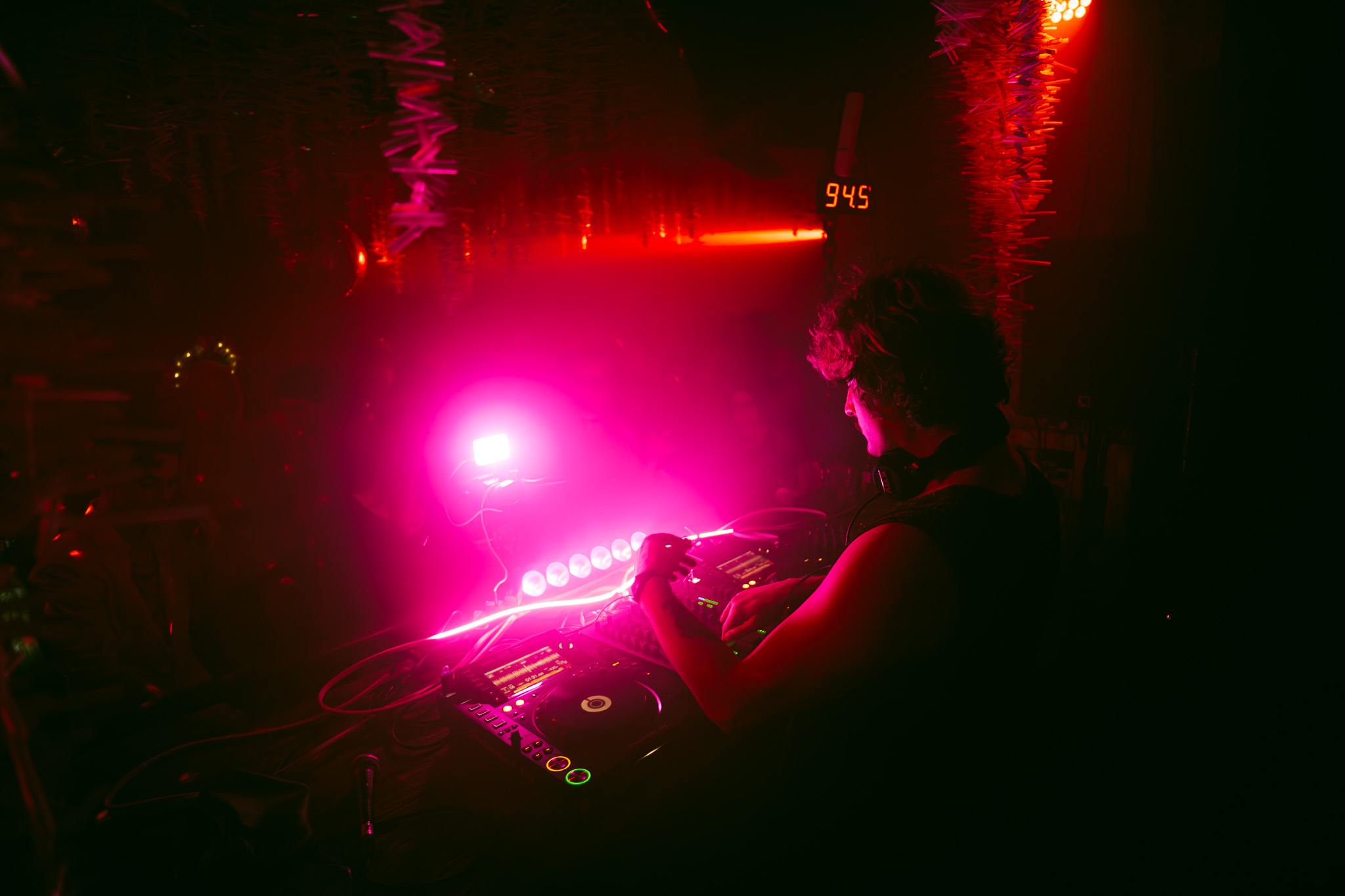
Vertuha on Valentine’s Day, 2026. Credit: Vova Mae
Across the city on the fourth floor of an unassuming building is LIFT Kyiv, a queer bar and nightlife space. Hosting drag shows from local queens like Queen AuRa and Manila Boss, more experimental performances share the stage with karaoke events and parties where participants sing Lady Gaga or battle in a Eurovision-style competition. With its two expansive dance floors, LIFT is probably the single largest gay club in the city.
“It’s a very safe space, it’s hard to find us,” says DJ Vlad, referring to the complicated route into LIFT—visitors have to go into a back courtyard, through a building lobby, into a shaky lift and finally navigate dark corridors into an unmarked, cushioned door.
But a mix of locals leaving the city since the outbreak of full-scale war, young men being called to fight in the Armed Forces of Ukraine and strict curfew hours have impacted the venue. The shift to karaoke is, in part, a reflection of the challenging financial times many businesses in the under-attack city face.
“We don’t earn a lot, but we work to ensure that our institution does not close. It’s difficult for people, artists and drag queens,” manager Kateryna, who only wants to share her first name, says in the bar on a relatively quiet weekday night. “It’s a place that needs support for our guests due to the war and people going out a little less.”
Kateryna has worked at LIFT for 12 years, in that time seeing first-hand how the city has changed for LGBTQ+ people. “LIFT has truly become a safe space for many to find support, self-expression and emotional recovery during these difficult times,” she says.
A diverse mix of guests can be found at LIFT with a range of ages and genders showing up to celebrate this pocket of freedom. At a time when Russian forces are attempting to not only take over the nation of Ukraine but also force anti-LGBTQ+ laws onto queer people, it’s hard to overstate the value of such inclusive spaces. According to a 2025 report published by Human Rights Watch, Russian courts have issued 101 rulings relating to people participating in the “International LGBT Movement,” a group Russia’s Supreme Court designated as an “extremist” organization in 2023.
“We are now working all on enthusiasm,” says Kateryna. “When we survive this war, and this place remains, it will be revived.”
 Why you can trust Xtra