Liberal democracy, the rule of law and the international rules-based order are all under attack. Things are deteriorating day by day, as we have just witnessed with the American military being deployed to kidnap the president of Venezuela and his wife from their beds, and the ongoing threats made about the annexation of Greenland for the sake of U.S. president Donald Trump’s imperial doctrine. At home in Canada, the democratic backsliding is happening, in some provinces worse than others, but the overall trajectory is largely the same. This backsliding is not inevitable and it is preventable, but that takes work. Queer and trans communities, who are targeted first during democratic declines, are going to need to take the lead if we hope to save our democracy.
The best way to help revitalize liberal democracy in our country is political organizing at the grassroots riding level. It’s something that Canadians are generally not taught in school, which is a big part of why we have become increasingly politically apathetic. So much of what we are taught is to simply vote, which winds up treating politics like a spectator sport in which you make a selection every four years, and that’s it. Anything more than that, and we are usually taught in school that the ways to get involved are forms of slacktivism, such as signing petitions, made more egregious by the advent of parliamentary e-petitions. Very rarely will a petition effect any kind of political change, even if it feels like you’re doing something by putting your name to it. Showing up at marches and rallies can have an impact, but it can be very context-specific, such as the North America-wide Black Lives Matter marches, but oftentimes marches are easily ignored by governments. We’ve also been through an era where people felt that actions such as changing their Facebook photo with a specific ribbon or logo, or adding an emoji to their social media handle were demonstrating that they were politically active or vocal on an issue. But that has absolutely no effect on governments or parties—it merely exists to make people feel like they’re doing something when they’re not.
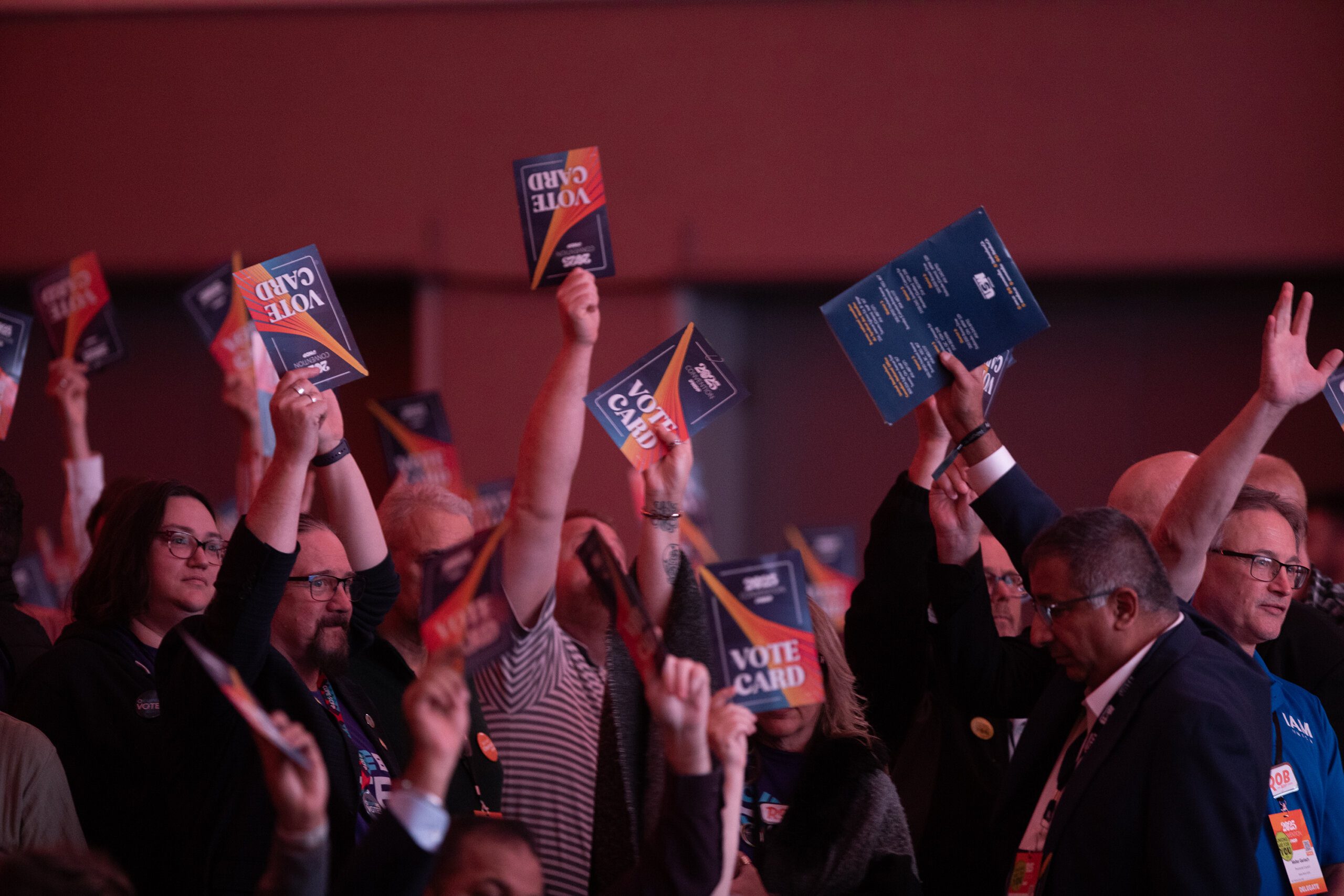
So much of our system really depends on people getting involved at the local level, which in Canada mostly means within the riding associations of your political party of choice. This is important, because it’s how you both effect political change on a more concrete level, not only as a conduit between the party membership and the caucus in Parliament but also when it comes to developing and pursuing policy resolutions for your chosen party to adopt, as well as local candidate selection. This is not only important when it comes to ensuring that you have a candidate that you feel will represent your issues within the party but it’s also supposed to be a way to hold incumbents to account. This can be because you might feel the current representative is invisible in the riding when not sitting in Parliament or the provincial legislature, or if they’re someone with views that you don’t feel represent you or the party, whether that’s someone with pro-life views, or other problematic values. Several years ago, out former Liberal MP Mario Silva described to me how he challenged the incumbent in the Toronto Davenport seat, whom he described as being homophobic, and won the nomination and held the seat in three successive elections.
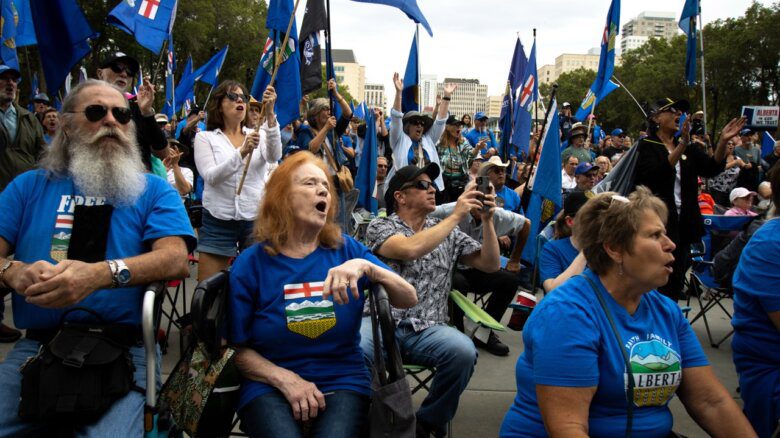
Beyond this important work of policy and candidate selection, right now, our system is in dire need of some “normies” to take back parties from the motivated zealots who have taken them over. A particular example of this is the United Conservative Party in Alberta—when Jason Kenney created the party from the dregs of the old Progressive Conservative party in the province, and the Wildrose Party, he made a point of excluding the more centrist normies in favour of those whom he felt were more conservative, and in the process, invited in a toxic stew of antivaxxers, separatists (who largely include Christian and white nationalists) and far-right enthusiasts, who realized that they could dominate the party. They eventually forced Kenney’s ouster when he didn’t bend to their wishes, and now Danielle Smith is taking the party to further extremes to please these fringe voices who have taken over the party, which includes motivating her focus on anti-trans legislation.
Unfortunately, given the degraded state of grassroots riding associations, it’s going to mean more than just joining a party at that level in order to organize politically—it’s also going to mean pushing within the party to reclaim the power of the grassroots associations. In some parties, many riding associations are moribund, largely existing on paper only. Most parties have centralized power so much that their riding associations are becoming vestigial, or merely a glorified volunteer bank to go door-knocking when they should be the ones who both own and control the party. The Liberals are probably the worst off with this right now, having pushed through party constitution changes in 2016 that virtually eliminated the power of riding associations in favour of the leader under the guise of being “more nimble,” while giving the leader greater power to appoint candidates without an open vote. During the last leadership campaign, both Chrystia Freeland and Karina Gould recognized that the party went too far and that the grassroots needed to be re-empowered, but the winner of that contest, Prime Minister Mark Carney, has yet to acknowledge that or make it a priority, meaning party members themselves will need to agitate to get their power back.
Grassroots riding associations, or other civil society groups that can pressure governments, are vital for liberal democracy. Historian and journalist Anne Applebaum recently spoke about how vital these kinds of groups were for the formation of American democracy because they “practiced democracy” on an ongoing basis with their fellow citizens, and noted that these are the kinds of groups that authoritarians like to go after first. We also recently saw this with Zohran Mamdani’s mayoral campaign in New York, which organized events for voters to show up at, including scavenger hunts that had democracy-building components. This got people out from behind their computers and interacting face to face to build a cohesive democratic movement—something that has become a lost art in an age where parties focus almost entirely on juicing the engagement metrics on their social channels.
To be effective in rebuilding democracy, we also need more building alliances within groups and parties, which means more grace, more patience and fewer purity tests or desire to “cancel” people or dogpile on them for wrongthink. If we want to rescue liberal democracy, it means we need to stop acting so online, to find shared connections and humanity in trying to rebuild or strengthen institutions before they fall to authoritarian populism.

 Why you can trust Xtra