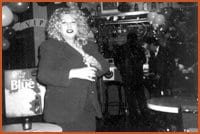
The Coral Reef will live again, at least for one night. The legendary Ottawa gay bar will be fondly remembered at a party at Pink Nightclub on Sat, Mar 4.
When the bar opened in the late 1960s, times were changing. Canadian society was loosening its restrictions. Then-justice minister — and soon to be prime minister — Pierre Elliott Trudeau was moving to decriminalize homosexuality. Peace, love, granola and Joni Mitchell and Neil Young were “in” and traditional Bible-thumping morality was going “out.”
But even though the idea of tolerance was in the air, the reality was different: The Coral Reef Club was Ottawa’s only gay bar. And initially, it was gay on Wednes-days only.
The Reef opened up in 1967. Located at 30 Nicholas Street, under Rideau Centre, it started off as a Caribbean club. But when it changed its Wednesday line-up to target gays, it became a hit and soon became exclusively a gay bar until its 2000 closing.
But even when it opened as a gay bar, the Coral Reef still treated its customers as second-class citizens. When the club deigned to allow gays entry on Wednesday nights, rules were tightly enforced against the community. Especially the drag performers.
“If you were in the shows, they wouldn’t allow you to come in dressed in drag,” says 58-year-old Brenda Starr. “You had to come in and dress and get ready in the Coral Reef, and undress before you left. They wouldn’t let you parade around. It was like that all over.”
But the Coral Reef evolved and today it remains a mystical landmark in the hearts and minds of Ottawa’s aging queer community, even though it closed six years ago. Legendary performers like Brenda Starr, Julie Robinson, Peaches Latour and many more performed at the club. Though historically not the first bar where gays, and sometimes lesbians, gathered — that honour belongs to a bar in the Lord Elgin Hotel — the Coral Reef was famous for drag shows featuring Marilyn Monroe and Rita Hayworth look-alikes, complete with feathers and rhinestones, lip-synching duets to the sounds of The Supremes.
“The big magic of the Coral Reef was that it was the first [true gay bar],” says 59-year-old Richard, aka Julie Robinson.
Richard still prefers not to give his last name. But he says he thinks that the fun of going to gay bars today is nothing compared to how it was in his heyday because “we had to create those bars and make sure they operated.”
Now a retired drag performer, Richard says that he feels good to be fondly remembered for pleasing his crowds.
“They really enjoyed me, and I enjoyed them,” Richard says. “Once people read this story, people will say, ‘Julie Robinson? That old bitch is still around?'”
The Reef enjoyed many years of long lineups and operating at capacity, says reunion organizer Alex Wisniowski.
“On the weekends, especially Saturday nights, you couldn’t get in after nine o’clock because it was packed,” Wisniowski says. “Then in the ’80s, we used to hold a lot of drag shows and benefits, and it would be packed too.”
Now organizers of the party see a chance to remember the past while building for the future. The romp with the Coral Reef’s storied past will help raise much-needed funds for Pride.
 Why you can trust Xtra