ManChyna will do things to your face

Toronto musician raps race politics, queer masculinity, popcorn

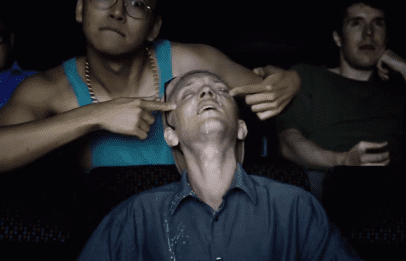
“Chinese-up them eyes like Beyoncé,” is an actual thing said on actual TV. It’s also the name of Toronto-based rap artist and burlesque performer ManChyna’s latest song and music video.

The original line was uttered on Episode 308 of The Wire, when a group of dealers are fooling around with a computerized face reconstructor, making their perfect woman.

ManChyna, it would seem, has some other ideas for identifying suspects as he gets cinematically freaky. Maybe some black lights to look for semen stains?

Check out his latest music video on YouTube, or if you’re into his brand of “part burlesque and part faggotronic rap,” you can follow ManChyna as he “strip hops around Canada like a sissy MIA” on his Bandcamp page.

Michael Lyons is a queer-identified, chaotic neutral writer, activist, misanthrope, sapiosexual, and feline enthusiast. He is a columnist, blogger and regular contributor with Xtra and has contributed to Plenitude Magazine, KAPSULA Magazine, Crew Magazine, Memory Insufficient e-zine, The Ryersonian, Buddies Theatre blog, Toronto Is Awesome blog and Fab Magazine and more.

Keep Reading

Marlon James in front of the Disappearers book cover

Marlon James’s disappearing act

The superstar author’s new novel, “The Disappearers,” has gained buzz beyond belief. He’s earned it
Samantha Josephs in front of the cover of 'Carrying'

Samantha Josephs gets dirty

The author of “Carrying” talks writing erotica, trans pregnancy—and her novel’s upcoming movie adaptation
A cartoon of two people standing close together; one is holding a puppy, the other is holding a book

How a Canadian kids’ book became the centre of a U.S. Supreme Court case

“Pride Puppy” was written to highlight the joy of Pride. It became a political flashpoint
A cartoon of people raising their fists with police officers facing them. There are flowers in the background

Queer censorship isn’t new in Canada, but we’ve won the fight before

Key figures from censorship fights in the 20th century reflect on what we can learn from them today
Advertisement