
A quick digression: as I was watching The Imitation Game yesterday — the film about Alan Turing’s work to break the Enigma code during the Second World War — I was thinking to myself, “I wonder what heteros think of this story?”
It makes sense that stories about queer characters would appeal to straight audiences. After all, us queers have managed to enjoy stories by and about heterosexuals for years, so why shouldn’t it go the other way?
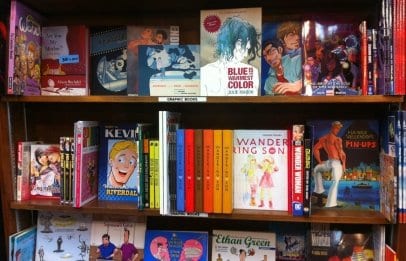
From one nerdy, queer medium to another: comic artist Rob Kirby gets at this idea in his tour de force survey of a very exciting year in queer comics and graphic novels.
Published by The Comics Journal, Kirby’s piece talks about how he’d seen predictions that queer art culture, like comics, was steadily infiltrating the mainstream.
“I’d initially maintained a healthy skepticism to this notion,” Kirby writes, “not questioning its veracity, but wary of the trend’s ability to make any but the smallest cracks in the glass ceiling against which so many of us queer cartoonists have bumped our heads over the years.”
The dozens of queer and alternative comics and graphic novels from publishers big and small are what changed Kirby’s mind. He discusses a handful of distinctly Canadian talents, as well.
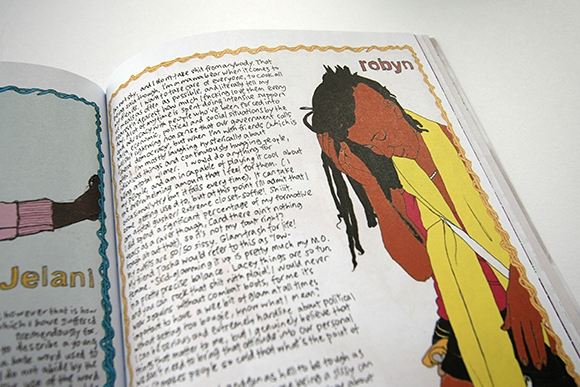
For starters, Kirby looks at Toronto graphic novelist Elisha Lim’s 100 Crushes, from Koyama Press. The book compiles writing and portraits from a number of their previous works, using interviews, memoirs and gossip, focusing on “the dignity and power of being neither straight, nor white, nor cis-gendered.”
Kirby also looks at The Collected Hungry Bottom Comics, by Toronto comic artist Eric Kostiuk Williams, published through print studio Colour Code. The collection has all three of Williams’s self-published, autobiographical Hungry Bottom Comics, which includes stories and meditations on pop culture, Grindr, love, loss and more.
Torontonians can find these two graphic novels and many more of the titles Kirby discusses at Glad Day Bookshop, though grab them quickly because they sell out fast and they’re often having to restock many of these excellent finds.

One aspect of Kirby’s 2014 queer comics survey that I especially love is his concept of “queer/not queer,” stories by queer artists that include queer themes but don’t explicitly explore queer-focused stories. This is an idea I’ve been grappling with for a while around queer culture, which Kirby sums up so succintly, with a number of examples in the graphic novel medium.
Going back to ideas around The Imitation Game, straight audiences and the queer/not queer story, Kirby explains his thoughts on why queer work is really making a difference in the industry:
“Looking ahead, the vibe I’m getting is positive: queer books are being released in larger numbers by a greater diversity of publishers who believe in the work, perhaps placing artistic merit and/or universal appeal over possible marketplace limitations. The marketplace itself seems to be blurring in this ever-shifting cultural landscape as the Mainstream is Queered and Wuvable Oafs, Pregnant Butches, Hungry Bottoms and Loving Women find crossover success with greater ease than ever before.”

 Why you can trust Xtra