Last year, when Alberta premier Danielle Smith’s government introduced legislation seeking to restrict certain books in school libraries, officials zeroed in on four particularly “offensive” titles: Flamer by Mike Curato, Blankets by Craig Thompson, Fun Home by Alison Bechdel and Gender Queer: A Graphic Memoir by Maia Kobabe. Education minister Demetrios Nicolaides claimed that all four titles included “extremely graphic and age-inappropriate content.”
What do these books have in common? Three of the four are memoirs dealing with LGBTQ2S+ themes. All four are also comics.
Maybe you call them graphic novels, comic books, cartoons or sequential art. But it’s no coincidence that stories of queer lives that bring together text and visuals are specifically being targeted for censorship across North America. After the Alberta government’s policy faced heightened scrutiny for inadvertently including literary classics like George Orwell’s 1984 and Margaret Atwood’s The Handmaid’s Tale, the reworked policy ended up zeroing in specifically on visual depictions of the content government officials claimed to be age-inappropriate—including these four books.
What is it about queer comics that scares right-wing politicians so much? Conversely, what makes them such a powerful medium for queer and trans storytelling?
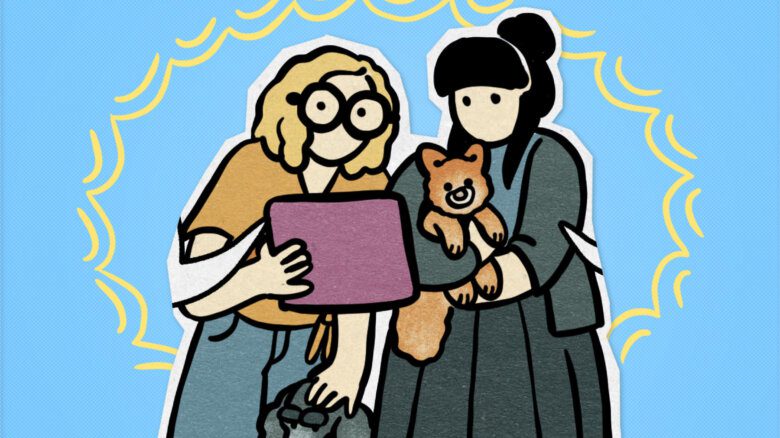
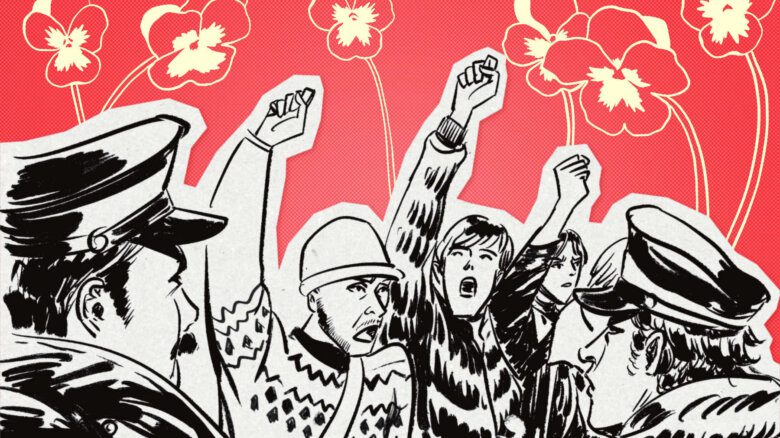
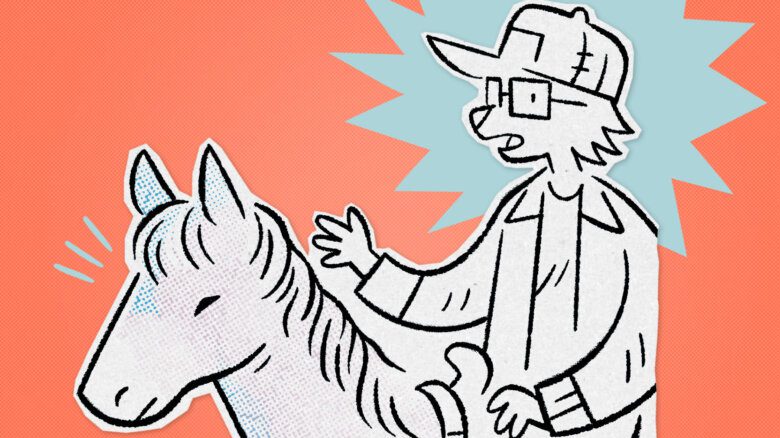
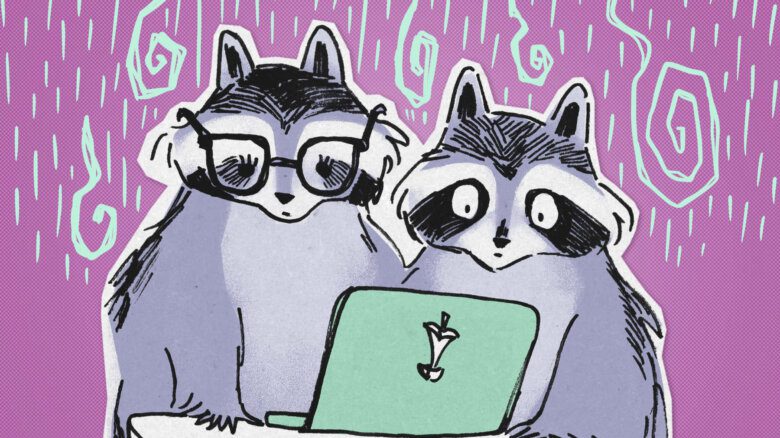
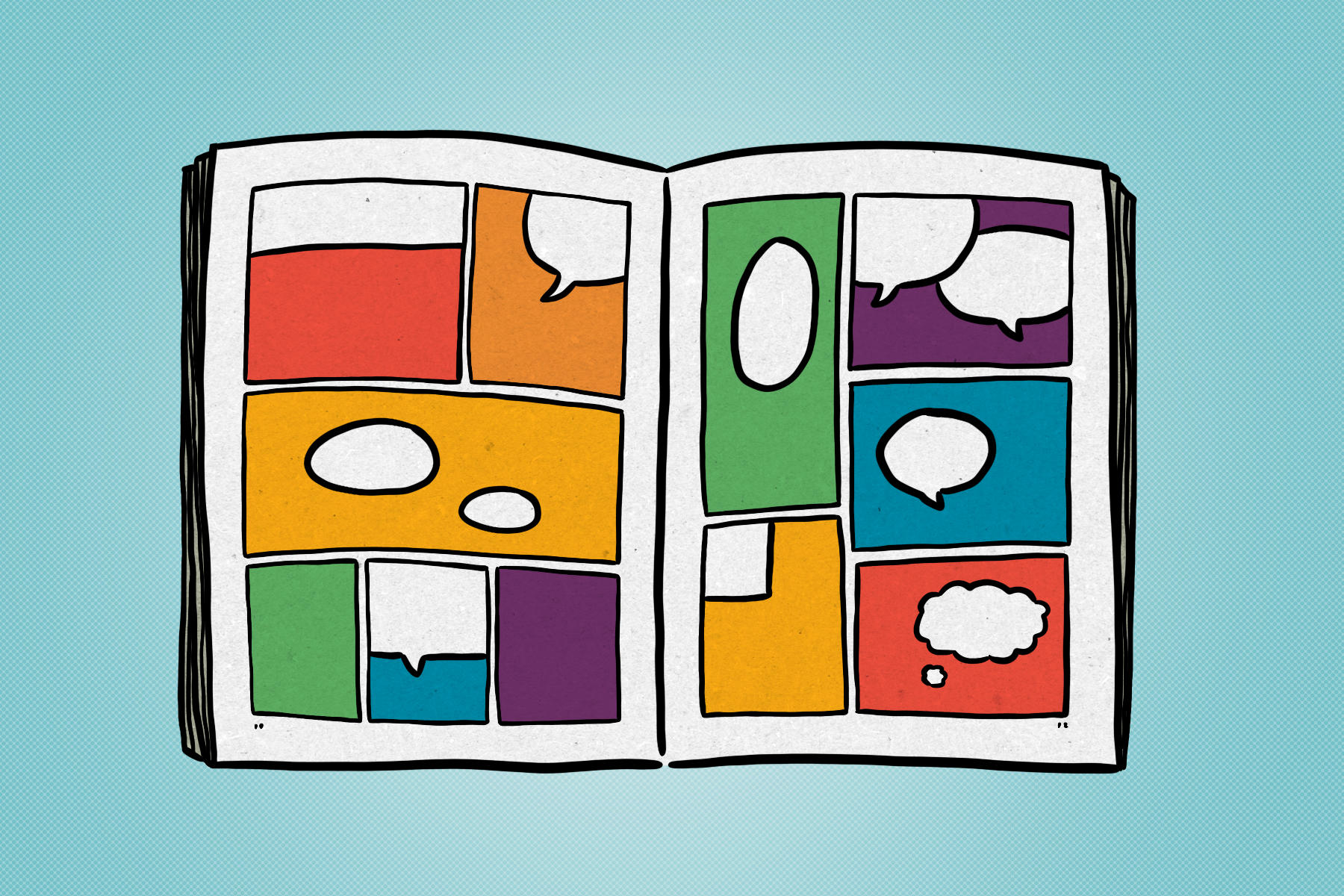
This week, Xtra launches Comics Against Censorship, a series of five brand-new original comics focused on themes of censorship against LGBTQ2S+ content. Comics Against Censorship is an Xtra editorial initiative dedicated to retired Pink Triangle Press board member Didier Pomerleau, who has long been a vocal advocate against censorship.
The series is guest edited by the author of Gender Queer, Maia Kobabe, whose book was not only singled out for removal by Smith’s government but regularly appears at the top of most-banned-books lists across North America. The American Library Association ranked it as the most challenged book in 2021, 2022 and 2023.
There was no one else we could imagine bringing in to lead this project. Since the publication of Gender Queer and the ensuing controversy, Kobabe has become a tireless advocate against censorship and for the freedom to read and experience queer and trans stories. In eir introductory essay for the series, Kobabe reflects on that fight.
“I did not intend to make speaking on censorship a major theme of my career over the past five years, but this is the climate we are living in now, and I feel passionately that more people need to be aware of the issue of government attacks on books, schools, authors, librarians and libraries,” Kobabe writes. “There are thousands of authors, artists, teachers, librarians, students and readers currently taking a stand against censorship in their schools, counties, states and provinces. I hope that reading these comics might inspire you to join them.”
The pieces in Comics Against Censorship feature stories such as the experience of a librarian making a conscious decision to stock queer books on her shelves, or how queer webcomic creators are navigating online payment platforms and restrictions on explicit content. One piece looks at the history of queer censorship in Canada, while another spotlights the experiences of a children’s book author who found their book at the centre of a U.S. Supreme Court case. And of course, we also have a dispatch from a trans cartoonist in the heart of Danielle Smith’s Alberta.
It’s no coincidence that we’re launching this series during Banned Books Week, which is marked in early fall every year to draw attention to the freedom to read. Censorship like book bans disproportionally impact queer and trans communities. According to the American Library Association, of the unique titles challenged in 2025, 1,671 (39 percent) represent the lived experiences of LGBTQ2S+ people and people of colour.
And many of these challenges or calls for book bans often come as a result of anti-LGBTQ2S+ advocacy. Reporting from the Investigative Journalism Foundation last year found that books were specifically flagged in consultations with the Alberta government in 2024 by, among others, Action4Canada, which is a conservative advocacy group with ties to Christian nationalist groups, the Freedom Convoy and anti-LGBTQ2S+ advocacy groups.
Comics provide a unique medium for deeply personal storytelling. Comics scholar Scott McCloud wrote in Understanding Comics: The Invisible Art, “When you look at a photo or realistic drawing of a face, you see it as the face of another. But when you enter the world of the cartoon, you see yourself.”
Eight years ago, in what feels like a very different life, I wrote my very first piece for Xtra. In it, I reflected on growing up in the middle of conservative Alberta, and encountering Fun Home for the very first time. In the book, Bechdel documents her journey of coming into queerness while grappling with her father’s respective homosexuality.
“Clutching the corners of Fun Home, I saw myself just as Bechdel saw herself in that bookstore. In that moment, we were mirror images: both of us 19 years old, nervous and curious, discovering new things about ourselves in the familiar bookish form,” I wrote at the time. “Seeing myself in that moment wasn’t a forceful awakening, but more like a blurry picture finally sharpening into focus.”
That’s the power that comics hold in capturing emotion and experience in a way that text alone can’t. It’s a power that lends itself to awakenings and discoveries like mine over a decade ago, and it’s a power that scares governments and bad actors who wish to stamp out queer and trans lives.
Comics Against Censorship aims to take that power and use it to tell the stories of those most impacted.
 Why you can trust Xtra