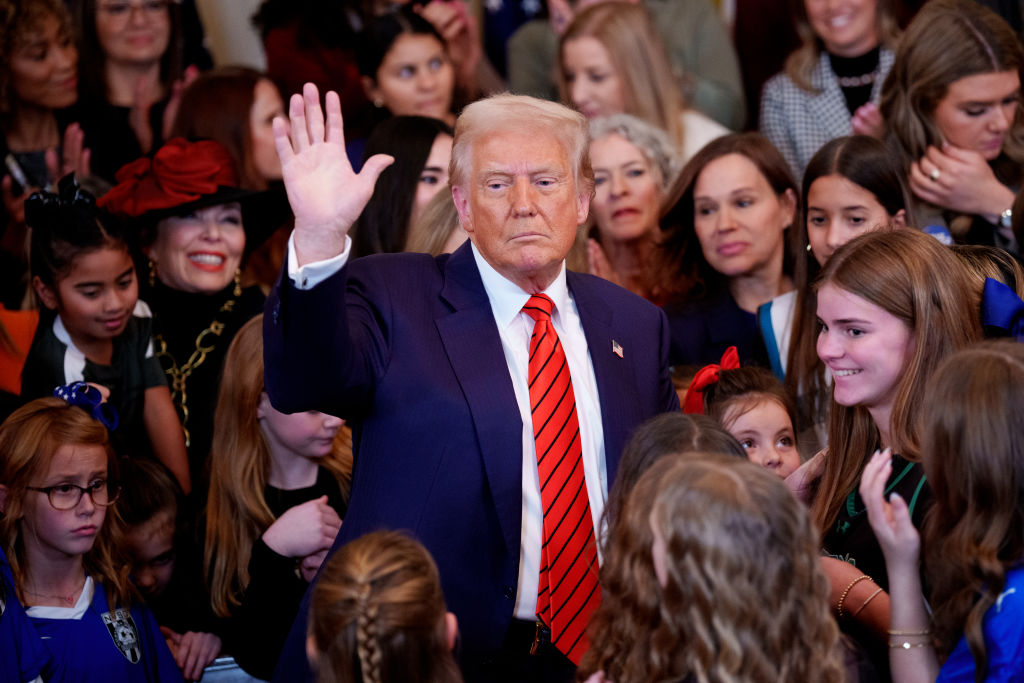
Donald Trump was re-elected a year ago last week. The 12 months since have made up the most terrifying year of my life. In the course of that time, trans people have seen many of their most basic rights rolled back by an obsessed conservative government fully committed to driving trans people out of society.
I spent much of this year analyzing my safety level in this country as a prominent trans journalist under a regime that openly hates both trans people and journalists. For months, I had constant anxiety over my own safety and had near-endless conversations with friends and families over whether I should flee the country to escape the Trump storm.
In that time, I’ve watched as Trump’s anti-trans regime stripped the F marker off my U.S. passport, limiting my ability to travel abroad. I’ve watched the administration kick trans troops out of the military and systematically shut off transition care to trans youth while it loudly signals that my own adult care is next on their agenda. I’ve seen dozens of large hospital systems, even in bright blue cities, end care for struggling trans youth. I watched as Trump shut down the national LGBTQ2S+ youth suicide hotline and waged war against cities that have rainbow crosswalks.
Trump’s bigoted cronies have erased missing kids from the government historical record and stopped funding for any government or research project with the word “trans” in it. These are just the policies I can think of off the top of my head; I’m sure that after publishing this story, a dozen more will come to mind that I will have wished I had mentioned.
But even more concerning than Trump’s open hostility toward and persecution of trans people has been the open debate amongst Democrats and liberals over whether the party should abandon its support for trans people in order to win more elections. A handful of prominent Democrats like California governor (and presidential hopeful) Gavin Newsom have openly flirted with the idea of abandoning trans people in public statements.
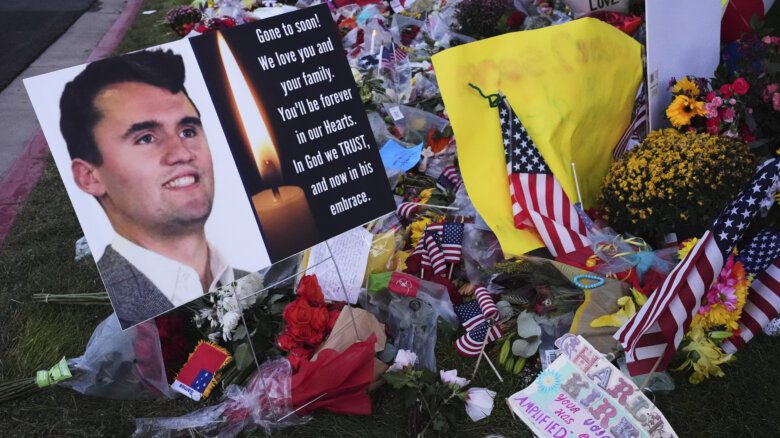
Newsom infamously told the late conservative personality Charlie Kirk in March that he was “in total agreement” with Kirk’s stance on trans issues, taking pains to call out how unfair he perceived trans women’s participation in women’s sports to be, and then later in the conversation he expressed second thoughts about supporting gender-affirming care for trans youth. He later clarified that although he’s perfectly happy to discriminate against trans athletes and trans kids, other types of anti-trans discrimination are not acceptable.
Another Democrat who had expressed a softening opinion on trans rights is Massachusetts Rep. Seth Moulton, who similarly said last year that trans women competing in women’s sports is unfair. Throughout the political landscape over the past year and change, it was often difficult to find even Democrats willing to publicly take a stance for trans people, lest a Republican election challenger hit them with a “Kamala Harris is for they/them”-style attack ad.
@xtramagazine The last two weeks since U.S. president Donald Trump’s inauguration have been a firehose of bad directed straight at queer and trans folks, our community and our loved ones. We’ve seen nearly a dozen anti-trans executive orders introduced. Mass censorship of scientific research. Preemptive compliance from sports institutions. And that’s just the specifically anti-LGBTQ2S+ stuff. Then there’s also the tariffs, the threat to take over Gaza and the cleaning out of governmental checks and balances. The attack on immigrants. The Elon Musk of it all. It can be overwhelming, and that’s sort of the point. This barrage of policy and changes is meant to destabilize us, and paralyse us from fighting back or making sense of what’s going on. Experts call it “shock and awe.” Senior editor Mel Woods breaks down how they’re coping in the current moment and gives you some tips to do the same. #trump #news #lgbtqnews #politics #queertiktok #donaldtrump #media ♬ original sound – Xtra Magazine
Even worse than the Democratic debate over trans rights has been the media’s fixation upon it. It felt like every other week the New York Times ran another opinion piece imploring Democrats to toss trans people to the wolves. Countless centrist think tanks, some of whom have struggled to help candidates win the very elections they are hired to consult on, have produced report after report claiming the way forward for Democrats is by abandoning trans people, immigrants and other groups explicitly targeted by the Trump administration.
“It was a comfort to know that other people saw what this administration is doing to people like me”
That has been the hot political debate for the better part of the last year, and living through it as a trans person has been an absolute nightmare. But in recent weeks, I have started to feel some hope again for the future of trans people in the U.S.
It started with last month’s No Kings protests, oddly enough. As I walked around the protest in my gay little New England town, I couldn’t help but notice all the trans flags and signs in support of trans people. I suddenly felt less invisible. It was a comfort to know that other people saw what this administration is doing to people like me.
And then, last Tuesday’s elections felt like a full rebuke of the conventional wisdom that Democrats can’t win elections without abandoning trans people. In New York City, Mayor-Elect Zohran Mamdani ran perhaps the most openly pro-trans campaign in the history of major U.S. politics. He frequently mentioned trans people in his speeches, he developed a high-budget plan to help trans New Yorkers who are struggling and he released a now iconic two-minute video about the history of trans people in his city and how integral they are to its fabric.
He didn’t try to shy away from his pro-trans positions; he leaned in, and in the process defeated the biggest political machine in the entire state of New York: the Cuomo family.
During Virginia’s governor race, Republican candidate Winsome Earle-Sears ran anti-trans attack ad after anti-trans attack ad. In fact, more than half of the Republican ads in the race were anti-trans. But Democrat Abigail Spanberger trounced Earle-Sears, and exit polling showed that very few Virginians actually cared about trans issues.
The 2025 off-year election has now given Democrats multiple blueprints for handling the Republican obsession with trans issues. Perhaps more importantly, those “Kamala Harris is for they/them”-style ads don’t seem quite as scary and ubiquitous now. I expect—or at least hope—that talk about abandoning trans people will die down amongst Democrats for a while.
The political world is still scary for trans people, as we were reminded late last week when the Supreme Court allowed the federal government to forcibly out trans people on our U.S. passports while cases are being litigated, and when a federal appeals court ruled that it’s likely unconstitutional for an Ohio school district to protect trans students from being misgendered by peers. But it does feel like the anti-trans hate wave may have crested for a bit.
The recent political rhetoric reminds me a little of the anti-gay-marriage messaging that helped George W. Bush get re-elected in 2004. Back then, there was also talk amongst Democrats of abandoning gay rights as a way to win elections. In the aftermath of that election, it felt like homophobia would be a permanent factor in elections, but just over a decade later, gay people won the right to marry.
Only time will tell how the future of trans rights will look, but this morning feels a little brighter than yesterday.

 Why you can trust Xtra