A United Nations panel called on member countries last week to drop discriminatory laws criminalizing sexual relations between women in a historic move.
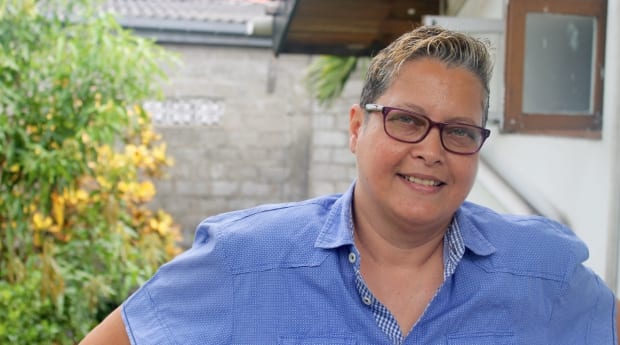
On March 23, the U.N. Committee on the Elimination of Discrimination Against Women (CEDAW) ruled that criminal codes outlawing lesbian sex in at least 43 nations are a violation of human rights. The decision regarded a complaint brought by Sri Lankan activist Rosanna Flamer-Caldera, who claimed that the South Asian country’s government was inhibiting the abilities of her organization, Equal Ground, to advocate for equality by continuing to enforce its anti-LGBTQ+ laws.
Section 365 of Sri Lanka’s penal code outlaws “carnal intercourse against the order of nature,” with violators potentially facing up to 10 years in prison. A second statute, Section 365A, states that “gross indecency” is punishable by up to two years behind bars.
According to the LGBTQ+ news site 76 Crimes, Section 365A was originally understood to solely refer to same-sex intercourse between two men, but the penal code was updated in 1995. After critics accused the statute of enforcing sex-based discrimination, Sri Lankan authorities drafted language specifically barring any act of sexual intimacy shared between women.
A 2016 report from Human Rights Watch (HRW) found that Sri Lanka’s criminal codes were extremely harmful toward virtually all aspects of LGBTQ+ life. The enforcement of Section 365 and Section 365A had resulted in “arbitrary detention, mistreatment and discrimination accessing health care, employment and housing,” according to the international advocacy organization. At least 61 LGBTQ+ people were arrested under the statutes between October 2015 and January 2016.
While the U.N. ruling does not serve to unilaterally overturn Sri Lanka’s laws banning lesbian sex, the country’s leaders are expected to report to CEDAW within six months to outline how they plan to comply with its recommendations.
The panel also recommended numerous other steps that Sri Lanka should take to further LGBTQ+ equality, including the adoption of education standards that affirm students’ sexual orientation and gender identity and the passage of inclusive civil rights legislation. Currently, the country of 21 million has few national laws preventing discrimination against LGBTQ+ people in areas like housing and employment.
The U.N. ruling was hailed as groundbreaking by LGBTQ+ rights advocates. The decision marks only the second time that the world’s largest intergovernmental organization, which counts 193 member countries, has advocated for the repeal of laws criminalizing same-sex intercourse, as the Human Dignity Trust reports. In 1994, the United Nations Human Rights Committee (UNHRC) declared that laws in Australia prohibiting gay sex were discriminatory, resulting in their ultimate abandonment.
Other countries that specifically criminalize sex between women include Barbados, Tanzania and Uganda, although it’s unclear whether they will respond to the U.N.’s findings. Many of these laws are seldom enforced, but other nations continue to harass and terrorize women under their criminal codes. Two Malaysian women were caned six times in 2018 after being “accused” of attempting intercourse.
There remains hope, however, that countries around the world may follow the U.N. recommendations. In recent years, courts in Botswana, India and Trinidad and Tobago all struck down their countries’ sodomy laws, many of which were a product of British colonization.

 Why you can trust Xtra