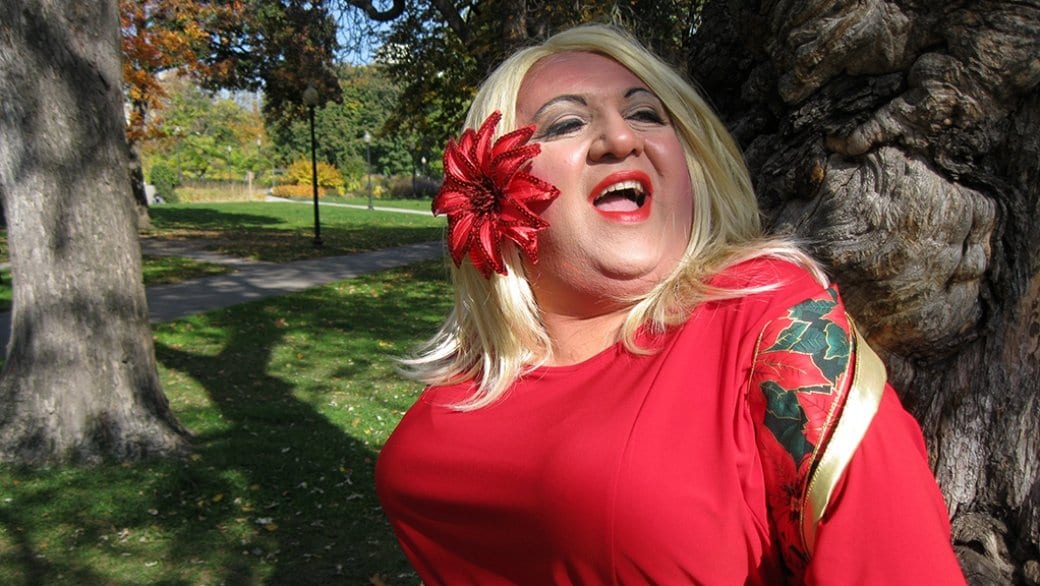
There’ll always be queer characters in mainstream comedy, and we should be the ones creating them. At least that’s the contention of Paul Bellini, known for his work writing for TV shows Kids in the Hall and This Hour Has 22 Minutes. His upcoming sketch comedy workshop is aimed at getting queers to write queer characters. Here are six reasons why he thinks this is important.
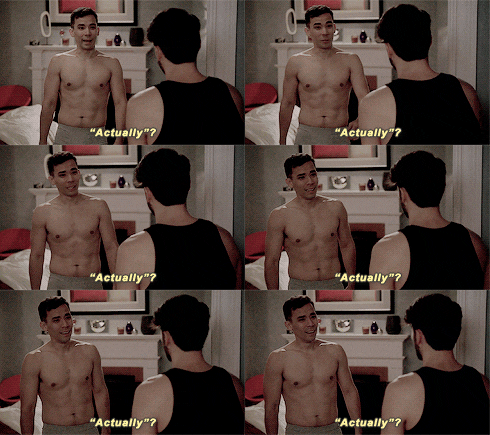
1. We can make anal sex seem fun (or at least not awful)
(ABC via getawaywithgifs.tumblr.com)
Many straight comedy writers don’t deal well with bum sex. “It’s the most horrible [thing]. It’s rape. You’re going to prison,” Bellini says. “But that’s not the same experience for everybody.” We can show it in a more favourable light.
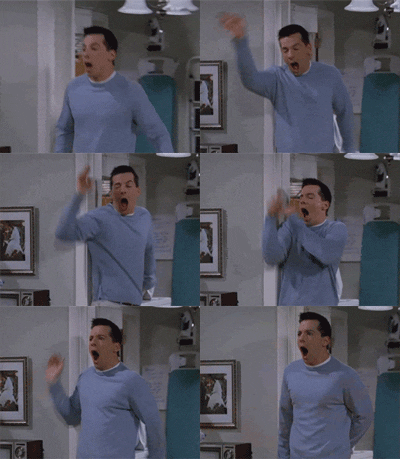
2. We can do away with “pet fag” characters
(NBC via iquoteteengirl.tumblr.com)
There are many examples in comedy of gay characters that are merely accessories for hot girls. These characters exist to spit out sassy comebacks, and it’s hard to imagine them having any sort of life when they leave the girl’s presence.
3. We can help the straights figure out polyamory
A photo posted by #DerrickBarry (@derrickbarry) on
It’s about time they got with it, and our characters might show them how. “Straight people have very guarded relationships with each other, and for them to see something like that, and see it work, would be a real eye-opener,” he says.
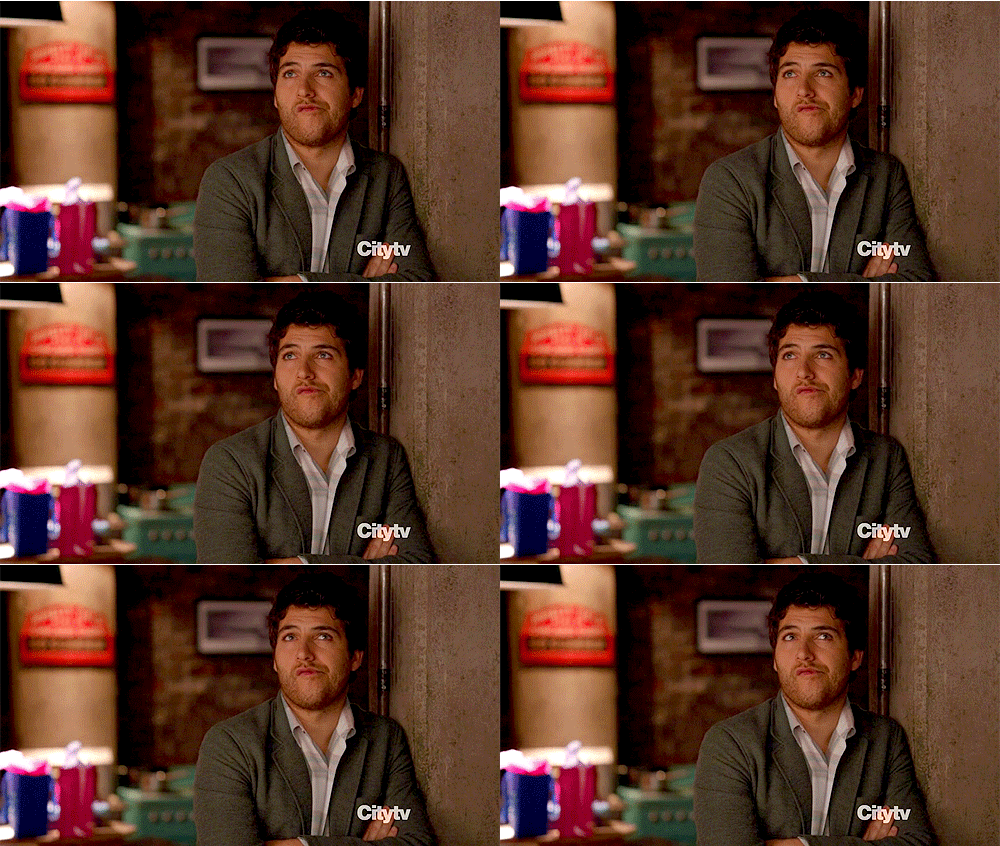
4. We could put an end to solitary, isolated gay characters.
(ABC via sriszti.tumblr.com)
They’re the ones without partners or a community — “they almost exist in some kind of bizarre isolation,” he says — and it gives the eerie sense they’re being somehow punished for their orientation. No more.
5. We can change people’s minds
(OWN via nightfallgoddess.tumblr.com)
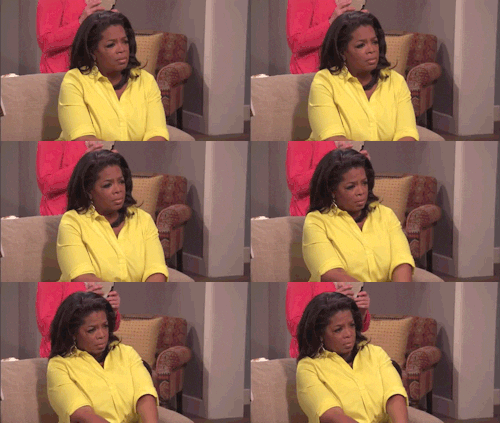
Comedy is a powerful tool for influencing people — for changing their minds about things like sex. We can use this. This is especially valuable when writing for a primarily heterosexual, mainstream audience.
6. We should help create the new queer stereotypes.
(Showtime via wifflegif.com)
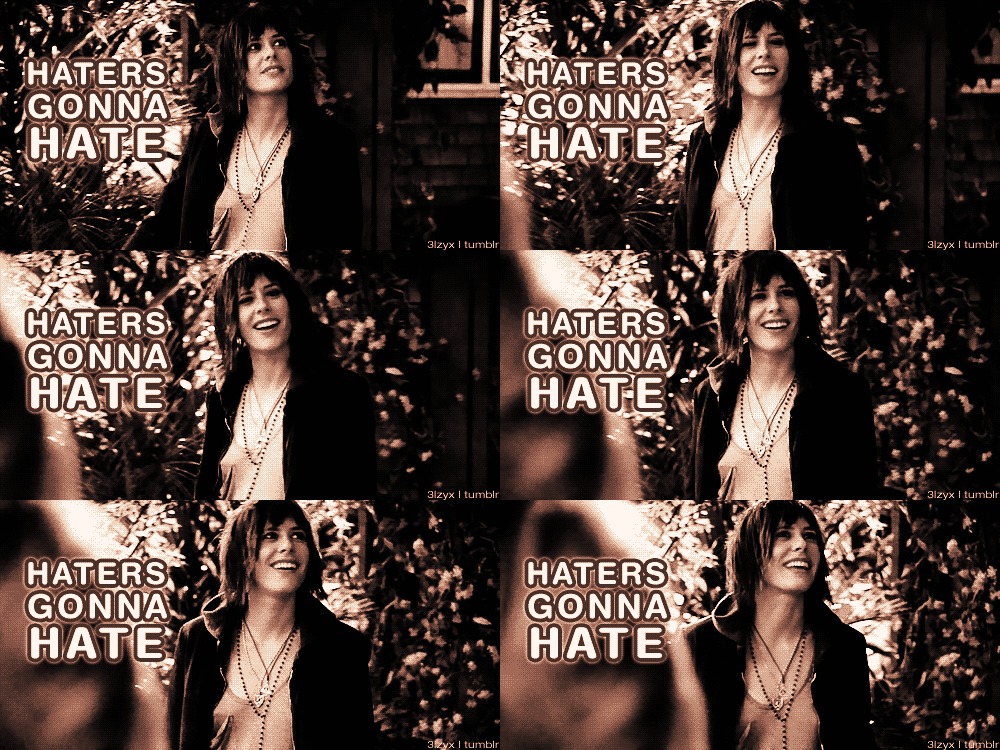
Stereotypes are necessary for comedy to work, but straights don’t always get them right. We can help introduce the world to better ones. “I’d rather a lesbian write a lesbian character than me,” he says. “I could do a good job, but she’d get it right.”
LGBT Writing Workshop
Saturday, June 18–Sunday, June 19, 2016
The Second City Training Centre, 99 Blue Jays Way, 3rd floor, Toronto
secondcity.com

 Why you can trust Xtra