Twenty years ago today, a young man with a pockmarked face and a self-effacing manner passed away.
Today, that man is name-dropped among music lovers of genres from hip hop to house to disco to new wave to experimental. His name is Arthur Russell.
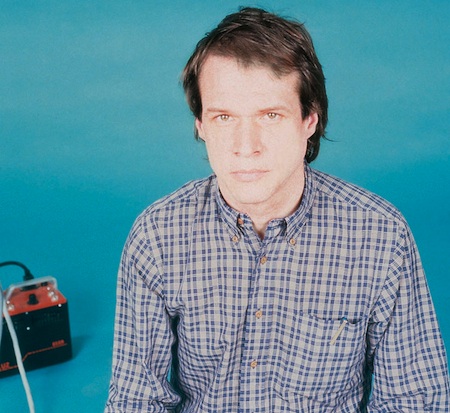
Russell was a New York fixture, adored and ignored. He worked with everyone from Philip Glass to Larry Levan to Allen Ginsberg. He played the cello, but he also made some of the funkiest and craziest disco records you’ve ever heard. He is one of the legions of composers and artists who are constantly being rediscovered by crate diggers and music historians and aficionados. There are even documentaries and books devoted to Russell’s life. His record “Is It All Over My Face,” recorded under the Loose Joints moniker on West End records, is arguably his most famous. To write it out and describe it doesn’t pay the record justice. It starts with a simple four-on-the-floor beat, nothing too fast. A jangly guitar comes in, grooving alongside jazzy keys. It’s a sustained intro, when all of a sudden, a woman starts to sing. But when you listen to it, your head starts to bop, you get stuck in the groove. It’s dirty, it’s sexy but it’s polished. It’s disco for intellectual sex pigs.
Russell was one of those people who was never fully satisfied with his compositions, at least, not until he was able to tweak it in as many ways as he could. He re-recorded many of his compositions, including “All Over My Face,” this time with a male vocal.
Another of his big hits, “Go Bang” was tweaked and reworked. At first listen, you wouldn’t think that dean of disco Nicky Siano had his paws all over this record. It sounds like it should be played at a punk bar made for gay disco queens. But again, it’s the idiosyncracies that make it work.
But Russell wasn’t just a lover of dance music. He is also known for his cello compositions, such as this one, “Keeping Up,” which features Russell himself on vocals. Quiet, earnest and reserved. His work has been cited as an influence for such contemporary composers such as Jens Lekman and The Hidden Cameras’ Joel Gibb.
It’s hard to decide which Russell I prefer: the soft, sensitive man who played his cello or the gregarious guy who made us all bang. In the end, it doesn’t matter. He is no longer with us, so we pay our respects in the best way we can: by listening intently.

 Why you can trust Xtra