Lesbian lovechild

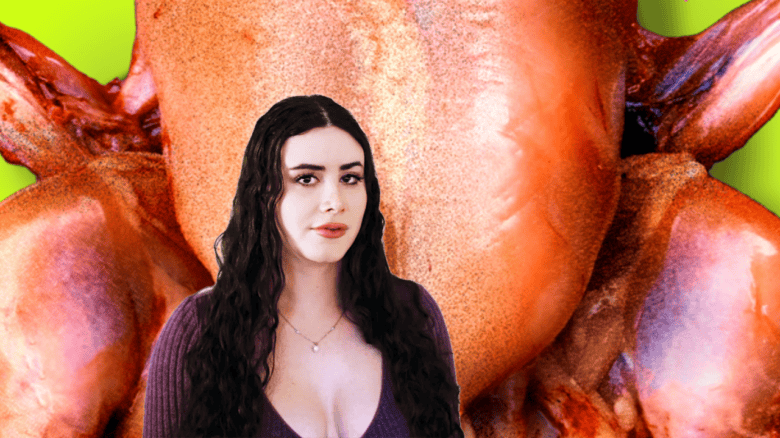
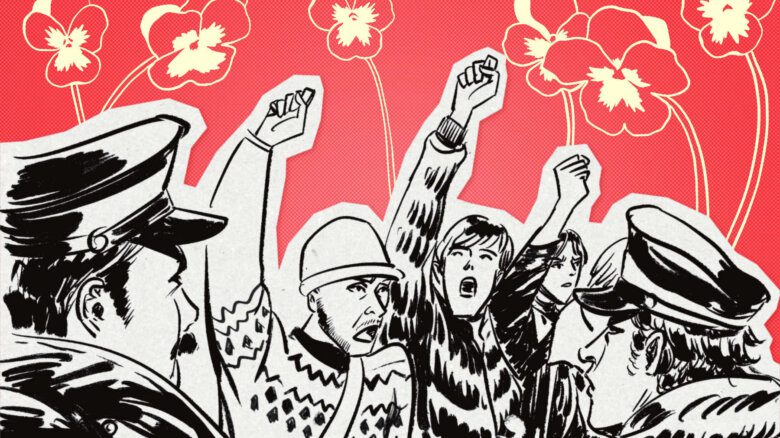
No, the press didn’t slip off register as it printed this page. This is multimedia artist Toni Latour’s depiction of the future of lesbian reproduction, sort of.

Latour’s new exhibit, The Family Project, looks at the possibility of creating queer offspring by merging lesbian genes — sans sperm donors.

The project was inspired by the Japanese mouse Kaguya, the first mammal born without the use of sperm.

“Her very existence is a beacon for the possibility of lesbian reproduction,” Latour maintains.

This image merges photos of Latour and her former partner Rina Larsson to show which traits they have in common (look at their eyes) and which ones they don’t.

Now imagine those traits swirled in a merged genetic pool.

It‘s “a unique opportunity to see what our potential child might have looked like as an adult,” Latour explains.

On occasion, the number of editors and other staff who contribute to a story gets a little unwieldy to give a byline to everyone. That’s when we use “Xtra Staff” in place of the usual contributor info. If you would like more information on who contributed to a particular story, please contact us here.

Keep Reading

Frank Ocean

Frank Ocean soundtracked my two earliest—and most devastating—romances

“Blonde” and “channel ORANGE” both came out during pivotal moments in my queer awakening. A decade later, how can I listen to them without breaking my heart? 
The cast of Canada's Drag Race All Stars

‘Canada’s Drag Race All Stars’ finale recap: The first Canadian ‘All Stars’ champion is …

A Lip Sync Smackdown for the Crown delivers goops and gags before crowning one queen
Annie Jacobson (Ella Rubin), Maple (Mabel Strachan), Oona (Bo Bragason) and Ramona (Amélie Hoeferle) shout in a scene in Sterling Point.

Even in the idyllic queer world of ‘Sterling Point,’ whiteness is front and centre

The Muskoka-set series glosses over the racism of Canada’s cottage country
Cover of the book "Unsafe"

‘Unsafe’ challenges us to handle anti-trans backlash differently

S. Lamble’s debut argues that punishment makes anti-trans activists double down on their hate
Advertisement