It’s about 10pm on Aug 2 and already the lineup for the Caribana Celebrity Ball at Circa nightclub in Toronto stretches down the street and around the corner. Passersby are forced to walk out on the street to get by the crowd.
I’m not a fan of dancehall music but I’m nevertheless interested to see who will be performing tonight. Following an outcry from some in Toronto’s gay community, Circa announced that it would drop Jamaican dancehall musician Elephant Man from the concert’s roster. Elephant Man is notorious in some circles for homophobic lyrics that glorify the murder of gay and lesbian people.
Prior to the event Xtra confirmed Elephant Man’s cancellation with Circa but was told by the independent event promoters and Elephant Man’s management firm that he would be performing as planned. In the crowd tonight the rumour persists that Elephant Man, known also as the Energy God, will show up to perform, a rumour some in the crowd desperately hope is true.
“He’s so great to watch in person, never stops. You’d be on your feet the whole time,” says my friend Moriam, who is accompanying me on the trip. Perhaps chaperoning is a better word. I’m dressed in my beach clothes from earlier in the day: an Old Navy T-shirt and flower-print swim trunks. I feel like one of the Beach Boys crashing a Mos Def concert.
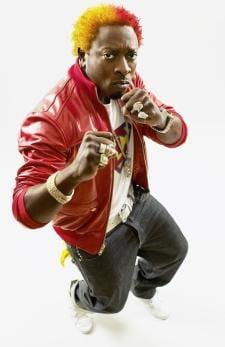
There’s no doubt Elephant Man, born O’Neil Bryan, is a popular figure here. Several people in line are wearing T-shirts sporting his unmistakable likeness: red, orange and yellow cornrows; silver chains and iced-out wrists. I see a hoodie with “Nuh lingah” written on the front, a reference to the single from Elephant Man’s Grammy-nominated album Let’s Get Physical.
There is also a clear sense of disappointment about Elé’s absence from the show, which includes performances by US rapper Fabolous and singer Trey Songz. What’s less certain is how people feel about the circumstances surrounding his absence at Circa.
Despite my obvious status as an outsider, people are friendly and open to talking with me — until I bring up dancehall’s reputation for homophobia.
“I’m just here to have a good time. I’m not talking about hurting nobody,” says Bobby Jones, a tourist from New York who paid $60 for a chance to see Elephant Man on stage. “[The promoters] said he was coming and nobody cared. Then some people complain that he’s offensive and he can’t come.”
I mention to Bobby that I would find Elephant Man’s call to arms against gay people offensive, being gay myself.
“I’m cool with that, I don’t mind,” he replies. “But consider that nobody’s forcing you to be here.”
Bobby has a point: the chance of this group being whipped into an antigay frenzy over some rap lyrics is zero. His dismissive attitude about dancehall’s demons is also reflected by many in attendance, to varying degrees.
Some, like Moriam, suggest I’m focusing on a few bad apples in an otherwise empowering musical genre.
“Lots of dancehall music deals with real problems that people have, like poverty and violence,” she says.
Artists like Sizzla.
“Those guys paid, like, a thousand bucks to be sitting next to the stage. That’s how big it is,” Moriam explains.
 Why you can trust Xtra