You always hold doors open.
That’s because your mama taught you to help others: you hold doors for stragglers, lend your ear, dispense advice, volunteer, donate and keep an eye on your neighbour’s house. Really, it’s no big deal.
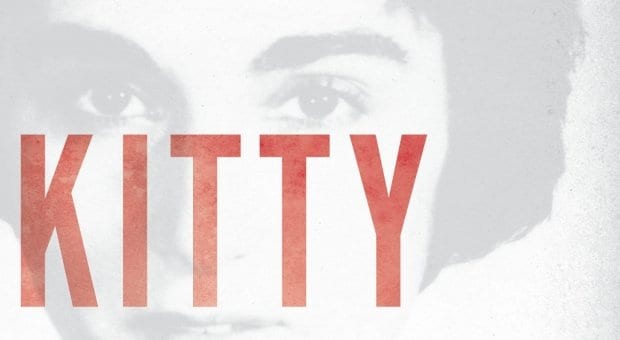
You’re a good helper, but how involved do you get in other people’s matters? Read Kitty Genovese: The Murder, The Bystanders, The Crime That Changed America, by Kevin Cook, for example, and ask yourself what you’d do if you heard a murder.
By all accounts, Catherine “Kitty” Genovese was a nice girl with a great smile and a generous spirit. As the manager of a local bar near her Queens, New York, neighbourhood, Kitty was trustworthy, good with customers, and was known to loan money to regulars in need. She made friends easily and was an “adventurous, troubled but optimistic, hard-working, fast-driving, living, breathing person.”
Until the morning of March 13, 1964.
It was just after 3am that morning and Kitty was on her way home to the apartment she shared with her girlfriend, Mary Ann Zielonko. Most people thought they were just roommates, and, though it wasn’t quite the truth, the women let others believe it because it was safer. In 1964, homosexuality was still illegal.
She was in her beloved red Fiat and was driving fast, as she usually did. Perhaps because of the hour, Kitty didn’t notice that she was being followed.
Quiet, soft-spoken Winston Moseley had done something noteworthy for an African American man in 1964: he’d purchased a house in an up-and-coming, mostly white neighbourhood where he and his wife, Betty, were raising their boys. Between his good job and Betty’s salary, they were relatively well-off, but Betty sometimes worried about Winston. He was an insomniac and liked “just thinking.” What she didn’t know was that he was “thinking” about killing.
In early March 1964, Moseley committed the “particularly gruesome” murder of a black woman, then calmly went to work. He wondered if killing a white woman would be any different. Two weeks later, while driving around, looking for a victim, he spotted a little red Fiat and had a “compulsion” to find out.
You might be asking yourself what’s so unusual about a 50-year-old crime. Author Kevin Cook will tell you as he takes you on a journey through the early 1960s and a death that affects everyone in North America today.
But that’s not all you’ll read in Kitty Genovese.
Cook reminds us in many ways that Genovese was more than just a victim, that she was a real person who loved life. On the flip side, we meet the neighbours who supposedly ignored her cries, and we’re shown the slow making of a “monster” who seems chillingly without conscience. Cook uses these parallel stories to illustrate what happened as he busts myths that linger to this day.
There are outrageous surprises in this book, some heartbreak, and passages that are grisly enough to make anyone squirm. But if you’re a true-crime fan or you love good storytelling, Kitty Genovese is a book you can’t help but devour.
And if Cook’s book piques your interest and you absolutely need to know more about this crime and the aftermath, then look for Kitty Genovese: A True Account of a Public Murder and Its Private Consequences, by Catherine Pelonero.
Here, Pelonero takes a deeper look at Moseley and the murders he committed prior to the attacks on Genovese. You’ll also get a few more details on the trial that followed Moseley’s arrest. It’s a nice companion to the Cook book for anyone who’s still curious.
For more on the Genovese murder and how the media might have completely botched the story, check out the latest History Boys column.
Kitty Genovese: The Murder, The Bystanders, The Crime That Changed America is out now.
 Why you can trust Xtra