Thelma Houston, gay rights revolutionary

Singer remembers performing and partying at legendary gay nightclubs

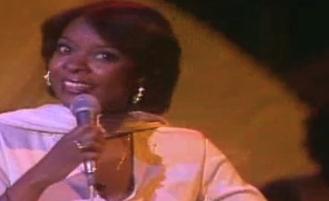
Thelma Houston, the Grammy Award-winning singer of the gay anthem Don’t Leave Me This Way, lived through the early days of the gay liberation movement. Yet while she provided part of the soundtrack for the movement, she never thought of herself as an activist.

“When I was doing it, it was just a good time,” Houston tells Xtra reporter Matt Thomas. “We were just having music and just doing what we did.”

Houston toured such gay clubs as The Saint and Paradise Garage. But then she started losing gay friends, and her song took on more importance in the fight against HIV/AIDS.

“I had lost several of my friends, and we didn’t know exactly what was going on, so it was kind of a scary period. But to have my song associated with that movement, especially in terms of making people more knowledgeable, particularly about the AIDS crisis, I’m proud.”

Below is a video interview with the legendary singer, who has more recently been featured in the documentary The Secret Disco Revolution and appeared on American Idol and America’s Got Talent. Houston continues to tour.

On occasion, the number of editors and other staff who contribute to a story gets a little unwieldy to give a byline to everyone. That’s when we use “Xtra Staff” in place of the usual contributor info. If you would like more information on who contributed to a particular story, please contact us here.

Read More About:
Video, Culture, Canada, Arts

Keep Reading

Girlguiding patches

Trans girls banned from U.K. Girl Guides following Supreme Court ruling

The U.K. Women’s Institute also announced it will ban trans women from membership

Why is everyone obsessed with this gay Canadian hockey TV show?

“Heated Rivalry” has been a breakout hit. What’s the special sauce that’s making everyone so excited?
Stills from Somebody Somewhere, Clean Slate, and Mid-Century Modern - shows with queer characters that were cancelled or ended.

Nearly half of all queer characters on TV will disappear next year

An uptick in series endings and cancellations is bad news for queer and trans representation
On the left, a black and white still from Flaming Creatures featuring a person sniffing a bouquet of flowers. On the right, an illustrated poster for the film.

‘Flaming Creatures’ and the censorship of queer art

Jack Smith’s 1963 film “Flaming Creatures” was deemed legally obscene by the U.S. Supreme Court