Dustin Hiles is a bit of a diva. He has cancelled our interview twice. When we finally do speak-in an unplanned respite between high school and one of his many engagements-he refuses to be recorded. “I’m not sure about that-I’m Equity.”
“I’ve recorded lots of performers before,” I argue. Who does this kid think he is?
“Deborah Voigt won’t do it, either,” he explains. And that settles that.
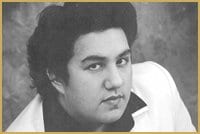
Hiles, at the tender age of 17, takes his singing career very seriously. And for good reason. In the two years since his professional debut (a principal role in Bruce Pullin’s Sing-Along Messiah at the Orpheum Theatre), the Mission-based wünderkind has performed in several operas and has more names to drop than most of us garner in a lifetime.
Just last August, while hanging out at the prestigious Banff Centre in Alberta (he had a part in the Banff Opera’s production of John Estacio’s Canadian opera Filumena) he found himself rubbing elbows with Jann Arden at a party. Being an opera singer himself, Hiles had no idea who she was: “People said ‘there’s this huge country star watching the opera’. And I’d never listened to her in my life.” But that didn’t stop Hiles from making friends. “I got her contact info; we keep in touch.”
Then there was the time he voice coached teen pop sensation Avril Lavigne. The megastar’s name slips off his lips like nothing. He slots that experience under the heading of “educating the young.”
Youth-a body of people that Hiles both does and does not fit into-are a primary interest of his. “This is a huge thing for me,” he says, because most people his age “haven’t even been to an opera, and aren’t who opera is marketed to.” In 20 years time, when the current opera-going set have passed away, Hiles warns that “there’s a generation that has grown up with Britney Spears, who have a real hatred for opera. I think that mentality is terrible.” The man’s looking out for himself, in part-he’s fostering his future audience.
But Hiles isn’t only interested in the politics of musical education either. As an out-and-proud bisexual man, he recently ran for a position at Youthquest-the opera career and high school (apparently) weren’t enough to keep him busy. The youth drop-in space has a special significance for Hiles, who found that it facilitated his own coming out.
“I started to go with my friends. It’s a safe environment for young people in high school-it compensates for not having safe environments elsewhere.” Hiles, who plays football on the school team in addition to his work in opera, has never felt unsafe himself, but says he knows many others, especially in the Abbotsford area (“the Bible belt” he calls it), who haven’t been so lucky.
Sexual politics reflect on his opera career in unexpected ways. “When I’m learning a character, I can relate,” says Hiles, “to the emotions of both the hero and the heroine. I can see it from a circular point of view.” That semi-omniscience gives Hiles access to an emotional intelligence beyond his personal experience.
It’s an emotional intelligence that Hiles feels can be extended to all queer folk. “I know that in my art form there is a huge gay and bi population. We’re the backbone of this industry. I think we’re more comfortable-to know yourself, to be in touch with what you feel.
“Being so young, people have told me ‘you can’t understand.’ I don’t agree with that. I’m young, but I’ve had experiences.” Those experiences don’t include a boyfriend, however. And love, which Hiles calls “the weakness of the human condition,” is something he appears to keep at bay for the meantime. “My dedication is to my art-I’m willing to give everything to it, so I can portray everything.”
His dedication to dramatic interpretation calls up the spectre of opera diva Maria Callas, whose art and lived experience would eventually collide when she became the real-life heroine of a tragic love triangle. “I adore her life,” says Hiles. “I try to model my career after her.”
In performance, Hiles does exude that Callas-esque involvement with the work. His eyes, below a mop of poet’s black hair, shake with passion; his hands reach out longingly.
Career-wise, those hands are reaching out for the famed Juilliard School in New York now. For a 17-year-old who has already taken masterclasses with heavyweights like Judith Forst and Siegfried Jerusalem, Juilliard only makes sense.
And after all, he already has that diva shtick down pat. He speaks about special teas for his throat and coughs a little. “I’m dying,” he mutters. Maria Callas would be proud.

 Why you can trust Xtra