What happens when we erase trans people and gender from CDC research?

ANALYSIS: The Trump administration’s directive to purge CDC research and data from mentions of gender will have broad impacts

Last week, news broke that U.S. president Donald Trump’s administration has ordered all references to diversity, equity and inclusion (DEI) and gender identity to be purged from federal research by any scientists affiliated with the Centers for Disease Control and Prevention. The move comes alongside similar directives to purge mentions of pronouns, gender identity and trans people from government websites at large.

While what’s happening in the U.S. right now may not seem as dramatic as book burnings from the past, this level of data wipe and censorship comes from the same place: eliminating public records of certain groups of people existing. 

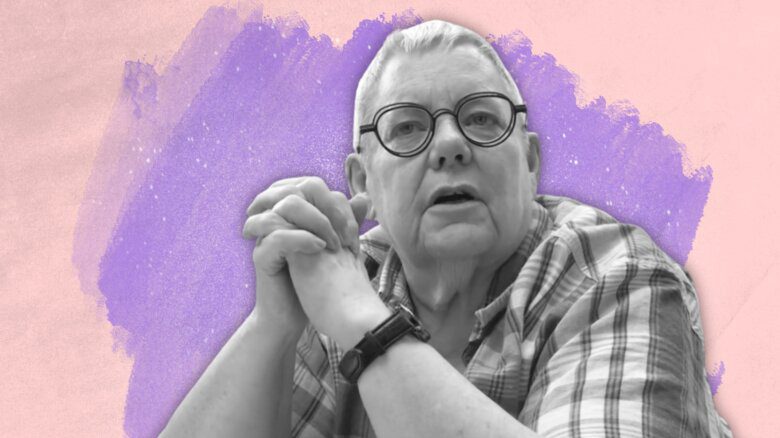
Senior editor Mel Woods breaks down why that level of censorship should concern us not just today but for the future of scientific research and health policy.


Senior editor Mel Woods is an English-speaking Vancouver-based writer, editor and audio producer and a former associate editor with HuffPost Canada. A proud prairie queer and ranch dressing expert, their work has also appeared in Vice, Slate, the Tyee, the CBC, the Globe and Mail and the Walrus.

Keep Reading

Advocates mount new challenge to Alberta anti-trans law

Skipping Stone and Egale Canada are headed back to court to try and overturn Alberta’s youth gender-affirming-care ban

Dylan Mulvaney’s Broadway debut is about more than the backlash

Mulvaney’s casting in “SIX: The Musical” is the latest example of Broadway platforming trans stars
A side by side of Radclyffe Hall and her lesbian novel The Well of Loneliness, with was subject to censorship and obscenity laws

Inside the censorship campaign against this 20th century lesbian novel

Radclyffe Hall’s “The Well of Loneliness” was the target of obscenity laws in 1928

Publishers are acquiring fewer queer books due to U.S. book bans: Report

LGBTQ2S+ authors say they are seeing increases in rejections from publishers and significant decreases in royalties