My first brush with a kind of violent, public strain of homophobia that has defined my summer was on a sweltering June day in Toronto. I boarded a streetcar at Bathurst Station before it hurtled southward to the island airport. In the final moments of what had been a hectic and stressful trip to the city, I was beyond ready to leave its chaos behind, and couldn’t wait to disembark from the car and unwind in the air-conditioned airport lounge.
It was hot and clogged in the streetcar, and I had to shimmy my luggage through a mass of people before finding a pocket of air to stand in at the centre of the vehicle. As I began to settle into what promised to be an uncomfortable ride down Bathurst, a man turned calmly toward me and asked, benignly, if he could ask me a question. “Sure,” I said. He cocked his head to the side and furrowed his brow, his face corkscrewed into something resembling genuine curiosity.
“Are you a faggot?”
A lifetime of humiliations flooded my brain. Despite my best efforts, I have never been able to suppress my falsetto voice, my sideways gait or my affinity for vibrant clothes. I have come to embrace, or at least tolerate, the way people leer, either with intrigue or contempt, at me when I saunter by. Since I moved out of my hometown, the leering seems to have subsided, washed away by a thousand other distractions. It at least has been contained, and I have not had to tolerate slurs or catcalls from strangers in years.
Until this summer, when all those illusions of tolerance and co-existence shattered.
The man’s question, though charged with hatred, was delivered with lackadaisical normalcy, as though he had asked for the time or the streetcar’s timetable. Stunned, I sneered and stuffed my AirPods into my ears and blasted my music, forcing my way through the heat and crowd and waddling farther into the streetcar. But the man was determined. His eyes locked on me, and his voice began to rise from his throat, and he began to scream across the streetcar at me, accosting me for not answering his question, slurs throttling out of him and through the crammed car and through my earbuds and into me, quick and sharp as arrows. I turned away and attempted to ignore him, as did everyone else in the car, as you’re supposed to when a stranger, possessed by anger, bellows on public transit. But their apathy felt personal, like an extension of the fury emanating from the man. My worst fear was realized: I was in this alone.
Another man, cloaked in a grey hoodie, approached me. I thought he might be offering assistance, or compassion. Instead he offered me a rectangular machine that he expected me to tap my transit card on. “Fare inspection,” he muttered. Apparently, the city had introduced plainclothes fare inspectors because their uniforms had begun scaring off people who dared to freely board the public transit they paid for with their tax money. I took out my earbuds and tapped my card; the homophobe was still yelping in the background. After they met their quota, the inspectors escorted him off the streetcar.
Every inch of the scene struck me as violent: the density of the car’s population and the slurs and the screaming and the cops posing as civilians and the forced removal of my assailant. What pierced me most was how tolerant everyone seemed to be of an unsettled man haranguing an innocent homosexual, and of the relief that glazed their faces when government forces removed the man from the premises. “Thank God he’s not yelling at me,” I could hear them thinking. “And thank God for those fare inspectors!”
I can’t remember the first time I noticed that the way I naturally move through life perturbs some of the people around me. Trying to remember that would be like straining to recall the first time I drew breath. But I remember a moment when it felt insurmountable and terrifying, and when I realized the full extent of the revulsion my appearance and mannerism could cause in others.
It was in the locker room after Grade 9 gym class, a cliché setting for masculine acts of hatred. Gym class was the only time of day where my female classmates, who were a buffer between me and the boys, were whisked away, leaving me alone with my male peers. My worst bully was a kid named Max, who was slightly less unpopular than me. His poor social status often inspired him to punch down on the only boy beneath him on the social ladder, which was me. Max was tall and lanky, with a patchy, awkward moustache and an eternal layer of grease soaked into his dark hair. He would post up at the locker beside mine and find something negative to say about me as I changed from my gym clothes into my Bon Jovi T-shirts and ill-fitting jeans. His attempts at bullying were pathetic, and in a way I was grateful for him because he took care of being cruel to me so the more popular and intelligent kids wouldn’t bother.
I used to go to the showers to change, to subtract as much shame as possible from the whole affair and to avoid comments about my sexuality or weight, but the other boys had picked up on my scheme and started following me into the lockers to make fun of me. I’d given up any hope of avoiding the scene and instead had resigned myself to enduring it.
After a long hour of humiliating myself on the dodgeball court (does dodgeball have a court?), I went to change my clothes as quickly and covertly as possible. Max had been on my team, and I had activated his temper by blowing the game. I tried to make myself small, but he shoved me and called me a “stupid faggot” before storming out.
I went to my burly gym teacher and begged him for help. I have a memory of degrading myself in his office, crying and pleading for support, for action, for justice. But he was a stupid, inarticulate man who blindly favoured his most athletic students. He said he could do nothing, and that is just what he did.
The bullying only intensified as the year went on. I would run home after school and hide under my blankets and cry for hours on end. My situation felt totally hopeless, and I had no evidence that my life would be any different than gym class. I would be lying if I said I didn’t tinker with the idea of having no life at all.
But then the year (and compulsory gym class) ended, and I found friends and discovered I had talents, actually, and came out of the closet without consequence. Life seems only to have gotten better since Grade 9, and the queerer my life has gotten, the happier I’ve been.
I heard Max was thrown out of his home after eloping with a man shortly after we graduated. I think of him often.
Earlier this month, I was enjoying an iced latte with my boyfriend and a couple of our friends on a lovely Boston afternoon. We were discussing what we should drink before going out that night, and our friend mentioned that there was a great wine shop down the street, and should we get a bottle of chardonnay?
“Oh, you want a little white wine?” my boyfriend asked, before standing up, turning around, and gyrating his hips. I stood up and joined him, and there we were, dancing and winding, when a haggard old piece of shit strolled by, sneered in our direction, and muttered the word of the summer: “Faggots.”
“Says the ugly motherfucker who can’t get any!” my boyfriend screamed, New England accent waterfalling out of his mouth. His friends piled on, and the foul creature skulking down the street averted our gaze, ignoring our catcalls. The momentary exuberance I felt, the singular kind I only get when my boyfriend is entertaining me, was punctured by the old creep.
Our friends blamed politics, arguing that the president had brought back bigotry and hatred. But I’m not convinced it ever went away. Perhaps North America’s rightward lean can be credited with emboldening some to be more outward with their bigotry, but the idea that all these people were suddenly inspired by a demagogue to be hateful is a bit naive to me. Truthfully, I don’t know why people seem more empowered than ever to hate me for who I am. What I do know is that I hadn’t felt that small in a decade.
It bothered me, but I shook it off, and before long we were sipping cold chardonnay and ripping apart the new Charli XCX album, as only faggots can.
The next day, we had a date in Portsmouth, New Hampshire, where we strolled along the seaside boardwalk and sipped New English draughts and shared overpriced cannolis. The homogeneity of Portsmouth was unlike anything I’d ever seen before. Hordes of straight white couples traced the same path as us, the women in flowy yet tasteful pastel dresses, the men in khaki shorts and crisp cyan button-ups. My boyfriend and I were both wearing colourful printed shirts, loud as hot sauce on a lobster roll. A number of kind women complimented our outfits that night, and it felt like our uniqueness was an asset, that we were special. It was a charmed evening until we walked back to the apartment we were staying at.
Dusk had fallen, and the summery breeze had given way to a crisp nighttime wind. As we strayed from the boardwalk, the crowds thinned, and suddenly we were walking alone with nobody around. We held hands as we walked, still marinating in the good feelings our date had produced.
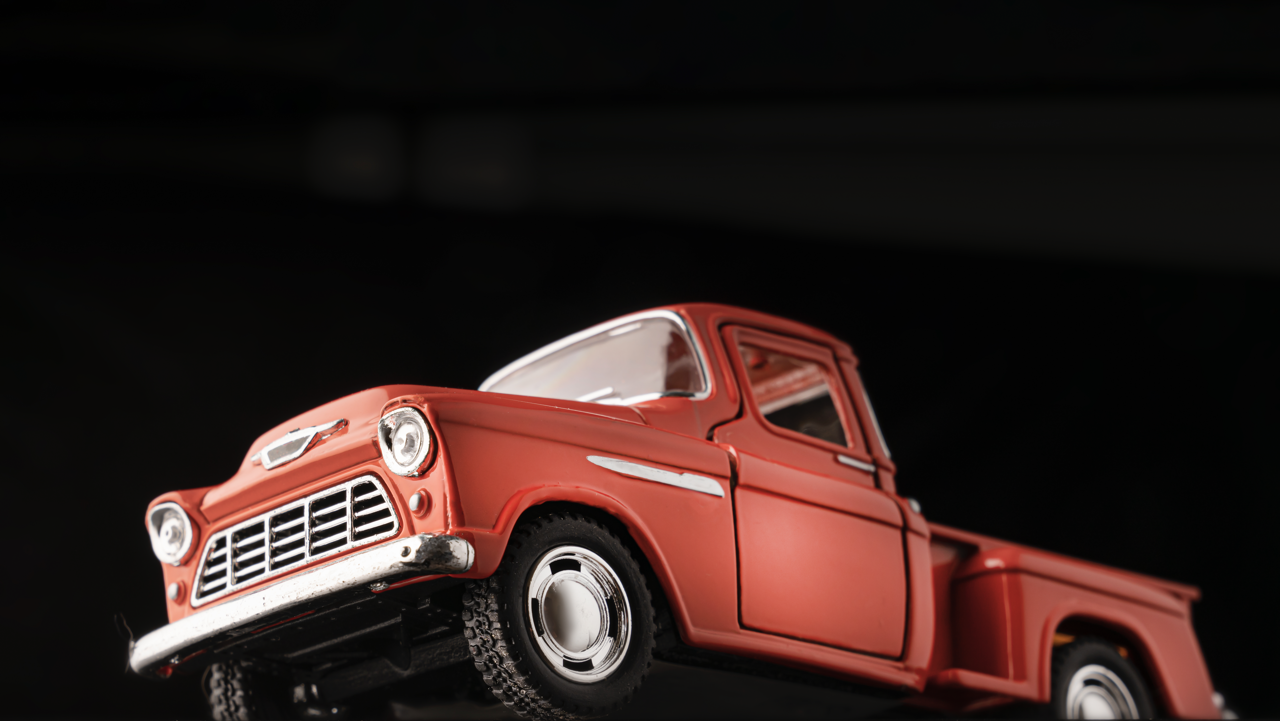
As we walked by an intersection, a loud noise burst through the air. The source made itself known; a cherry-red pickup truck full of young men blasting Eminem. They screamed out the lyrics, embodying the height of American masculinity. My boyfriend and I rolled our eyes at each other, and as we did one of the boys stuck his head out the passenger-side window and bellowed, at the top of his lungs, “FAGGOTS!”
The wind and the night instantly seemed colder, and fear trickled over me. Would they throw something at us? What if it hit me in the head? Worse, what if my boyfriend got hurt? All my childhood fears came alive all at once. “Fuck you!” my boyfriend bellowed back. The car drove away, and the moment passed, but the evening’s glimmer was gone.
We walked silently back to our apartment, our hands still intertwined. The usual buzz of laughter that follows us everywhere had dissipated. We got back to the apartment and held each other for a moment, holding space for the joy those homophobes had sucked away from us.
“I can’t believe he called us faggots,” I exhaled, walking over to the television to put on the latest episode of Canada’s Drag Race: All Stars.
“Well,” my boyfriend said, a mischievous smile creeping over his face. “Maybe they had a point.”

 Why you can trust Xtra