Toronto artist and party promoter Will Munro passed away today, after a two-year battle with brain cancer.
Munro was a huge force in Toronto’s queer cultural scene, well-known for his work behind the monthly Vazaleen parties from 2000 to 2007. (read more about the history of Vazaleen)
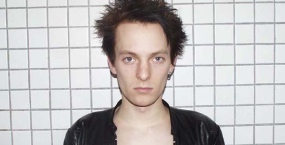
Munro recently spoke with queer zine No More Potlucks. Read an excerpt from that interview, in which Munro talks about cancer and sexuality:
“I mean, HIV is directly related to sex and so the links to sexuality
and gay identity are a bit more direct. Cancer is not a gay or straightAdvertisementdisease, but if you are gay and you have cancer, there’s a lot of weird
isolation because you don’t necessarily know a lot of other gay people
who have cancer. There’s all these ways that you feel isolated. To me,
a lot of it is about coping, and how people come together as a
community to cope. With HIV/AIDS, because its effects were so
pronounced on the gay community, people mobilized around it. They came
together and fought for each other’s lives.” (read more at No More Potlucks)
UPDATE: A gathering at Trinity Bellwoods has been planned for 8pm tonight (Friday, May 21) in celebration of Will Munro’s life. See the Facebook event page for details.
WATCH: A short doc about Will Munro:
Read more about Will Munro in Xtra’s archives:
- Will Munro at the Paul Petro gallery
- In conversation with Will Munro
- Vazaleen party gels for Halloween
- Will Munro’s war against conformity
 Why you can trust Xtra