Rob Salerno didn’t start his play Raw wanting to tell a specific story. Rather, the former Xtra staff writer’s script on the issue of HIV criminalization began as a series of questions.
“I was covering the issue a lot and started to feel really conflicted about it,” the U of T graduate says. “I understand logically the idea people should be responsible for their actions and that stigma and legal sanctions in the event of nondisclosure can make people less likely to get tested. But looking at the asymmetrical risk people are taking, I feel like there has to be some greater responsibility on the part of the poz person.”
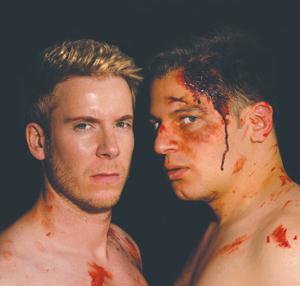
Salerno’s script follows Stephen (Salerno) and James (Jason R Stroud) as they sort through the fallout of a night of bareback bathhouse sex. When he fails to disclose, Stephen sends an anonymous letter advising James to get tested. After a furious internet search, James believes he’s found the guy who infected him and shows up on Stephen’s doorstep, ready for a fight.
“James is a relatively naive character and looking for someone to blame, so he latches on to the idea that it’s Stephen who infected him,” Salerno says. “He sees himself as a victim in the situation, even though it’s suggested this isn’t the only time he’s had unprotected sex.”
The show isn’t based on a specific case Salerno covered. Rather, it stems from a genuine concern about the rising trend of bareback sex. While members of the gay community were early leaders in adopting and promoting safer sex in the epidemic’s early days, condom fatigue is on the rise.
“When I was growing up you couldn’t watch a TV show aimed at teens without there being a PSA about condom use,” Salerno says. “Those days are gone now, which I think is partly the changing nature of the disease but may also relate to the justice system’s decision to enter this fight.”
So has the process answered any questions?
“I think I’m more conflicted than when I started writing it,” Salerno says. “As you go deeper, you end up with so many questions about where to draw the line. The one thing I’ve figured out is that relying on criminal sanctions to prevent HIV from spreading is not effective. Creating the assumption that anyone who doesn’t say they are positive is negative is dangerous and counterproductive.”

 Why you can trust Xtra