Alphabet City isn’t only a neighbourhood in New York. Alphabet City (AbC) is also the name of a magazine and self-described “interdisciplinary think tank devoted to advancing knowledge and public debate on fundamental concepts,” spearheaded by Toronto-based editor John Knechtel.
Alphabet City Number 10, simply titled Suspect, marks several changes in Knechtel’s project. It marks a brand new hardcover format and AbC’s launch in November as a festival and symposium. So calling Suspect a magazine is akin to saying Canadian winters are chilly. It gives you a hint what to expect, but it’s also a gross understatement. Suspect is an impressive anthology featuring work from more than 20 artists and intellectuals.
The central question of Suspect is, according to Knechtel, “What is the condition of the suspect today?” Does the current state of society accurately target criminals, or does it “generate suspicion indiscriminately?” There are no easy answers.
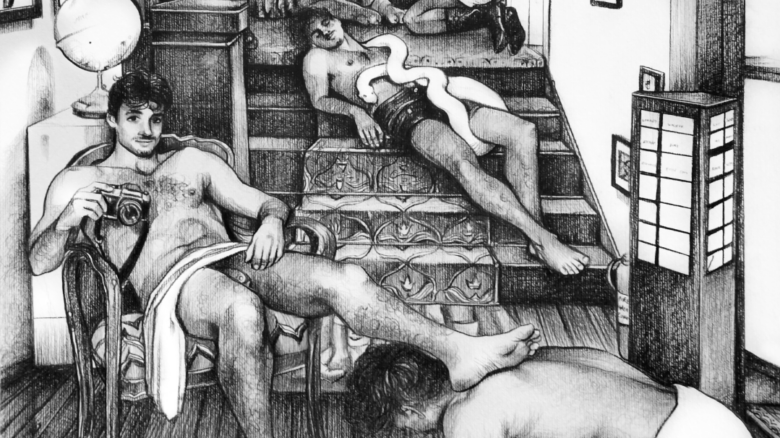
If the idea of browsing through an anthology “on the mechanisms and machinations of suspicion” seems dry and inapplicable to your life maybe you just need to look at it another way: Suspect is at once an essay, a memoir, a choose-your-own adventure, a graphic novel, a visual art project, a play and a work of fiction. Content aside, with its compact format and attractive design, Suspect is a gorgeous object. Just owning a copy will make you look smart.
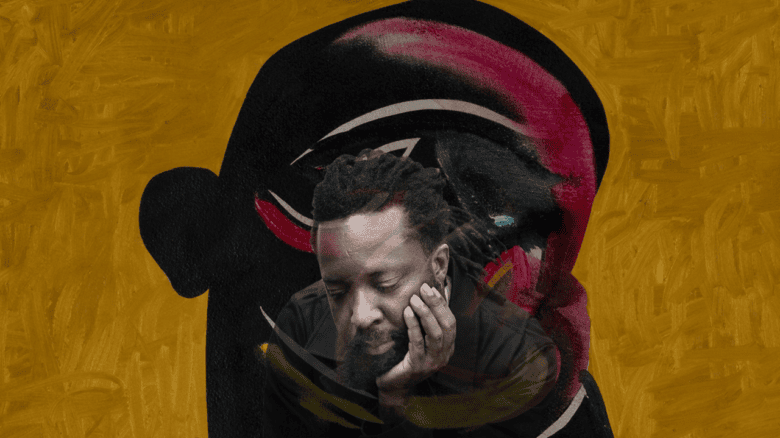
Among the suspicious contributors are philosopher, University of Toronto prof and cultural critic Mark Kingwell and filmmaker Patricia Rozema. Kingwell’s essay “Who Is The Suspect?” is a complex tango of words discussing the structure and roots of suspicion. It is also an examination of narrative, in this case the detective story, as a form of organized suspicion. It’s a dense piece, to say the least, drawing on the history of film and literature to demonstrate the complexities of suspicion.
Kingwell’s essay ends with a story about a burglar entering a house only to be chased and captured by its occupant, who then does not know what to do with the burglar and lets him go. This story acts as a starting point for Rozema’s Suspect, an in-progress short film which premiered at the Drake Hotel at the AbC fest. Technical difficulties were in abundance at the premier making any kind of assessment difficult. Keep an eye out for the completed film, which will undoubtedly have a life of its own.
Rozema, best known for directing Mansfield Park (based on the Jane Austen novel) and When Night Is Falling, also has a photo essay in Suspect. Rozema’s Suspect is a moody vignette comprised of still photos and overlaid text. The work does not give the viewer all the answers, but reading Kingwell’s story beforehand fills in possible gaps.
Much like any thorough examination of ideology, Alphabet City Suspect doesn’t seem to espouse any definitive conclusions. It is as though Knechtel is suggesting there is no easy way to understand the ramifications and rationale of suspicion. Rather than seeing this as a possible shortcoming Knechtel should be applauded for producing a thorough, focussed and diverse look at a substantial concept.
 Why you can trust Xtra