In most professional dance institutions, you have to pick either a male or a female role: the men go over here and practise “male movements” and the women go over there and do the “women movements.” Genderqueer and transgender people aren’t even considered, and having to choose either a male or female role can be a difficult and alienating experience.
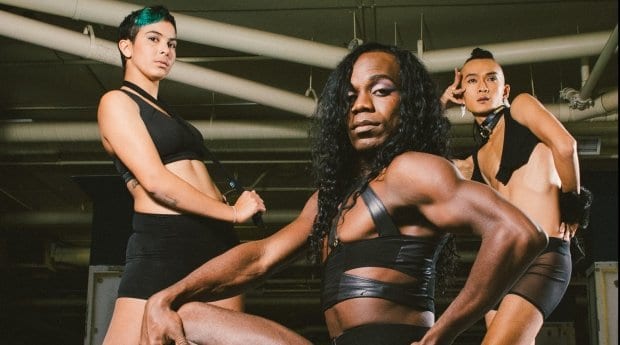
Sze-Yang Ade-Lam and Jelani Ade-Lam are two of the three members of Ill Nana/DiverCity Dance Company. Ill Nana aims to make dance more affirming for queer people — something that takes different gender identities and body types into account and makes dance a vehicle for queer people to tell their oft-ignored stories.
“I think when people think of LGBTQ and dance, they think of a gay white man with muscles doing ballet or contemporary,” Sze-Yang says. “But I think our communities are a lot more diverse than that, and the art form of dance is not usually inclusive of the larger spectrum of what our community it, including transgender and genderqueer people and people with different body types.”
Ill Nana holds recurring classes at the 519 Church Street Community Centre, where they teach such dance styles as contemporary, ballet, modern, jazz and different types of street dance.
In line with their mandate, and as an extension of those classes, in 2013 they organized the first Making a Stage for Our Stories conference. “[It’s like the classes] but on a bigger scale and including more folks and providing the opportunity to connect with more LGBTQ-affirming teachers apart from [Ill Nana] — and who teach things that we don’t teach,” Jelani says. “So we had belly-dance classes, yoga classes, Afro-Latino classes; it was really awesome, and people got to change the idea of what is dance.”
After the success of the 2013 conference, Ill Nana is organizing a second conference. This week-long event comprises workshops, classes and discussions — including one entitled I’m Not a Dancer But I Dance, about who can identify as a dancer — and culminates in a dance showcase.
Ill Nana was able to put on the 2013 conference because of funds they received when they won the Spirit of Will Munro Award. This year’s conference is made possible primarily through donations.
Making a Stage for Our Stories runs Mon, Aug 11–Sat, Aug 16. For more info, visit illnanadcdc.com.

 Why you can trust Xtra