Many queer people steer clear of the Scotiabank Caribbean Carnival (formerly known as Caribana) because they feel it’s unwelcoming at best and dangerous at worst. Many queer people of colour feel marginalized from Toronto’s queer communities because of persisting racism. One Toronto man wants to solve both problems.
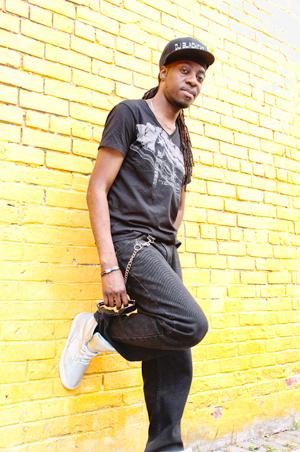
DJ Blackcat has been spinning music in Toronto for 20 years. He has organized queer Caribana party weekends since the launch of Toronto Splash — now the Urban Jungle Weekend — in 2007. And although his events are popular, they haven’t effected much change in the mainstream.
“For me, Caribana has stayed the same,” he says. “I still won’t go down and hold my boyfriend’s hand and proclaim my gaydom.” He’s out about his sexuality, he adds, but says “violence can happen to you… directly” at mainstream Caribana events.
Stephen Weisz, a spokesperson for the Scotiabank Caribbean Carnival, says discrimination is not an issue at the events.
“If someone enjoyed taking part in Pride they will equally enjoy taking part in Caribana,” he says. “Since the 21st century.… we haven’t had any incidents at all, racial problems, certainly involving gaybashing.”
But Sammy Rawal, a member of the multicultural hip-hop DJ collective Yes Yes Y’all, says homophobia at Caribana is often more insidious than what can be identified in police reports. “When you hear Buju Banton, for example, being played really loud, it can get kind of tense,” he says. “You’re reminded that people around you might not really have or share the same views as you.”
Still, that hasn’t stopped Rawal from going to the Caribana parade in the past. “Go with an open mind,” he suggests. “Most people are out there to have fun.”
Blackcat says he’s not sure Caribana is ready for an all-queer Mas Band or float. “I know West Indian culture… it’s still very taboo,” he says. But he’s open to supporting other members of the West Indian community who want to have an out band. “If you feel that you have the strength to do that, then you should,” he says. “It’s that type of person we need to break down these walls.”
For Blackcat’s part, he envisions more than just a few gay Caribana parties. He wants the queer communities to take the lead and embrace a queer Caribbean cultural festival as the second major event of the summer after Pride.
He’d like to see Church St close for the festival, creating a queer-positive space for the West Indian community to share their culture. It would be an important gesture from a queer community that isn’t as respectful of the diverse peoples who are part of it as it should be, he says.
“In the years that I’ve been doing this, I’ve had clubs tell me that ‘we’re not playing reggae here because we don’t want the black people here,’” he says.
Rawal agrees. “I do feel that there is a lack of visible minorities on Church St. Toronto has such a diverse population.”
He says a Church St version of Caribana “would allow more people to really come out… without having that fear in the back of their minds that they could be discriminated against.”
Blackcat says he’s going to keep working toward a West Indian Church St festival in the years to come. “Is it a dream of mine? Yes,” he says. “We as gay people love to party — I don’t see why it can’t be done.”

 Why you can trust Xtra