Anderson Cooper’s most candid interview

You don’t censor yourself on The Howard Stern Show, and Anderson Cooper didn’t hold back. He opened up on everything from when he first knew he was gay and the criticism he received for staying in the closet, his career, Botox and his brother’s suicide.

“It’s interesting. The week after he killed himself, I went to his apartment and I was taking a cab back to my apartment,” he says. “Because I hadn’t left, there were reporters outside waiting to get pictures. And someone on the radio said [how could someone rich kill themselves] and it was so odd. I don’t understand how someone could see it that way. It still shapes my life. It’s not the first thing that I think about when I wake up, but there isn’t a day that goes by. That’s the thing about suicide, it suddenly injects this language and vocabulary into your life that’s always there. It’s why if your parent commits suicide, it’s more likely that you will kill yourself. It injects that into your life.”

As Gloria Vanderbilt’s son, Cooper grew up surrounded by her famous friends, including Truman Capote, who he admitted to not liking because his “toenails were disgusting.”

Listen to the full interview:

Keep Reading

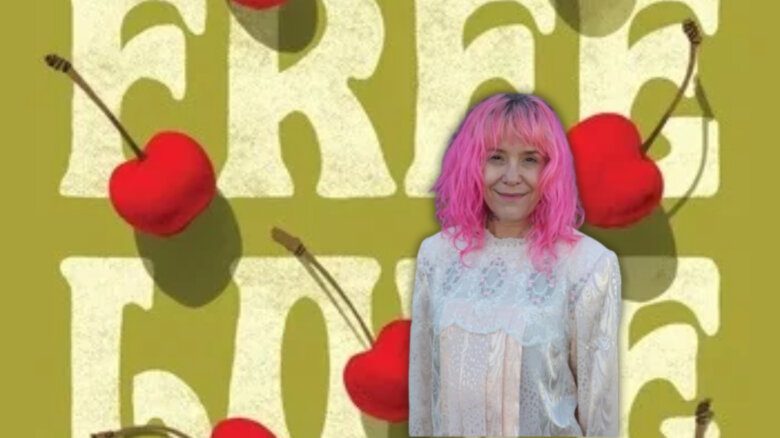
A green background with large letters that say "Free Love" and cherries. In the foreground, a person in white clothes with shoulder-length pink hair and bangs (this is author Michelle Tea).

Michelle Tea will not be toning it down

The “Free Love” author on opening up her marriage, there being no such thing as being grown up and why you should never cast a love spell
ABC’s “Dancing with the Stars" stars Sarah Jane Nader and Hailey Bills.

‘Dancing with the Stars’ doesn’t know what to do with gay people

Despite starting to include queer couples, the celebrity dance show is surprisingly straight. The rules of the game are to blame
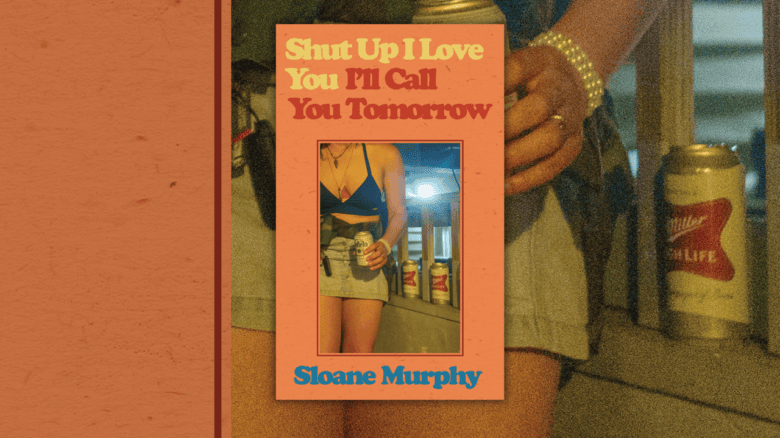
The cover of Shut Up, I Love You, I'll Call You Tomorrow

These short stories show the power—and price—of trans community

Sloane Murphy’s “Shut Up, I Love You, I’ll Call You Tomorrow” depicts a trans Chicago brimming with pathos, humour and pain
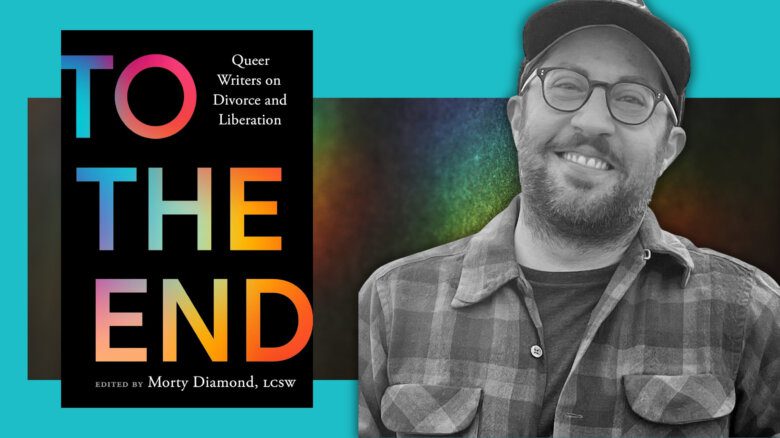
Cover of the book "To the End" next to a black-and-white headshot of Morty Diamond, against a rainbow-hued image and a turquoise background

Morty Diamond gets real about queer marriage—and divorce

The therapist tackles the culture of silence around queer breakups in his new anthology “To the End”
Advertisement