Will Munro and Robert Flack never met. The Toronto queer artists died 17 years apart, Flack in 1993 from an AIDS-related illness and Munro in 2010 from brain cancer. But the pair maintained a sort of unintentional conversation decades apart through their work. Flack’s photographs and Munro’s diverse body of installations, collages and silkscreens both held up the ideal of a life led without shame.
Gallerist Paul Petro knew both artists from the earliest stages in their careers. He and Flack met around 1983 when both were part of the nascent Queen West art scene. Years later, he connected with Munro during his early days as a club promoter (when Vazaleen was still spelled Vaseline and held downstairs at the El Mocambo). As part of Contact, Petro will present bodies of work by the two artists side by side: Flack’s 1990 series Empowerment and Munro’s rarely seen 2004 series untitled photographs.
“We get to see how the interplay of their work teases out more of their perspectives and visions,” Petro says. “It’s an inspiring opportunity for audiences and one that I know the artists would have enjoyed.”
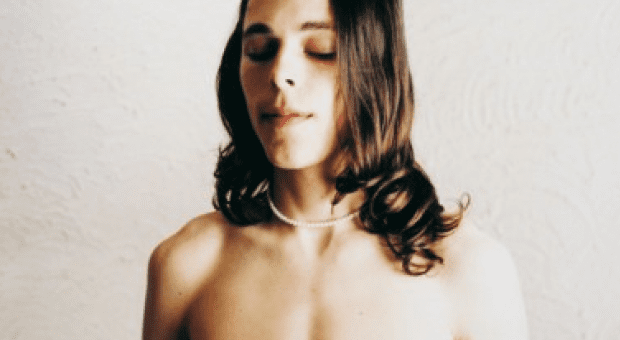
Produced well after he’d begun to show symptoms of the disease that would eventually claim his life, Empowerment hints at Flack’s sudden realization of his own mortality. Comprising eight close-up photographs of different parts of the body with symbols of each of the seven chakras superimposed over them, the images produce a sort of corporeal-spiritual map. Munro’s series offers a twist on his ongoing fascination with salvaged and reconstructed underwear. Rather than being tie-dyed or constructed from a vintage heavy metal T-shirt, the series features an androgynous model in a pair of white briefs that have been delicately beaded like a constellation.
“Both Robert and Will have left profound legacies for us to continue learning from,” Petro says. “The lasting power in Robert’s work really comes through in the shows we are getting to see 20 years later. Will’s work opened up doors to the future as well as the past, and I think we can look forward to more critical appreciation and understanding of the impact and meaning of his work down the road.”
Standing Ground runs Fri, May 2–Sat, May 31 at Paul Petro Contemporary Art, 980 Queen St W
Wed–Sat, 11–5pm
paulpetro.com
Contact Photography Festival takes place throughout May at various venues across Toronto
scotiabankcontactphoto.com
 Why you can trust Xtra