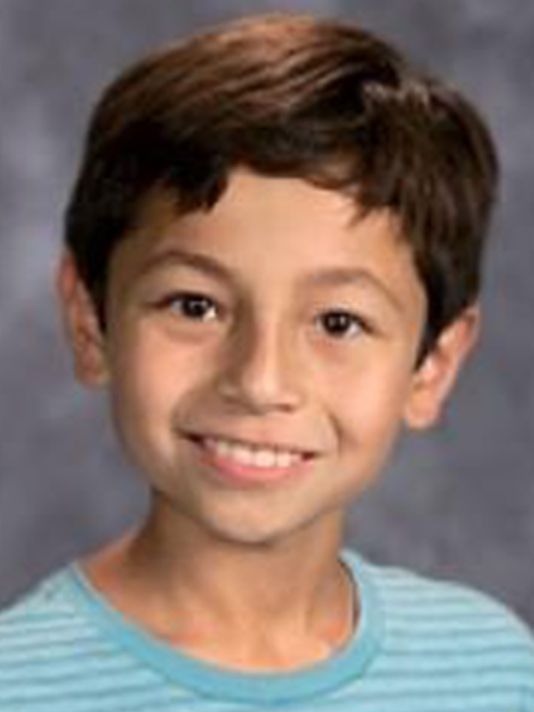
A 12-year-old boy named Ronin Shimizu from Folsom, California, killed himself after facing bullying for being the only boy on his school’s cheerleading squad.
The bullying got so bad that Shimizu’s parents decided to remove him from Folsom Middle School and began home-schooling him. In a statement about his death, his parents remember their son as someone special:
“Ronin was a child who was not afraid to follow his heart, and we as his parents did everything in our power to allow him to pursue his passions, while protecting him from the minority that could not understand the specialness he possessed,” an excerpt of the statement reads. “As you already know, Ronin loved to do Cheer, but he also loved art, fashion, being a Scout and most recently crew/rowing. It is true that because of his specialness, Ronin was a target of bullying by individuals that could not understand or accept his uniqueness. Ronin was not just a target of bullying because of his participation in cheer, but for him just being Ronin.”
I recently gave an interview about my YA novel When Everything Feels like the Movies, which deals with some extreme bullying, and I was asked if it’s still as bad for gay kids as I depict in my book. “Hasn’t it gotten better?” the interviewer asked. I explained to him that I’ve been writing a gay blog for more than three years and can’t keep track of all the gay kids I’ve eulogized! It’ll be better when I never have to write another post through tears.
RIP, Ronin!
 Why you can trust Xtra