As we at Xtra practise social distancing during this uncertain time, we’ll bring you field notes on our favourite pandemic pastimes, from books and movies to games and music.
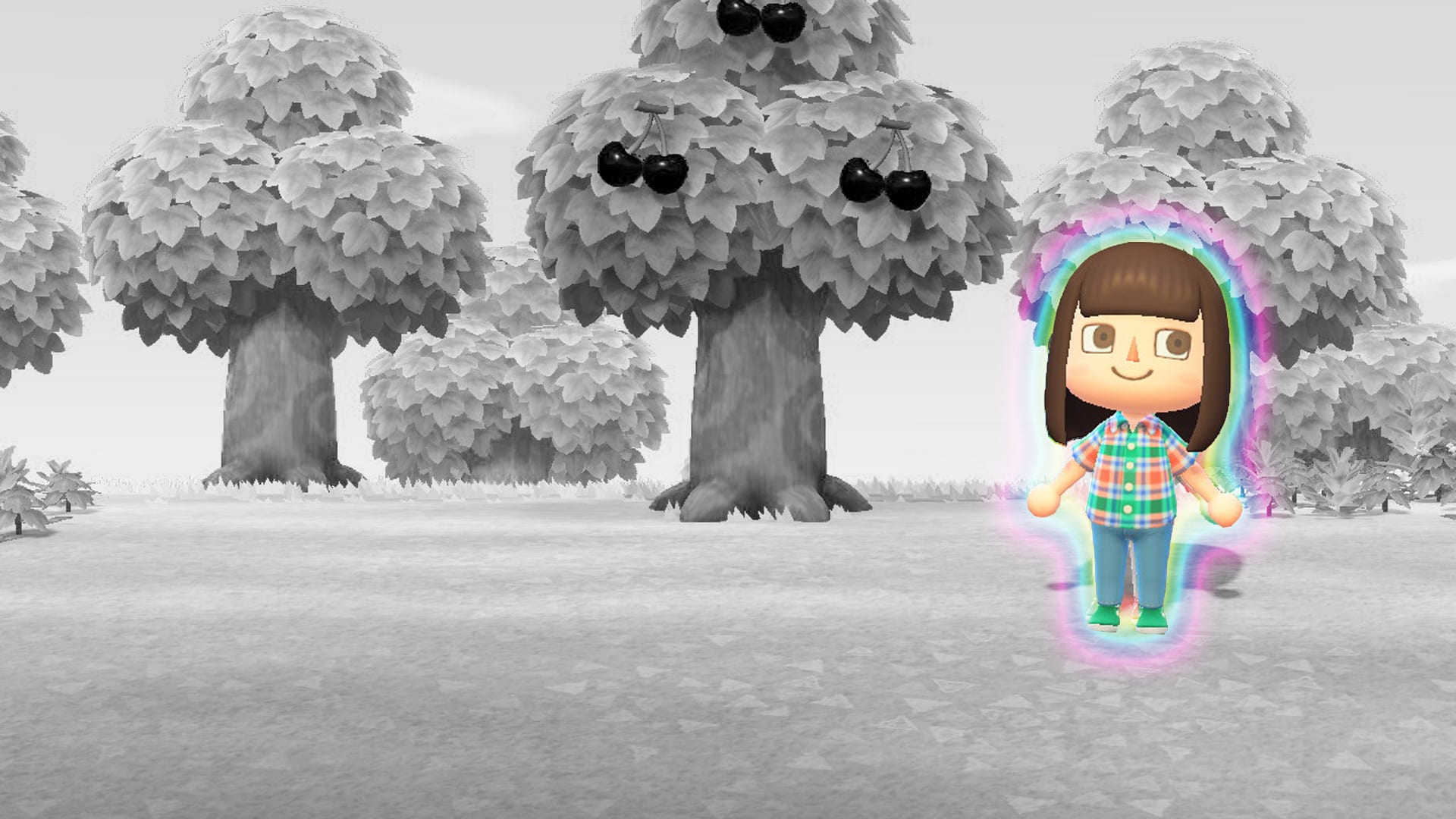
I booted up my Nintendo Switch and breathed a sigh of relief the morning of Mar. 20: I could finally play Animal Crossing: New Horizons. Before the sunlight began pouring into my Toronto apartment, I transported myself to a world where I wasn’t trapped within four walls: I flew to an island where cherries grow in abundance on the trees and the beaches become runways to a crisp blue ocean. On my first night, I celebrated with four-legged friends by a bonfire—no social distancing required.
The timing of New Horizons’ release couldn’t have been better planned if Nintendo tried. The game—a long-awaited instalment of the Japanese franchise for the Switch, the latest since 2012—is all about social simulation through the most optimistic of perspectives. Your character is the only human among a sea of anthropomorphic animal villagers, and in New Horizons, you all live in harmony on your own island. You decorate your home, you fish, run errands, play games. You live a simple life. Your biggest concern? Not a global pandemic, but rather paying off your debts to capitalist raccoon shopkeeper Tom Nook.
There’s no better distraction from the uncertainty of COVID-19 than the unreality of New Horizons, a world where illnesses are non-existent and your animal best friends send you gifts just because (and no one hoards toilet paper). Your every hour is punctuated by a feel-good soundtrack. Even when it rains, there’s an upside—you might be able to catch a rare fish down by the river.
And for us queer and trans people—who are among the most vulnerable and isolated right now—New Horizons feels similarly homey. Forget your real-world obstacles around recognition and bureaucracy: Your character does not have a sex. All outfits are gender-neutral. Hell, even your passport touts your island’s fruit in place of a gender marker. Your island is an LGBTQ utopia—and maybe you’ll even name it after the best lesbian hangout on TV.
But perhaps what’s queerest about Animal Crossing is its emphasis on community—this idea that civility and goodness can only come about in a place where we lift one another up. The concept for the game was inspired by Nintendo developer Katsuya Eguchi’s experiences living on his own at 21 in Kyoto, away from his family for the first time. Animal Crossing, according to Eguchi, is intended to emulate that feeling of finding community and home in a new place. For queer and trans folks, the concept elicits that sense of chosen family that is so central to our survival and existence. In New Horizons, your island is nothing without its villagers.
“For many queer and trans folks, this kind of unencumbered goodness is a motivator—that not all is terrible in this world, that we might not just survive but thrive”
And with that community, there are goals worth accomplishing—collecting fruits, building a collection of island-native insects, upgrading your home. But slow down, and there are no repercussions. Forget to play for a few weeks and cockroaches might show up in your home and weeds might sprout, but they’re easily taken care of, squashed and plucked from the ground.
For many queer and trans folks, this kind of unencumbered goodness is a motivator—that not all is terrible in this world, that we might not just survive but thrive. New Horizons wraps that warm, comfy feeling up in a pretty package, an easy virtual getaway for when the real world feels too heavy to bear. And while I, like most of us, begin to spend my days alone—cooped up for the foreseeable futures in our homes—until this moment in our collective histories passes, it feels nice to forget about the pain and stress for a bit.

 Why you can trust Xtra