Hollywood starlets of the 1960s and ’70s were not always consistently successful, and when the work dried up, they needed to find a way to pay their bills. “Hag horror” films became an easy means to make some money while waiting for the next big role. The equivalent to contemporary teen slasher films like Scream and I Know What You Did Last Summer, the sub-genre, even back then, has always been adored by gays.
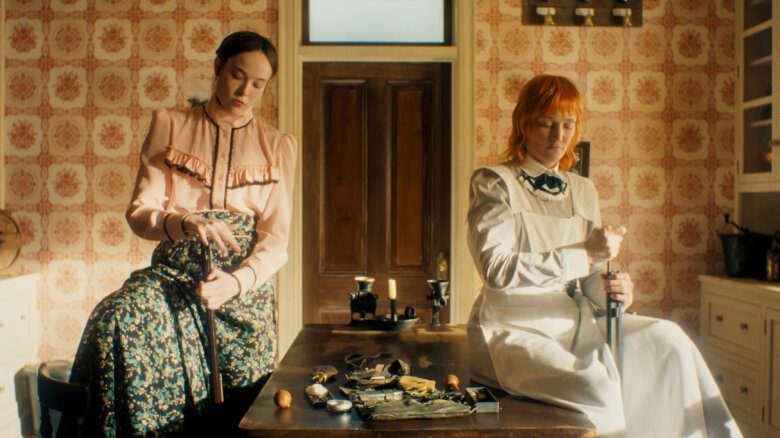
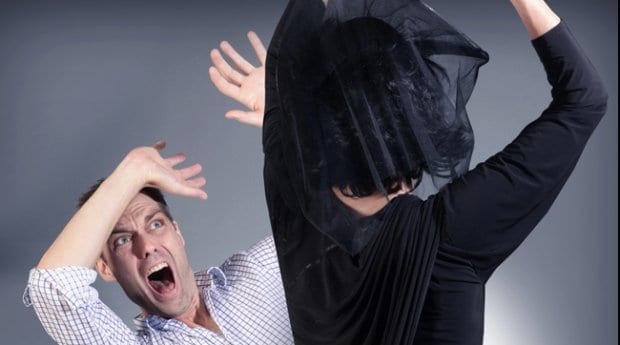
It was Bette Davis and Joan Crawford who dominated these kitschy thrillers (most notably playing rivals living together in a frightening mansion in 1962’s Whatever Happened To Baby Jane?), and even though those golden years of creepy hag horrors are gone, they have not been forgotten. Playwright David Benjamin Tomlinson attemps to revive the period with Gash!, a new play based on these films that mixes creepiness, horror, hilarity and, yes, even some blood.
Gash!’s hags are a pair of tormented sisters who live in a rundown estate, in true Baby Jane style. Tomlinson, who has been working on the play since 2008, has held many research movie nights and discussions on how to bring the hag-horror genre to life onstage. He notes that it’s a genre many people are not familiar with and that this specific take on it is not just about embellishment.
“The women in these films weren’t doing it for laughs; they were doing it for the work,” Tomlinson says. “They wanted to work, and these films were all they could get. Their choices are big, bold and sure . . . it’s hugely entertaining to watch now, but I have a reverence for it, for how seriously they take it.”
What is it about hag horror that appeals to Tomlinson? Having always been surrounded by strong women and truly appreciating them, he says there’s something about the heightened nature of the women in hag horror films that he finds inspiring and delightful.
“These are not women being powerful by acting like men; they are women being women. They’re intelligent, emotional, dramatic and feminine,” he says. “Female roles are played by both female and male actors, giving both genders a chance to explore the heightened female psyche. The women of hag horror had a huge impact on drag, which then had a huge impact on the way these women are written now.”
As a genre, hag horror never really disappeared; it just shifted slightly. Tomlinson points to the 1980s, when Linda Evans and Joan Collins duked it out as Krystle and Alexis in Dynasty. Or Jessica Lange, who lights up the screen in American Horror Story today, which is a real return to form.
“Sadly, the politics haven’t changed much. The horrors of aging are still projected onto these women: mental illness, disfigurement, the ravages,” Tomlinson says. “But they still pack a wallop.”
Gash! opens Thurs, Aug 7, and runs until Fri, Aug 15 at Theatre Passe Muraille Mainspace, 16 Ryerson Ave. summerworks.ca/2014/portfolio/gash
 Why you can trust Xtra