On Oct. 30, BioWare, the developer behind beloved video game series Dragon Age and Mass Effect, closed its doors for good. The company’s owner, EA Games, announced the closure and subsequent layoffs on Oct. 21, initiating debate about what led to this point and a period of mourning. For LGBTQ2S+ fans, BioWare’s closure is a major blow.
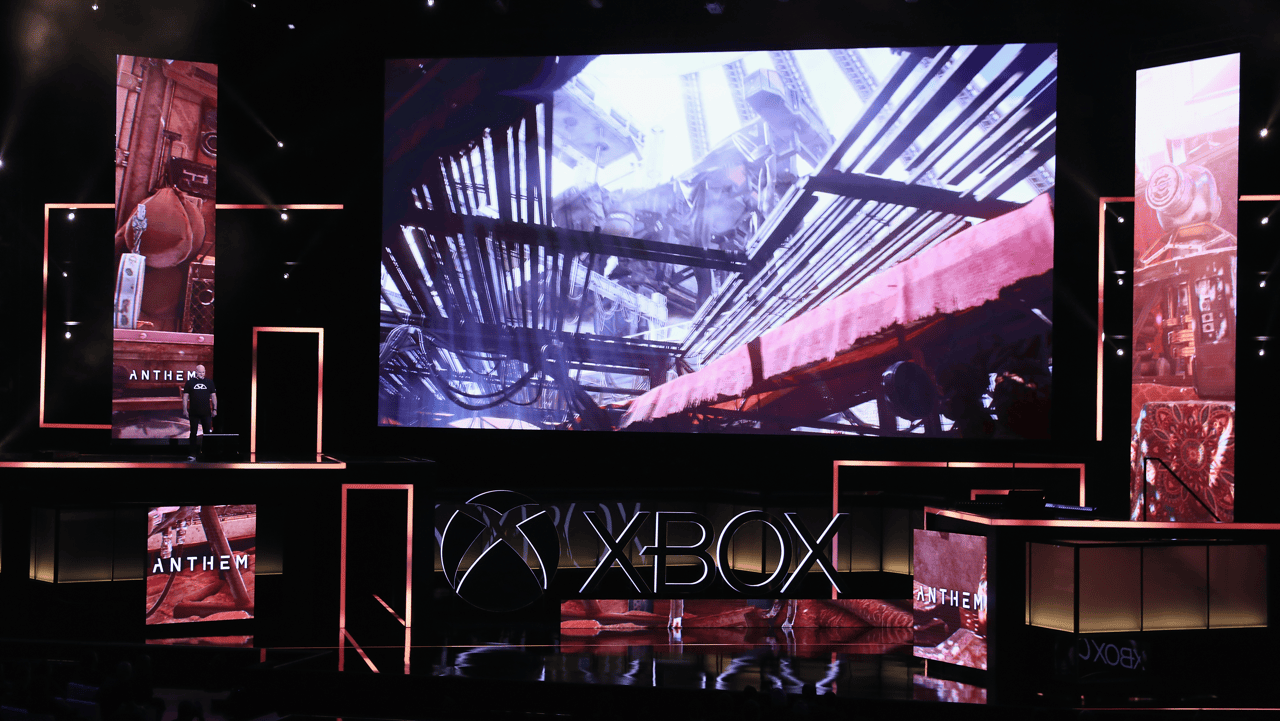
The closure didn’t come without warning. BioWare has struggled to match its success with the first three Mass Effect and Dragon Age games since Inquisition came out to major praise and multiple awards in 2014. Over the last decade, its three biggest releases—Mass Effect: Andromeda, Anthem and Dragon Age: The Veilguard—all failed to meet expectations. Anthem, a live-service game, was its most egregious failure: It reviewed poorly, sold just five million lifetime copies, and was shut down after two years. Andromeda was panned for its uneven writing and game-breaking bugs. Veilguard split the fandom and only reached half of its expected player count. However, the 2020 announcement of a fifth Mass Effect game had plenty of fans feeling hopeful about the future. Now, ME5 will never see the light of day.
BioWare’s lacklustre performance this past decade may not be the only reason for its closure. EA Games officially went private in August, selling for $55 billion to investors including Saudi Arabia’s Public Investment Fund, Jared Kushner’s Affinity Partners and private equity firm Silver Lake. Since the sale was announced last year, this has created speculation that the developer’s queer-forward storytelling would put it on the chopping block under the values of EA’s new owners. Some see BioWare’s shuttering just two months after the sale as confirmation of their fears.
Since the closure announcement, fans have flocked to social media to share their BioWare memories. Queer and trans fans have talked about how the studio’s spearheading of LGBTQ2S+ storylines in the early aughts made it possible for them to see themselves represented in media for the first time, or to explore their identities in a safe way. They’ve shared the joy of being flirted with by same-sex NPCs, being invited to a threesome with Zevran and Isabela if they played their cards right in Dragon Age 2 and falling in love with Liara T’Soni aboard the SSV Normandy SR-1 in Mass Effect.
“When I was growing up as a teen in the ’90s and 2000s, what we had in gaming and media was almost nil for queer representation,” says Emily Schooley, an actor and filmmaker whose introduction to BioWare was playing Dragon Age: Origins around its release in November 2009. “I remember gathering a small gaggle of other queer girls I had met [online] in my garage to watch Boys Don’t Cry, Better Than Chocolate, But I’m a Cheerleader and Lost and Delirious, which were the only Sapphic films we could find. Then to see queerness normalized in a huge game like Dragon Age was amazing.”
Schooley calls herself “loud and mouthy” about what the baseline for queer and trans representation in pop culture should be, and says we’re far from it and straying further every day. Twenty years ago, she says BioWare offered “the first video game I had ever played where I could romance another woman,” referring to Leliana in Dragon Age: Origins. And in Dragon Age: The Veilguard, which was released in 2024, “Taash was expressly non-binary, and that kind of representation is life-saving,” she says. “I want to see more of it.”
Artist Chelbizzaro, who goes by their online moniker, tells me they played the original Mass Effect in 2007 and then Dragon Age: Origins while going through a breakup in December 2009, BioWare initially appealed to them because of the romance options.
While Chelbizzaro enjoyed their Mass Effect playthrough, Dragon Age: Origins was what turned them into a dedicated BioWare fan. “It changed me at a foundational level and showed me how immersive fantasy can be, not just for white, brown-haired, grey-eyed male protagonists, but for everyone. I’m a big person and I’ve always been big, and even though female dwarves are not big physically, they have a thicker body type in Dragon Age,” they say. “I could play a bigger femme and still be desired or appreciated and not demeaned.”
Chelbizzaro and Schooley say they each maintain accounts on Archive of Our Own, a website that hosts non-commercial fan fiction and art, where they’ve archived their own fanworks as well as favourites from other creators across the years. They say their BioWare fandom isn’t going anywhere, even if the company is no more, and the friends they’ve made through their shared love of Dragon Age and Mass Effect may not always be in their inner circle, but they’ll still be important.
Because the two series additionally span graphic and prose novels from BioWare in partnership with various publishers, there are tons of characters and stories to discuss, with queer and trans representation present across mediums. One of Chelbizzaro’s favourite Dragon Age characters is the Tevinter Magister Maevaris Tilani, a trans woman who debuted in the 2012 Dark Horse comics series Those Who Speak and later made her onscreen debut in Veilguard. She’s the first trans character in the series.
As for participating in the period of collective fandom mourning following the news of BioWare’s shuttering, Chelbizarro says, “The heartbreak is something I can totally commiserate with because BioWare has had such a massive impact on who I am.”
Schooley agrees, and emphasizes the importance of supporting queer and trans art from LGBTQ2S+ creators who aren’t beholden to massive private equity funds that may ask artists to compromise their values or vision in order to be palatable to the masses. “When you look at what BioWare came from, it was so nerdy, making media for fans, by fans. But how do you do that and pay your bills?” she says. “We need to mourn together and then we need to build together.”

 Why you can trust Xtra