We’re living at a time where it’s easier than ever to contact one another—but somehow, we’ve never been lonelier. From the endless discourses around the “male loneliness epidemic” to TikTok’s “loneliness influencers,” it’s clear that disconnection is a major part of the world we live in, and whether we’re romanticizing it or condemning it, on some level we’re all searching for a way out.
But if everyone’s looking for connection, why is it still so hard to make and keep friends as an adult? That’s the central question of Lee Arden’s book The Politics of Lonely: Why Is Friendship So Hard?, which delves into the question of how we got here—spoiler alert: it’s capitalism and colonialism—and what it will take for us to build a less lonely world for everyone.
Born from their various zines exploring the topic of friendship, including PALS: The Radical Possibilities of Friendship, The Politics of Lonely moves through the topic by exploring how we define friendship in our culture, asking what makes friendship so hard in our current cultural moment, and then exploring how we can change our conceptions of relationships to help us survive the intersecting global crises that define our modern era. Citing queer histories, radical theory and personal anecdotes, Arden reveals the structural causes of our loneliness crisis, and theorizes how we can fight back, in ways both big and small.
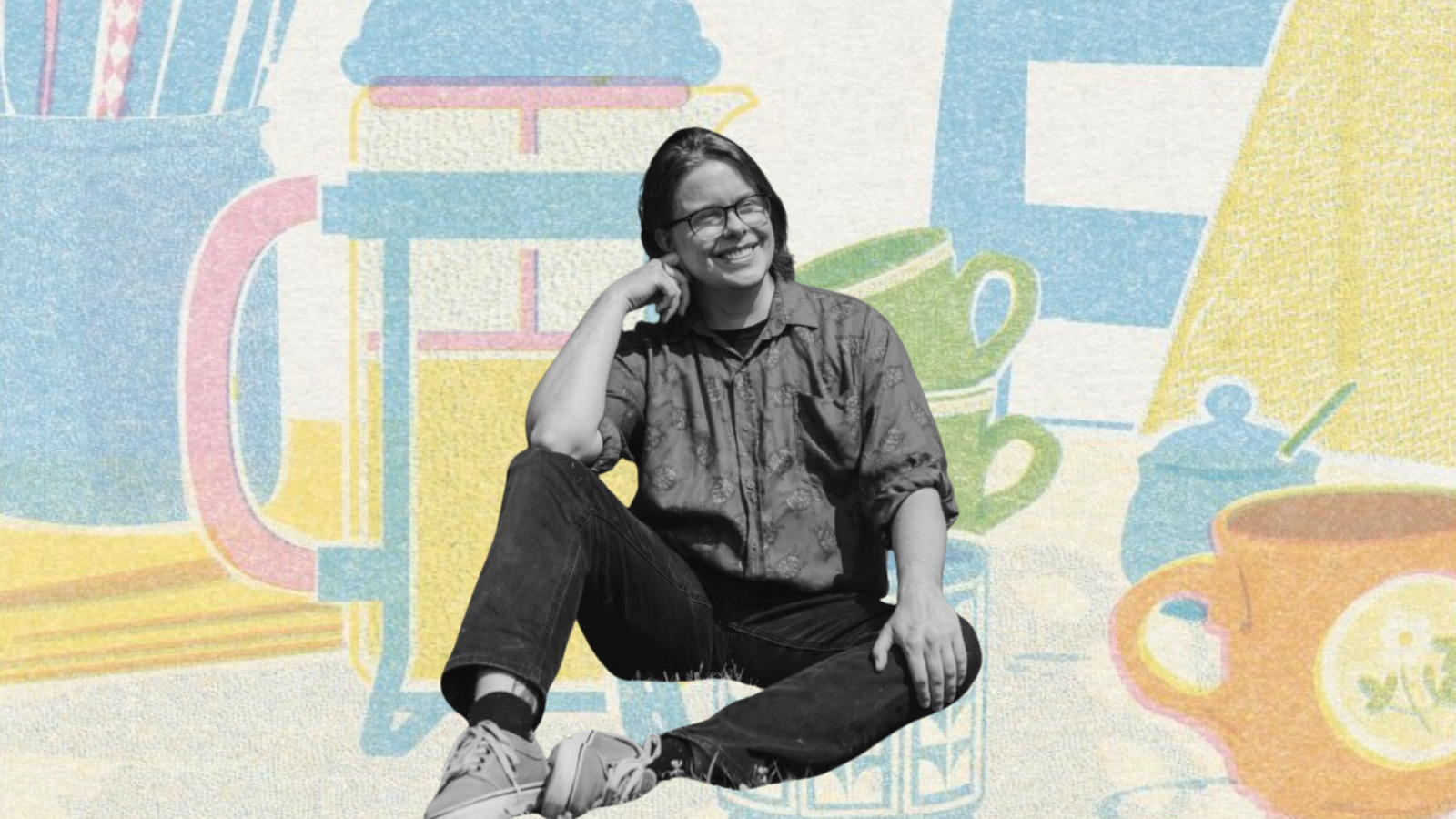
Xtra chatted with Arden about self-help books, the AIDS epidemic, the housing crisis and how we can build a more interconnected world.
We’re in a golden era for self-help books and Instagram therapy content about relationships and friendships, which can be really focused on individual “self-improvement” over the more systemic causes of loneliness. Could you tell me a bit about what motivated you to bring in this systemic analysis of friendship and loneliness?
I am not immune to enjoying a self-help book or a self-help Instagram post. But I do feel like “self-help” implies that if you can fix it with your individual actions, it is your fault and it is something you are doing wrong to start with. And in a lot of cases, that is just not true.
The book comes from myself and so many people around me being queer and trans people, who care a lot about friendship and try really hard to be good friends and to put friendship near the centre of our lives, and talk a lot about chosen family and friends being as important as romantic relationships. And I mean it when I say those things—and I think other people do too—but we still fuck up constantly, and let each other down all the time. After experiencing being on both sides of that dynamic a lot, I was like, “maybe this is not an individual problem.” If we are all experiencing similar things, it is probably a bigger issue than any of us.
So true. Particularly with the chosen family of it all—it feels like again and again, I see in my communities people being like, “Oh, this is my chosen family,” and then the next day it’s like “Fuck this person, they’re an abuser” on Instagram. I wonder how we get out of that cycle.
I have a whole chapter in the book about chosen family—I feel like that is really ground zero for interesting conceptual stuff around family in queer and trans worlds. I got really curious about where the concept came from, and as best as I could trace it back, it seems like it is a concept that arose in Black liberationist and prison abolitionist movements in the ’60s and ’70s, and then sort of percolated out to a wider and whiter context. I love knowing where concepts come from, and I think that there have been some things lost in translation along the way.
“I’m really interested in having a stronger obligation to each other, and having friendship be seen as a stronger bond and a stronger obligation and not just something that we can fuck off from if it’s inconvenient.”
All throughout the book, you historicize every concept you bring up. What was your favourite research rabbit hole you went down in researching this book?
A lot of my freelance day job work is in affordable housing, so I was already extremely radicalized about housing and housing affordability, but connecting it to friendship was huge for me. I found it so interesting to read memoirs of people I admired who were artists active in Manhattan in the ’50s, ’60s. And then I’d find places where they mentioned what their rent was, and convert it to contemporary money, and think, “Oh, that’s why your life was good—because you could work for, like, one hour a week.” I would be doing cool stuff too, if I could work that little. Everybody I know would be making so much amazing art, and spending time together and doing fun stuff and helping each other out without being completely destroyed by it. That is an extremely important, material historical factor that is making it so much harder to have a good life in any way.
What does it do to your friendships and your community if it’s not possible to stay somewhere and maintain relationships over time? We’re just constantly getting tossed around to wherever we can possibly, maybe, kind of live. That’s just something that we can’t solve on an individual level. There’s no amount of “just try harder, just make a weekly friend date” that’s going to make your rent not all fucked up.
I was interested in the part of your book where you bring up the AIDS crisis. I think that’s not something that would inherently come to mind when thinking about a book about friendship. Could you talk a bit about how AIDS informed how you approach this topic and if it’s impacted how you show up in your own friendships?
I think about the AIDS crisis a lot. I am a queer trans person, and I was born in the mid ’80s, so it’s the generation right before mine who were wiped out, and that loss shows up in so many areas of life. People my age are missing out on elders, or having the elders who are present be pretty traumatized. And also in discourse about why everyone is “suddenly gay”—well, there were a bunch of gay people a little bit older than me and something happened to them—they were there, and there’s a reason they’re not.
In particular, with regards to friendship, [the AIDS crisis] is a time in quite recent memory when a lot of people had to really rely on their friends, because so many people were alienated from their families of origin in various ways, and were trying to deal with institutions that were really hostile and unhelpful at best. And so a lot of people had to show up for each other in extremely concrete ways.
It’s interesting to read fiction and non-fiction of that time. There’s a thread [in the literature] about how you had to take care of people you didn’t like: you were like, “This bitch is so fucking annoying.” But if someone is currently shitting themselves to death, you need to show up and clean them up. It doesn’t matter if you don’t like each other, or if you have some sort of history together, you actually just have to. I’m really interested in having a stronger obligation to each other, and having friendship be seen as a stronger bond and a stronger obligation and not just something that we can fuck off from if it’s inconvenient, or if the person is annoying, or they said something kind of bad one time five years ago.
A lot of the ideas that come up in the book come down to having conversations about things that often go unspoken. Whether that’s plans for disaster scenarios, or naming power dynamics in relationships, these conversations require a lot of vulnerability and also earnestness, which I feel like we’re all a little bit allergic to right now. What’s your advice for people who pick up your book and are down to do the work but might be struggling with talking about these things that feel really uncomfortable and vulnerable and earnest?
Oh my god, it’s insanely hard! I always want to stress that the book comes out of me struggling with these things, not me being like, “I’m a great friend and I am extremely comfortable with vulnerability and having difficult conversations and repairing relationships.” I wrote the book because I’m bad at these things, and I have a hard time with them.
First I would acknowledge that it is really, really hard, and it is hard on top of everything else in our lives being really hard. But, unfortunately, I think the only way to have anything good in your life and relationships is to have a lot of awkward and uncomfortable conversations. I think it helped me to accept that by connecting it to my ethical and political values. For example, it helped to look at the ways that as a white person I was raised with a concept of being independent and self-reliant, and to value that and to be uncomfortable acknowledging my interconnection with everyone else and with accepting help and care, and to connect that to my politics of anti-racism and deprogramming white supremacy. That sort of made the hard conversations and the vulnerability more palatable, because I was like, “Okay, listen, these are your values, so if you actually want to do this, unfortunately this is the way.” It’s always going to be a lifelong process.
I find that sometimes when I’m talking about these issues with straight or cis people in my life, anyone who is still buying into these kinds of normative kinship structures, I tend to get a lot of blank looks. Which I kind of get—thinking about friendship and relationships this way does require a fundamental shift in how you’re looking at being in the world. How can we invite people for whom these ideas might seem super radical and totally outside of the picture into this space?
I think that queer people often have a double bind about friendship, where we really value it and rely on it, but are also hit extra hard by a lot of the things that make it hard. Things like economic factors, being broke and leading really precarious lives, which we know affects queer and trans people more. We are placing more emphasis on friendship than other people, we’re expecting more from it, and also struggling more with it, which is a really tough combination.
But in a lot of ways, these are not issues that are unique to queer and trans people at all. A lot of the same structural factors make straight people’s lives worse too. Like the cost of housing stuff: I think a lot about everyone in the world who must be staying in a shitty relationship because they can’t leave. If your rent is going to double if you move out, and you can’t afford to live on your own, then you’re going to stay in your cohabitating relationship even if it’s scary and dangerous, but also if it’s just boring, and not the way that you should be living your life. Or parents—parents are so isolated, and it’s so hard to raise young kids with even two adults. I think that we all suffer from the ways that capitalism and neoliberalism have foreclosed opportunities for connection and conviviality.
You write about how leaning into friendship and creating a more interdependent world requires really being able to sit with our differences. I think that’s a hard concept for a lot of people to grapple with right now, given how polarized things are politically in North America. What would you say to people who feel that connections with people who have different ideas than them feel impossible, whether that’s across politics or other divides?
Interdependence is just a fact. Even if you live in a shack in the woods with all of your weird prepper food you bought on the internet, people made your guns and your weird prepper food, and delivered them to your house. You are actually in relationship with tons of people, and you are in relationship with the place you live. There is no such thing as true independence, there is only accepting that you’re interdependent with other people or pretending that you aren’t. And it is not nice to think about, but I think that pretending that we are independent from each other is going to become less and less available as we see increasing climate-change-related disasters, and increasing authoritarianism, and the world getting harder to live in. I don’t think we have a choice but to acknowledge that we live here together, and we’re gonna have to figure it out.
Part of writing about friendship, for me, was coming to terms with the limits of friendship, and the conceptual slippage that we have between friendship and community. I think friendship is awesome, but I think that we also need to all develop our skills for being in spaces and working on projects with people who we don’t really like or agree with, without burning the entire thing down. That is really hard to do, and I struggle with it too. But we cannot just keep winnowing ourselves down into smaller and more specific subgroups. That’s not gonna be it.
This interview has been edited for length and clarity.

 Why you can trust Xtra