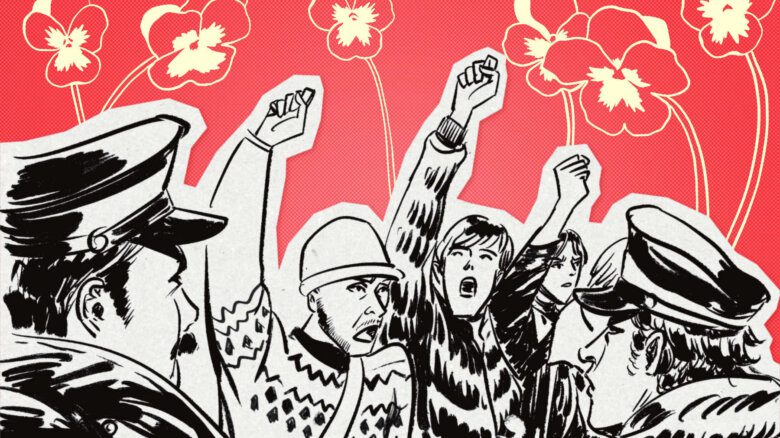
In 2018, Kathleen Stock, a philosophy professor at the University of Sussex, wrote an op-ed in The Economist opposing the acknowledgement of trans women as women. She alleged that trans women are inherently predatory and are predisposed to violence against cis women. Many students soon demanded that Stock be fired from the university. In 2021, over 700 philosophers, including some of the most prominent academics in the field, signed an open letter condemning Stock’s statements. Meanwhile, a small minority of trans community members had been retaliating by threatening Stock with rape, assault and murder on social media. Over the course of the attacks, Stock turned to the only people who would support her: anti-trans campaigners. J.K. Rowling and Boris Johnson became Stock’s outspoken champions.
While Stock had publicly identified on the progressive left for decades, her experience of online abuse pushed her into anti-abortion advocacy, conservative journalism and right-wing campaigns against assisted suicide. She received an outpouring of praise, attention and publicity. She quit her University of Sussex professorship in 2021, acknowledging that she could no longer teach there due to campus backlash against her anti-trans advocacy. However, the intimidation ultimately empowered Stock to become one of the most vocal opponents of trans rights in the U.K.
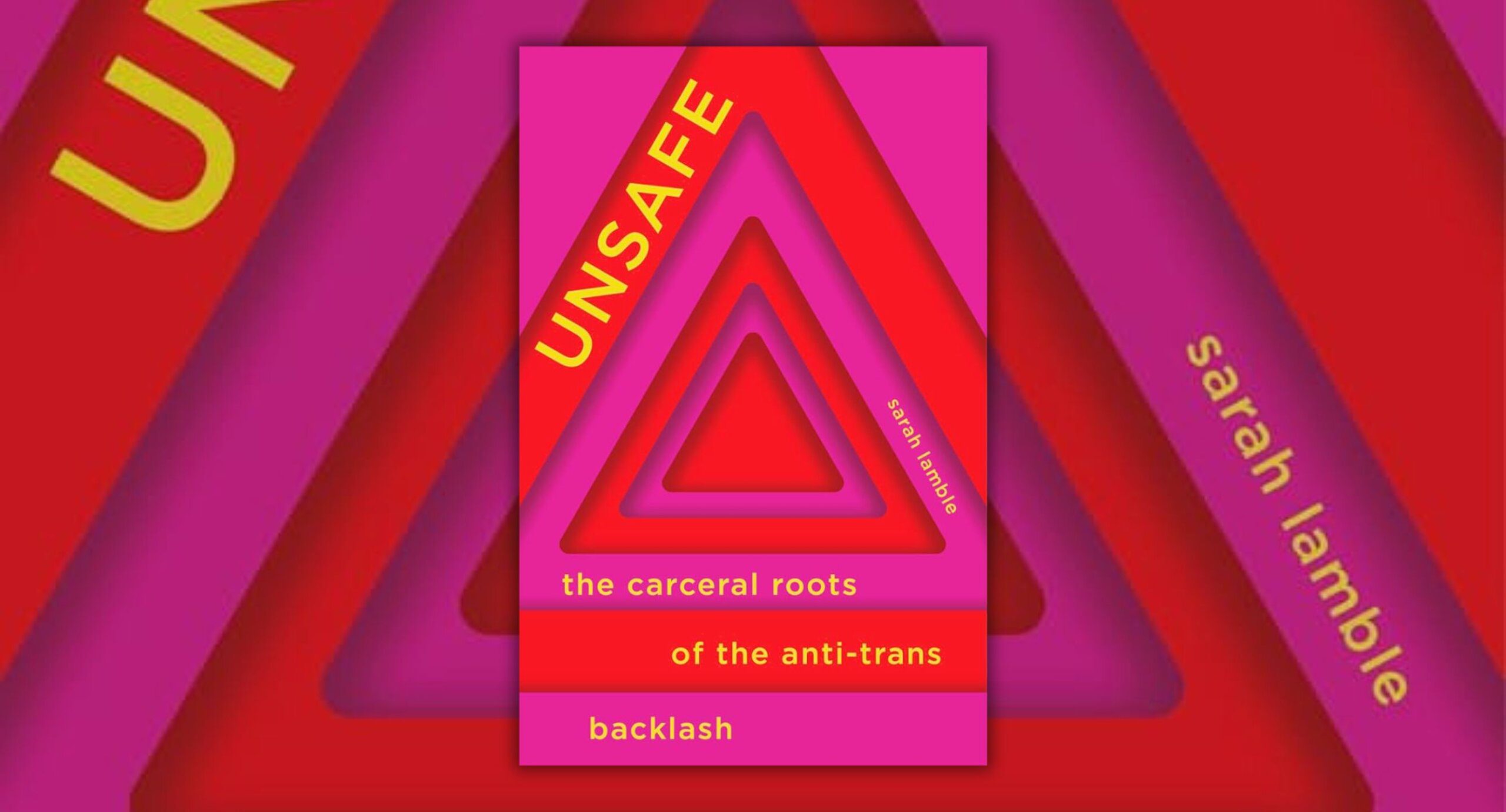
When neither respectable protest nor threats of violence stop anti-trans campaigning, what can the trans community do? S. Lamble’s debut book, Unsafe: The Carceral Roots of the Anti-Trans Backlash, unpacks this paradox of safety. Lamble, a professor of criminology and queer theory at Birkbeck, University of London, spent decades studying and working alongside people involved in difficult cases like Stock’s. When Stock’s case entered public discourse, it immediately sparked what Lamble describes in the book as an escalation of “carceral safety politics.” Trans activists called for harsher punishments against gender-critical campaigners, who, in turn, advocated for tougher measures against trans activists. This conversation is foregrounded in a culture that uplifts figures like Nigel Farage, who actively push for harsher punishments against both migrants and trans women in female spaces. The core idea behind these messages from both mainstream trans and anti-trans activists is that punishment will lead to safety.
In Unsafe, Lamble argues that this assumption, uniting the British left and right, actually encourages trans exclusion from the start. Increasing the state’s capacity to punish will result in greater capacity for it to punish trans people. But what options do activists have without punishment? Lamble first urges readers to pause for reflection whenever the concept of safety enters the discussion. Does this form of safety mean exclusion or imprisonment? Or does it foster care and social bonds?
Unsafe proposes that reducing harm requires “transformative safety,” which blends compassionate care and transformative justice practices. This approach confronts the root conditions that enable harm, instead of depending solely on punishment and exclusion. It invites us to ask if Rowling or Stock would have a different perspective if trans people and their allies had the opportunity to speak with them before they became deeply involved in the anti-trans movement. What if they had been met with a restorative approach when they first began considering anti-trans ideas? What if they had been guided to understand why trans exclusion also harms women like themselves?
Lamble is not saying that trans people have a moral duty to gently educate gender-critical activists. Rather, they argue that experiences of punishment are likely to cause people flirting with anti-trans views to double down on them. They will not only distance themselves from their trans community members but also attract attention and influence in the process. As Lamble describes, the protests against Stock “opened doors to high-profile speaking engagements, a book deal, regular news columns and a new academic post” (Stock was awarded a founding faculty fellowship at Bari Weiss’s University of Austin as soon as she left Sussex). The seemingly inevitable backlash to punitive activism means trans advocates must “develop entirely different models and practices” for organizing.
Recognizing the complex power dynamics involved, Lamble doesn’t entirely dismiss common trans protest tactics like deplatforming. Instead, they encourage readers to reflect on how the urge to punish might sometimes prevent us from having important conversations “with people who are misinformed or hostile around trans issues.” While protests are important—especially ones against decisions by influential figures like Rowling or party leaders—Lamble proposes that “casting our opponents as disposable will not help the broader struggle for trans liberation.” Instead, they call for changing how society responds to harm. The sources of problems like transmisogyny lie in broader structures, not individual “bad actors” like Stock. Lamble suggests those grappling with conflict should ask more questions about the roots of violence: the reasons for harm, the needs that have emerged and how future harm can be prevented.
Getting to the root of violence also means recognizing that victims can be perpetrators and vice versa. While researching Stock’s case, Lamble noticed that “both sides locked into proving that they are the true victims and locating the cause of their suffering in the other.” However, these “competing claims to victimhood” erase any chance of the two groups working together. Trans activists often dismiss the experiences of gender-critical women, including those who have experienced sexual violence. Gender-critical activists dismiss the experiences of trans women, proclaiming our womanhood illegitimate. This zero-sum mentality assumes one group is inherently more oppressed than another, which ends in both groups fighting for resources and recognition. In fact, the cis women campaigning against trans women also experience sexual harassment, unfair pay and diminishing access to healthcare, all issues plaguing the trans community.
Lamble makes the controversial point that intensifying the conflict between trans and anti-trans feminists could cause us to lose focus on the broader structural issues that initially fuelled anti-trans activism. There cannot be a “trans prison debate” if there are no prisons. Trans people cannot be arbitrarily fired if they have job guarantees. Anti-trans “feminists” would not have to live in constant fear of rape if consent education were more prevalent in schools. Centring these intersectional issues could open up opportunities for surprising acts of solidarity, Lamble argues. Either side escalating the conflict will detract from these social problems.
Unsafe offers a persuasive and accessible narrative of how legitimizing punishment as a movement strategy doubles back onto trans people. Lamble’s transformative safety model offers us a new way to think about this problem of exclusion, expanding trans movement tactics beyond personal attacks and deplatforming. Instead of relying on tired tropes of individual “bad people” within and against the trans community, Lamble urges us to reconsider how we respond to violence altogether. This new approach would empower social movements to become more flexible, intersectional and collaborative when experiencing severe tensions.

 Why you can trust Xtra