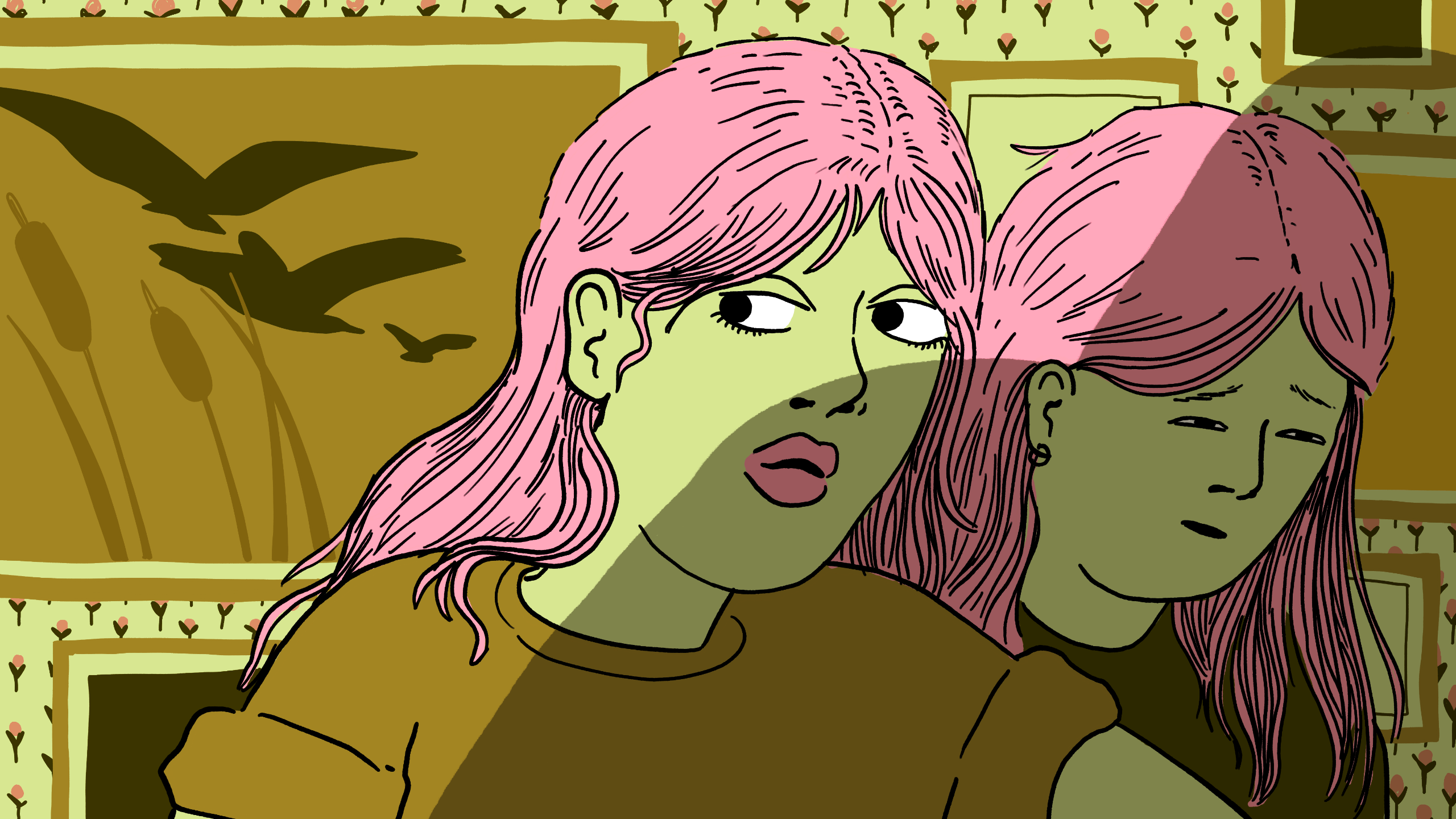
One of the fondest memories I have of my mother is the time she spent reading to me and my sibling before bed. Curled up in her arms in matching Pokémon pajamas, we looked almost like twins, despite the nineteen months between us—a comparison that always annoyed me. We were so cozy that we often fell asleep and had to be carried to bed.
I was an early reader and books were one of the only things that got me to sit still. Reading was the only thing I learned faster in school than my sibling, despite them being two grades behind; still, their reading pile was twice as high as mine. I quickly devoured series like The Baby-Sitters Club while my sibling was drawn to Animorphs. I rarely understood the books they chose, but loved to see how they would light up explaining the magic system in the latest fantasy series they were reading. (Likewise, they’ve never judged me for my love of trashy romance.) No matter what athletic activity I’d come home from, I was always welcome to join them and tuck my perpetually cold feet under their blanket as they read on the couch.
Looking back, it’s hard to believe that it took me so long to figure out that I’m queer. By the age of five, I’d already traded dance classes for soccer practice. I was always parading around topless in loose-fitting basketball shorts, and I wasn’t afraid to get dirty. I was acceptably tomboy. But in the small-town suburbs in the late ’90s, we didn’t talk about queerness, so I thought all the other girls on my team felt the same way as me.
Our dad is a sports guy and he loved that I’d been a star on the soccer field since I was four. I don’t know if he ever had concerns about the “boyish” ways I chose to dress when I was little, but he never said anything. That might be because by the time I started high school, I realized girls were only allowed to be tomboys some of the time. So, I tried really hard to fit in and be the girl I was supposed to be by getting my hair done and wearing a dress to prom.
The experience my sibling had as someone who was perceived to be a boy was very different. They were never what society would call a “masculine man.” They didn’t excel at sports and never really enjoyed them either. Rather than focusing on the game, you’d find them sitting in the grass, picking clover, and they would have much rather been at home researching the pack structure of North American wolves anyway. But they kept playing soccer because our dad demanded it of them.
They were a shy, socially awkward kid, but they connected with other weirdos who were interested in the same fantasy books and games as them. If you’d let them, they could’ve talked for hours about the fantasy world that had consumed them—-but I was the only one in the family who listened. They were much too emotional for our father to understand, and they had no interest in toughening up. They were teased by our father because their sister was tougher and more athletic than them, as if that would somehow motivate them to care about sports. Unsurprisingly, our traditional father often saw my sibling’s behaviour as less than acceptable, so he was continually trying to get them to “act like a man.” Of course, my sibling didn’t understand their experience with gender at the time, so I can only imagine how soul-crushing it felt to be constantly told that the way they existed in the world was wrong.
It was the early 2010s when I brought a girl home for the first time. I was twenty-two and had already moved out, but she was important to me, and I wanted to gauge whether or not my dad would be open to the idea of me having a girlfriend. Initially, I had no intention of actually telling my dad she was my girlfriend (I saw no indication that he would support me), but my relationship with my sibling changed my mind. I don’t know if the situation between my dad and my sibling ever became unsafe, but I’d heard about the fights they’d had and I had the instinct to protect them. So, I came out with the goal of steering some of the attention toward me.
I knew I could take the heat, and I expected to get scorched. But the response I got was barely a spark. My dad nodded uncomfortably and didn’t ask any follow-up questions. It was obvious that my sibling and I were treated differently, and the only reason I could see for this was our sex assigned at birth.
While my first coming out didn’t get the attention I thought it might, my sibling saw I was willing to fight for them. It brought us even closer.
After a year or so, things were still rocky for my sibling at home. They were twenty-two by then, but still uncertain of the direction they wanted their life to go, so staying home felt like the only option, even though the fighting had become more frequent and our dad regularly threatened to kick them out. Eventually, my older sibling instinct took over and we moved in together.
I rented out the condo I’d bought a few years earlier with my ex, and the two of us rented a cute little basement suite with a bathroom that separated the bedrooms (so we didn’t have to share a wall), located somewhat between the different universities we were attending at the time. We weren’t the picture-perfect version of closeness you might see in the movies, but there was a comfort we settled into that was very soothing to our neurodivergent brains. As the older sibling, I took charge of big things like furnishing our living room and stocking the kitchen. And though I’ve never been the best cook, I always made enough food for two if my sibling was home for dinner. My sibling was in charge of choosing the movies we’d watch. I felt settled and comfortable for the first time since I’d moved out of our dad’s home.
We weren’t particularly close with our dad during the time we had our own place, but we weren’t estranged either. We regularly went home for Sunday dinner and I sometimes brought boys home to meet him and the woman he was dating. Did I date girls during that time too? Absolutely, but I never brought home another girl after that first time, so I imagine he thought my queerness was a phase. Thinking about this now, I’m struck by the fact that I was clearly given some latitude to “experiment,” while my sibling wasn’t given the same freedom. Heaven forbid a “man” consider, even for a second, that they might not be entirely straight.
We muddled our way through those family dinners, conversation never dipping deeper than surface level. In the five years since our mother passed, my sibling and I had learned not to talk about anything that mattered with our dad. But we had always trusted each other. So, it wasn’t surprising that I was one of the first people they came out to. I already knew they were queer—they were dating one of their high school friends at the time—but figuring out one’s gender is often much more challenging to explain than sexuality, particularly when you’re non-binary, agender or genderqueer. The way they came out has always stuck with me.
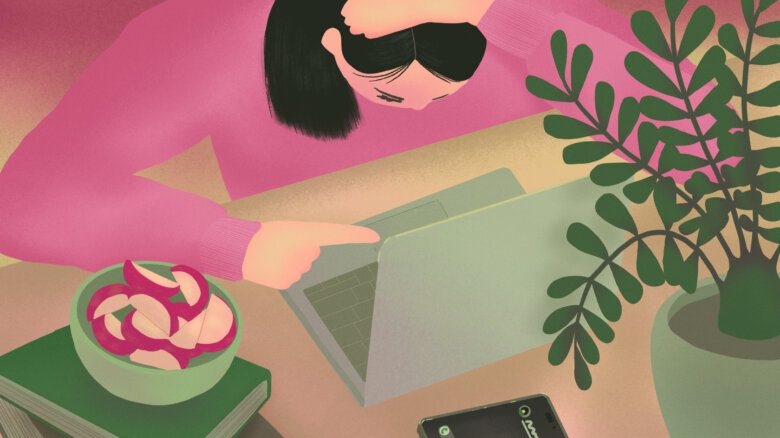
It was a typical evening at home when they interrupted the show we were watching. “I have a video I want to show you,” they said. They set their laptop on the coffee table between us and pressed Play. It was one of those videos where someone draws little pictures to describe a topic and then adds a voiceover. The topic was gender.
The person in the video explained the difference between sex and gender, and showed how gender expression is individual and varied. These were things I was aware of but not yet well versed in. The voice in the video said they’d realized they had no significant attachment to gender at all. They didn’t feel like a woman or a man and chose to identify as being outside of gender entirely. When the video finished, my sibling leaned forward, pressed Pause and said, “That’s how I feel.”
I don’t remember the rest of the conversation exactly, but I do remember telling them I felt almost the exact opposite and I wanted to have all the genders. I jokingly told them they could give me theirs. We had both decided to use they/them pronouns, but for entirely different reasons.
Opposites. That’s been a pretty consistent theme for our entire lives that has carried into our experience of queerness. Now, they identify as agender, while I identify as transmasculine, though I see myself as a feminine queer twink and I still love to play with gender. But no matter our differences, we’ve always managed to find common ground and we will always have each other’s backs.
The second time I came out to my dad was shortly before I started testosterone. I wasn’t any more ready to come out than I had been the first time, but I knew it wasn’t something I was going to be able to hide, at least not for long, so it felt like a must. This time, I opted to send him an email rather than come out in person. I’ve always been better with words when I have a chance to write them down and email gave me the opportunity to send helpful resources. But I was afraid.
Again, I was met with a similar non-response. He replied with something along the lines of he didn’t understand it but he would do his best to support me. I have no idea if he ever read the resources and we never talked about it in person.
We are both out to our dad now, but our relationships with him are entirely different. While he doesn’t understand being trans, our father does put in some effort to support us. In the ten years since I came out, he’s gotten pretty good at using my name, which definitely doesn’t earn him a gold star, but for me it’s enough to maintain an okay relationship. However, my sibling’s relationship with him is much more strained. I wonder how much of that comes back to my dad’s outdated ideas of gender. Despite nearly ten years of practice, our father still struggles with pronouns, so I’m confident that’s a significant factor in their rocky relationship.
When I was in the process of legally changing my name, I struggled with not being able to talk to my mom about it. She played a big part in choosing my birth name, and even though it was never really mine, it felt like the only thing I had left of her. On the other hand, my sibling tossed their name away without hesitation—and power to them. The middle name they were given at birth was always so much cooler than mine, so I asked their permission to take it. Now, I always carry a piece of my mother and my sibling with me.

 Why you can trust Xtra