Over the past few years, Alberta has joined a broader North American backlash against trans rights, introducing legislation and policy changes that restrict access to gender-affirming care and other rights for trans and gender-diverse youth.
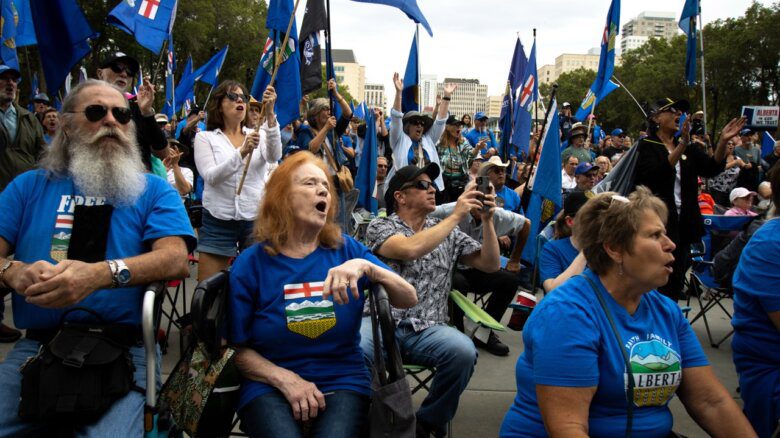
In December 2024, Premier Danielle Smith’s government passed a trio of laws that directly impact trans youth by prohibiting doctors from providing treatment such as puberty blockers and hormone therapy to those under 16, banning trans girls from women’s sports and requiring parents to be notified if a child wants to change their name or pronoun at school.
Since the laws were first introduced, LGBTQ2S+ advocacy groups like Skipping Stone and Egale Canada have challenged these measures in court on the basis that they violate the Charter rights of trans youth. But in December of last year, Smith’s government passed the Protecting Alberta’s Children Statutes Amendment Act (Bill 9), invoking the notwithstanding clause and shielding the legislation from being challenged on the basis of Charter rights for the following five years.
While these legal challenges have largely been put on hold, in addition to public protests and statements, many groups have strengthened their commitment to community care through direct support and new initiatives to guide queer and trans youth through this period of uncertainty.
Xtra asked eight LGBTQ2S+ community leaders and advocates across Alberta to share their top resources for trans youth in the province.
Here’s what they had to say:
Kaia Heroux (she/her)
Fyrefly camp and conference coordinator, Fyrefly Institute for Gender and Sexual Diversity

The most impactful resources that I see in my day-to-day work revolve around social activity. Having access to community and peer support through social activity can be a huge boon to trans youth and their families. For example, youth in Edmonton have access to programs like Camp Dragonfly, which offers tons of programs for LGBTQ2S+ youth ages six to 13.
There are also the programs that we run through Camp fYrefly which help youth build resiliency and self-advocacy skills through arts and leadership activities. Camp fYrefly runs two camps in Alberta, one in Kananaskis and one in Edmonton, as well as camps in Ontario and Saskatchewan. Parents of LGBTQ2S+ youth can seek peer support through organizations such as PFLAG (Parents, Families and Friends of Lesbians and Gays), an international program with local chapters across Canada.
There is an organization local to Edmonton called the Rainbow Alliance for Youth in Edmonton (RAYE) that connects all resource providers in the area. Part of their funding has led to a position called the Queer Access Navigator, a person who connects youth and families with the resources they need and can also go with them to appointments and programs to help them navigate those sources of care.
Rowan Morris (he/they)
Founder, Trans Rights YEG
Because homophobia and transphobia have been slowly, consistently rising over the last decade, it is easy to deny how serious and harmful today’s hostile climate is. I can promise you this is a traumatic time.
Glo is an app from It Gets Better Canada with self-directed modules that teach skills to support your wellbeing. This is an app directed towards LGBTQ2S+ young people in Canada to help them build resilience. If you are a young person in Alberta (11–25) you can access free virtual therapy through Kickstand Connect. Although Kickstand is not LGBTQ2S+ specific, they have committed to allyship and trauma-informed support.
Crisis lines are waiting to help. In Edmonton, we have Brite Line, a crisis line specifically for LGBTQ2S+ people run by the Canadian Mental Health Association. Kids Help Phone also offers a texting-only option, so no one can overhear your conversation.
For Indigenous youth, I cannot recommend Okimaw Kihêw Mêkwanak (OKM) enough. OKM supports families and trans youth in traditional Cree ways of kinship. They made headlines last year for their outstanding “rite of passage ceremony” for trans teens.
If you’re in Edmonton, check out the mentorship program PRISM with BGCBigs.They pair trans youth with an adult from their community, who shows them that growing up and thriving is an option. None of us can get through the five years of Bill 9 alone.
Claire Pearen (she/her)
Organizer and founder, Pride Corner on Whyte

From a Pride Corner perspective, we don’t see policy debates first. Oftentimes, we see fear. Over the years, it’s become apparent that the first resource to lean on is connection. For ongoing support here in Edmonton, the Pride Centre of Edmonton is a great place to start. It’s really a no-judgment zone and a safe space for the queer community, helping them feel less alone while trying to find their way through truly isolating times.
Something we’ve learned over the years of protesting is that even just one affirming presence can make a massive difference. A parent who says, “I have your back,” or a teacher who doesn’t hesitate to use your proper name—all of those can be game changers.
Mutual aid is another big one! Helping someone get to an appointment, sharing food and/or starting a small fundraiser for someone in need. Supporting in small ways that some wouldn’t consider. None of that shows up in legislation, but we believe it is what keeps people going.
Pam Rocker (she/her)
Community activist and faith leader

Since I work in the intersections of queerness and faith, I find myself recommending a lot of resources to help people see that faith and queerness are not at odds with each other.
The key is to find our people—those who can and will stand for us when the government and justice system fail us. I frequently recommend the book Transforming: The Bible and The Lives of Transgender Christians by Austen Hartke. Austen is an Old Testament scholar and a trans man who demonstrates how transness is not only “acceptable” from a faith perspective, but a deeply sacred way of being that has existed across cultures for centuries. I refuse to let bad religion have the megaphone.
We’re also seeing a consistent need for support for queer and trans youth who are being subjected to conversion therapy practices (efforts to change or repress their gender identity or sexual orientation). I helped consult on the Stop Conversion Practices website that holds a wealth of information that can benefit anyone who has been or is being affected by this issue. Know that if you’re looking for spiritual community, you can find folks in your area who will be in your corner.
Janis Irwin (she/her)
MLA, Edmonton-Highlands-Norwood
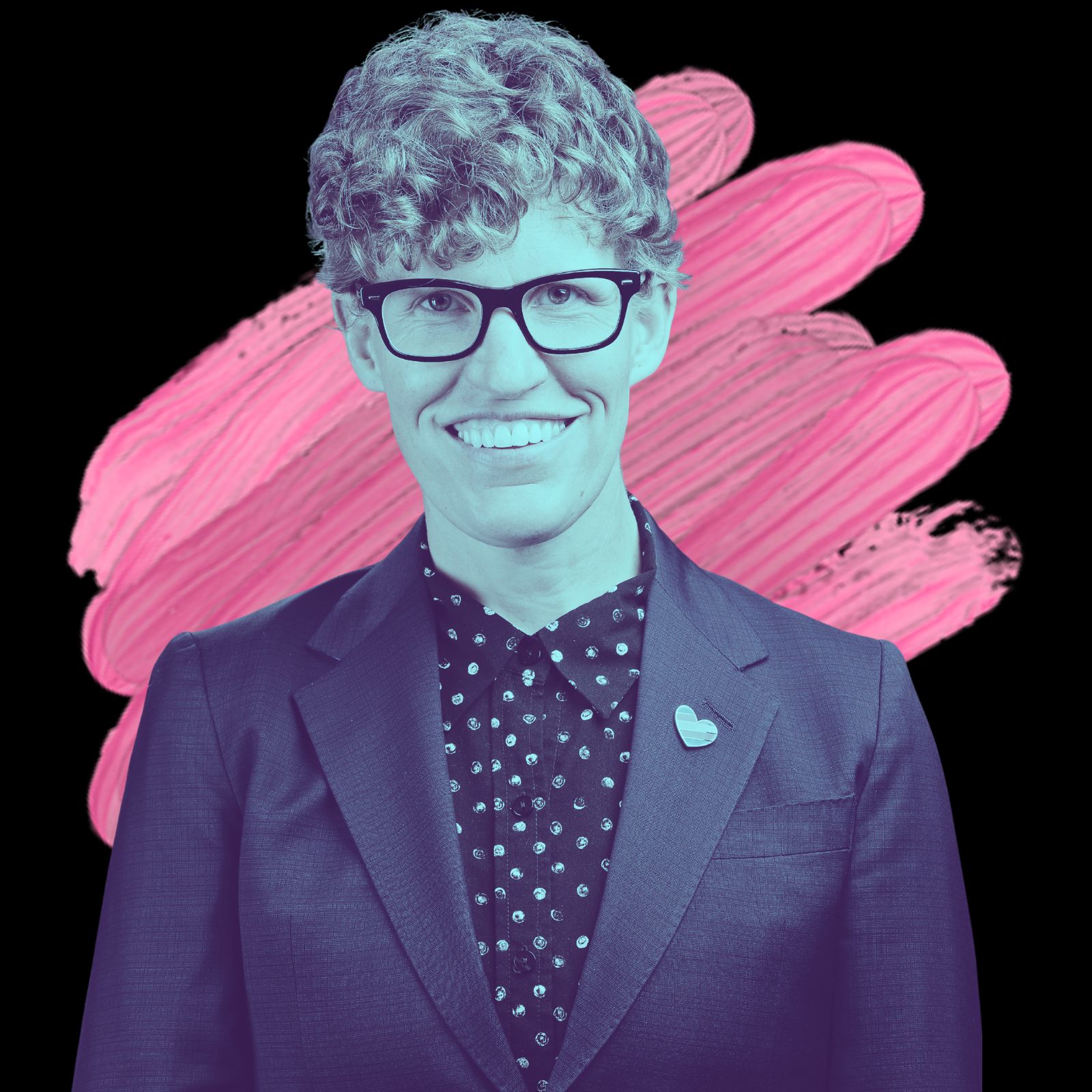
The best resources I have found are the organizations doing the hard work on the ground. Skipping Stone has been an incredible support for so many trans youths and their families, and their advocacy is really inspiring. I direct a lot of folks to them and try to support them as much as I can.
Another organization that offers support for trans folks is the Trans Equality Society of Alberta (TESA). I’m very grateful for the more grassroots groups like Trans Rights YEG that have sprung up and taken on a lot of community action initiatives. And while Alberta’s trans community faces a government that attacks their rights, there are allies all across our province who won’t be silent and will continue to fight back. You can be assured that Alberta’s New Democrats will always stand up. I think it’s important for trans youth and parents of trans youth to know that they’re not alone—to know that there’s a community out there, and that resources exist.
Dr. Kristopher Wells (he/him)
Canadian senator for Alberta and former Canada Research Chair in the Public Understanding of Sexual and Gender Minority Youth
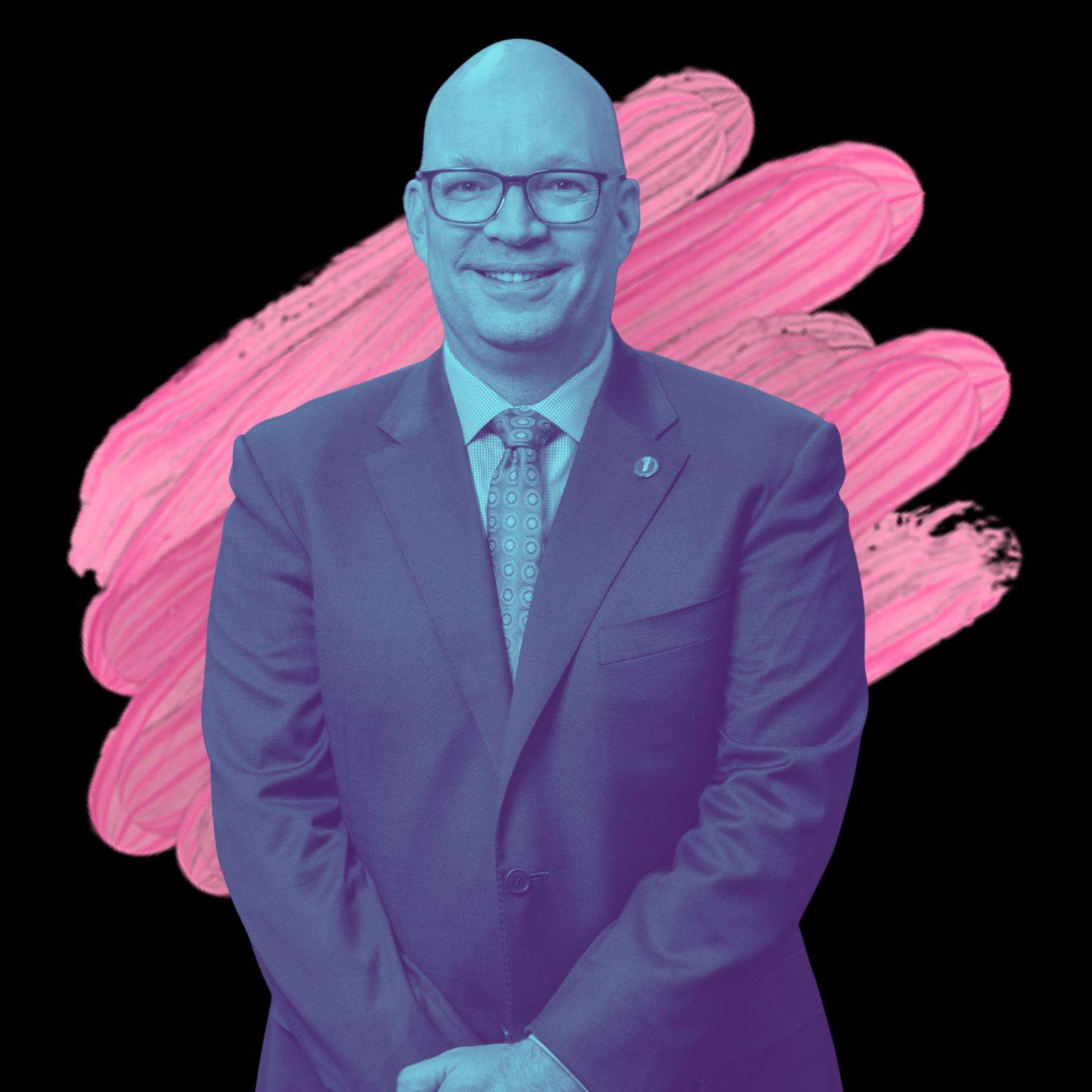
For a legal perspective, I would recommend Egale Canada, which supports legal challenges against the Alberta government’s discriminatory legislation. MacEwan University also put together a community report, the first qualitative research to explore the lived experiences of trans youth in Alberta. This is a way to hear and learn from the voices of trans youth directly.
Momentum has also been involved in supporting direct community advocacy in Alberta, and for more of a faith-based perspective, I would highly recommend Affirming Connections as an important resource. Hillhurst United Church in Calgary is also a hidden gem.
To any parents of trans kids, I would humbly suggest that the most important thing you can do is to love your kids for who they are and not for who you want them to become. Unconditional love and affirmation are critical. In terms of education, look for schools that have explicit sexual orientation and gender identity policies and that actively support Gender & Sexuality Alliances (GSAs) or Queer Student Alliances (QSAs).
Vivek Shraya (she/her)
Writer and multi-disciplinary artist

Bookstores can be hubs for community and connection. In Calgary, I’d recommend Shelf Life Books. They have great programming, and a lot of the book events I’ve done myself have taken place there. I also know of an amazing queer donut shop called Doughnut Party.
In Edmonton, Latitude 53 often hosts trans artists. They’re a community gallery, so they’re responding to community needs and discussions, and their perspective is very queer and open. I’d also check out some incredible Albertan artists like Joshua Whitehead, Jordan Abel and Suzette Mayr. They are living, breathing queer writers who create in Alberta—they are worth exploring because of the ways they tackle the Prairies and queerness in their work.
I don’t think the government represents its people in Alberta. The vast majority of people are on our side, and they’re very much having the conversation about our rights. I recently did a show at the Calgary Philharmonic, and it was one of the biggest rooms I’ve ever played. There’s a lot of support on the ground for trans people and trans arts.
Kameron Heughan (he/him)
Community program lead, Skipping Stone Foundation

One resource that we at Skipping Stone really try to highlight is our Creative Art-Based Therapy for Trans Youth program. This is a free, arts-based therapy space for trans and gender-diverse youth between the ages of 13 and 17, run by clinical mental health professionals. Importantly, our providers are members of the trans community.
In addition, we maintain a Trans Affirming Network of mental health providers whom we know and trust. This network includes clinicians with a variety of backgrounds, therapeutic approaches and areas of expertise, helping individuals and families connect with care that best suits their needs. We collaborate closely with Community Connect YYC to provide rapid-access, free counselling to individuals of all ages. Appointments can be booked directly through a counsellor’s online calendar, and take place either in-person at our downtown Calgary office or online.
Some of the less visible resources that make the biggest difference for trans kids and their families in Alberta are often those deeply rooted in peer support. One example is End of the Rainbow, a Calgary-based organization that runs a group called TransFamilies, which offers parents and caregivers a supportive network to share experiences and strategies for navigating a world that often feels hostile or confusing.
In southern Alberta, OUTreach Southern Alberta Society strengthens communities by offering GSAs, parent support groups and trans peer support groups. Similarly, Home, in Red Deer, exemplifies the power of local, grassroots support.
I also recommend The Trans Self-Care Workbook by Theo Nicole Lorenz. This workbook is a favourite amongst our team because it offers practical, grounding tools for navigating gender incongruency, stress and everyday survival.

 Why you can trust Xtra