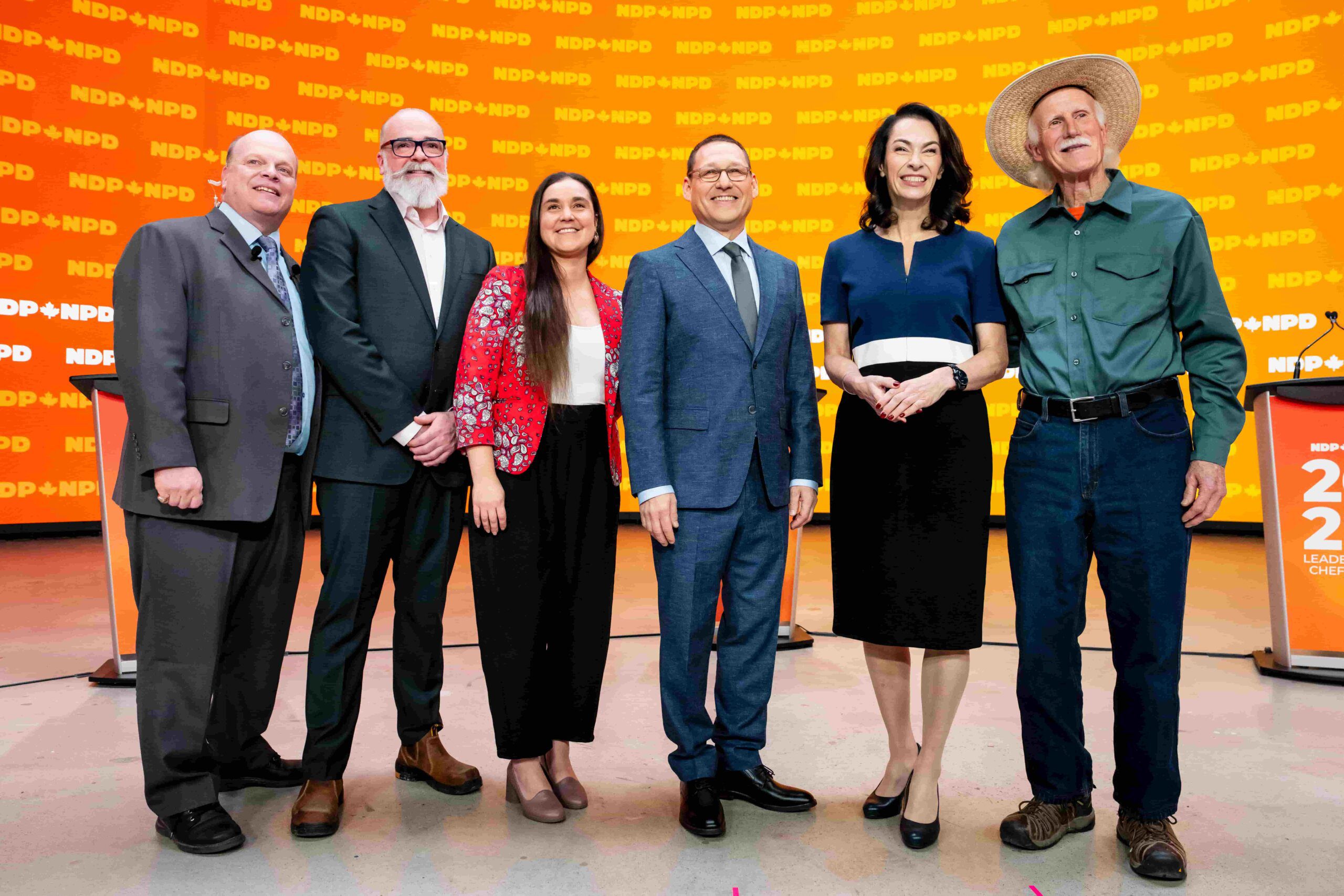
The NDP’s leadership race is hurtling toward the March 29 finish line, with all five declared candidates still in the race, having met their fundraising and signature-gathering requirements. There are differences emerging from the “violent agreement” that we normally see in NDP leadership races, and this could indeed be an existential choice that the party faces as they determine what kind of future they want to create for themselves within the highly polarized political environment the party finds itself in.
The NDP as a political organization is essentially on life support. Having won only seven seats in the last federal election, they fell below the threshold for official party status (and before anyone says that’s unfair, the logic of needing 12 seats for that status is the ability to have representation on every House of Commons committee). That not only meant a loss of funding and support within Parliament, but many of the riding-level campaigns fell below the thresholds to get rebates from Elections Canada. This was a blow to the party’s finances as they have a massive campaign debt to repay, leveraged by their party headquarters building in Ottawa, which they mortgage to finance every election campaign. And the party has fundraising issues—the election post-mortem report called out the fact that many within the party seem to be allergic to fundraising, in spite of it being the lifeblood of politics.
Beyond this, the NDP find themselves in trouble because of the collapse of the union vote for the party, particularly in their former strongholds of southwestern and northern Ontario. In truth, the party has been slowly losing the labour vote for years, as the Liberals have been effectively siphoning it off since the days of Paul Martin, and in more recent years, conservatives federally and provincially have been targeting blue-collar unions in part because they are better able to speak their language. While many on the right like to disparage the NDP as being preoccupied with the issues of the “faculty lounge,” I would say that it’s less that crowd that they have been catering to but rather the extremely online Canadian fan base of the left-wing Democrats. These political views have been shaped by American-centric social media algorithms that push them toward the likes of Bernie Sanders and Alexandria Ocasio-Cortez rather than any Canadian figure. NDP policies came to reflect this extremely online slant, with many policies lifted from those Democrats even if they don’t make any sense in Canada.
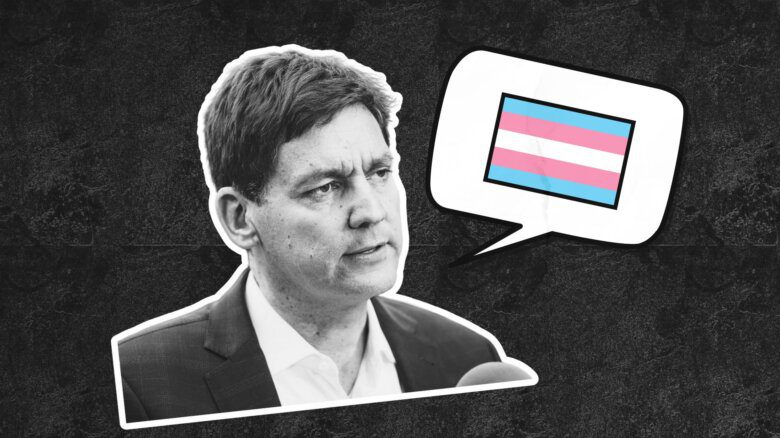
This is where the paths to the party’s future are starting to present themselves—how do they recapture the labour vote? How do they try to make themselves relevant to voters who aren’t extremely online and are more concerned with working-class issues and not whether they are current with the algorithmic capital-D Discourse? Or how do they try to build on the successes of the provincial NDP in provinces like B.C. or Manitoba when the political landscape in many provinces varies much more than it does federally? With the Liberals slowly morphing, federally, into the second coming of the Progressive Conservatives, there should be plenty of room for the NDP to come at issues from the left, but whether they are capable of doing so without again trying to ape the American-context issues of their very online base is a very open question. Where are the progressive issues that they can actually set themselves apart on, given that federally, queer and trans issues are largely settled in Canada, and they have few levers to use against the premiers who are attacking trans youth in particular? The NDP’s supply-and-confidence agreement with the Liberals in the last Parliament did result in federal dental care and limited pharmacare, but they also insisted on funding models that made them more vulnerable to cancellation by a future government. This is because the federal party refuses to be realistic about how federalism works and involve the premiers, as these issues should properly be within provincial jurisdiction.
In truth, there are two frontrunners in the race: Avi Lewis and Heather McPherson. Lewis has name recognition within the party, or nepo baby cred—his grandfather led the federal party, his father led the provincial party in Ontario and he had a career with MuchMusic and the CBC before turning to documentary filmmaking, and he is also married to author Naomi Klein. This being said, while he has run for a seat twice, he has been unsuccessful both times. McPherson is a sitting MP, from one of the safest NDP ridings in the country, Edmonton-Strathcona. That bit of geography also shapes her perspective in the race, and is part of what is creating a dividing line between the candidates.
McPherson is very much trying to pattern herself in the mould of former Alberta premier Rachel Notley in terms of being a more pragmatic centrist, but that has its limits federally. Provincial NDP organizations in the western part of the country in particular need to be centre-left if not entirely centrist because in those provinces, the provincial Liberals are either extinct or marginal, meaning they need to attract a much broader swath of voters in effective two-party races. This is not the case federally. Perhaps McPherson could make the case there is more room for a centre-left NDP in the age of Mark Carney, but the fact that he managed to poach the Ontario NDP’s deputy leader to run for the federal Liberals in the Scarborough South by-election shows that the voters may not see it the same way.
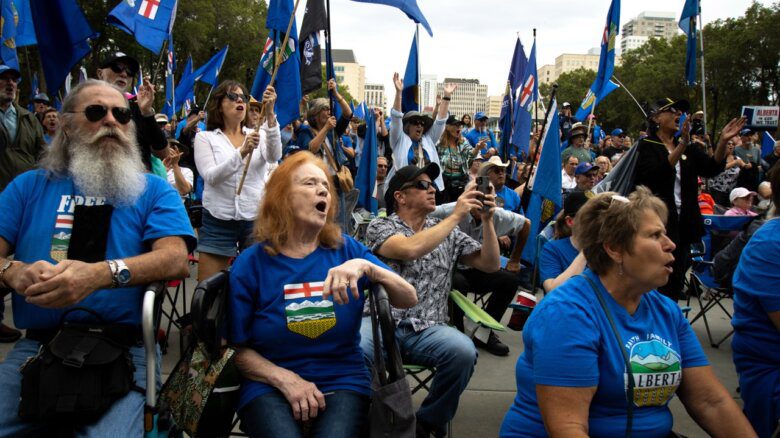
Lewis, on the other hand, is trying to present a much more bold vision that includes shutting down the fossil-fuel industry in this country—something that the current Alberta NDP leader, Naheed Nenshi, is warning against as he gears up for a coming provincial election against Alberta premier Danielle Smith. Not only would that be economically ruinous to the province (and no, it’s not going to be an easy transition to a green economy when you have a population that is essentially addicted to the sugar rush of oil booms), it will also play into the burgeoning separatist forces in the province, which will in turn play into Trump’s hands. His administration has already begun a campaign of trying to turn Alberta into the Donbas of Canada, where propaganda and dark money will fuel a separatist uprising that will only serve Trump, as Putin did with Ukraine’s easternmost regions.
Lewis is also trying to draw inspiration from the Zohran Mamdani campaign in New York City when it comes to things like proposing publicly owned grocery stores, when the data shows that corporate profiteering is not the main cause of food price inflation in Canada, nor do we have the same food-desert issues in most parts of the country as they do in New York. (And we already have enough problems with NDP leaders across the country taking all the wrong lessons from Mamdani’s win, particularly with trying to mimic his communications style—looking very much at you, Marit Stiles). As well, the fact that Mamdani was unwilling to throw trans people under the bus as many mainstream Democrats in the U.S. have is also largely irrelevant as a political lesson in Canada as neither the Liberals nor other members of the NDP have made that particular cynical political calculation.
As the leadership vote draws closer, Lewis’s fundraising numbers show him to be in the lead, but that may not be determinative—the choice will be made by a combination of ranked ballot and round-by-round voting, which can skew the math if he doesn’t win on the first ballot. Both he and McPherson are presenting different futures for the party, so it will be very interesting to see which path the NDP’s grassroots membership feels they need to take in order to save the party and secure their future.

 Why you can trust Xtra