The voice of a new man

Lucas Silveira and The Cliks release Black Tie Elevator

Trans musician Lucas Silveira shot to the top of the queer music scene back in the 2000s. His band, The Cliks, has toured with Cyndi Lauper, Tegan and Sara and other big names.

Things have changed since then: Silveira’s now an indie artist, and his voice has changed.

“I am unbelievably happy with the way I sound,” he says.

While the new CD, Black Tie Elevator, isn’t The Cliks’ first since Silveira transitioned, he says his voice is now the best fit with his true identity. And, he says, it’s the closest to how he had always imagined it should sound.

“I always heard a voice coming out of me – and that was the separation – when I heard it coming back to me from a recording of something.”

Check out the group’s new album, Black Tie Elevator, and catch Silveira sometime this summer when the band tours Canada and the US.

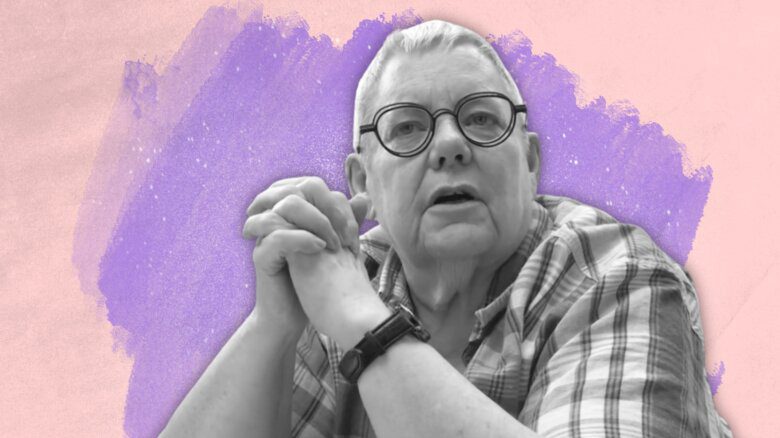
Below is a video interview we shot with Silveira at the launch of Black Tie Elevator in Toronto.

On occasion, the number of editors and other staff who contribute to a story gets a little unwieldy to give a byline to everyone. That’s when we use “Xtra Staff” in place of the usual contributor info. If you would like more information on who contributed to a particular story, please contact us here.

Read More About:
Video, Culture, Music, Trans, Arts, Canada

Keep Reading

Renée Richards at a tennis match

The complicated legacy of Renée Richards

The former tennis player broke barriers for trans athletes in 1977. Then she changed her tune
Supporters of HIV AIDS research participate in the 2025 Toronto Pride Parade

Toronto man set to be the first Canadian cured of HIV

The patient received a stem cell transplant for his cancer that acted as a “double cure” because it contained a rare genetic mutation resistant to HIV
A photo of the outside of the New York Times building in New York City

Only 1 in 5 ‘New York Times’ news stories about trans issues quote actual trans people: report

A new 'Assigned Media' report found that the 'New York Times' rarely cited trans people in coverage about trans issues
A side by side of images from On Our Backs, a lesbian magazine.

The radical legacy of ‘On Our Backs’ magazine

“On Our Backs” filled a void by authentically documenting—and celebrating—lesbian sexuality
Advertisement