Memo to straights: hands off Leonardo da Vinci

Portrayal of artist as heterosexual 'against all historical evidence'

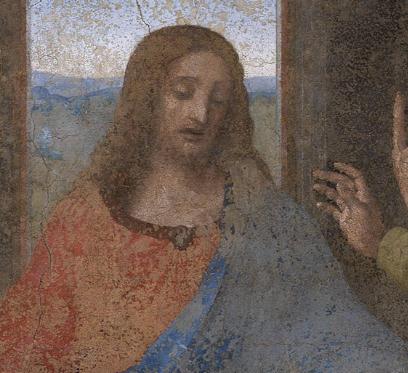
Leonardo da Vinci, the painter of such iconic masterpieces as The Last Supper and The Mona Lisa, was almost certainly gay. He had male lovers and likely never had sex with women, but popular culture continues to insist he was straight.

“I think he needs to be reclaimed,” says Ross King, author of the spellbinding book Leonardo and the Last Supper.

King’s book, which focuses on the painting of The Last Supper, won the Governor General’s Award for Non-Fiction and is up for the Charles Taylor Prize, which will be awarded in Toronto on March 4.

Ross says that the portrayal of da Vinci as straight — in The Da Vinci Code, for instance — is done “against all historical evidence.”

Below is a video interview with Ross King done by Fab magazine’s History Boys columnist Michael Lyons.

On occasion, the number of editors and other staff who contribute to a story gets a little unwieldy to give a byline to everyone. That’s when we use “Xtra Staff” in place of the usual contributor info. If you would like more information on who contributed to a particular story, please contact us here.

Read More About:
Video, Culture, Canada, Arts

Keep Reading

Book ban lists from Edmonton, Calgary school districts released

The Alberta government has mandated that school libraries remove titles with “inappropriate” content

Advocates mount new challenge to Alberta anti-trans law

Skipping Stone and Egale Canada are headed back to court to try and overturn Alberta’s youth gender-affirming-care ban

Dylan Mulvaney’s Broadway debut is about more than the backlash

Mulvaney’s casting in “SIX: The Musical” is the latest example of Broadway platforming trans stars
A side by side of Radclyffe Hall and her lesbian novel The Well of Loneliness, with was subject to censorship and obscenity laws

Inside the censorship campaign against this 20th century lesbian novel

Radclyffe Hall’s “The Well of Loneliness” was the target of obscenity laws in 1928