Justin Trudeau is resigning. What happens next?

The Canadian prime minister announced that he will step down and have his Liberal Party choose a new leader to lead them into the next election

Justin Trudeau announced Monday that he is stepping down as Canadian prime minister and leader of the federal Liberal Party. Parliament will be prorogued until March 24 to allow for a Liberal leadership race.

The move is a long time coming for the beleaguered Trudeau, who’s faced both internal and external calls to step down over the past few months. The prorogation delays a possible confidence vote and subsequent federal election call likely until at least the end of March. 

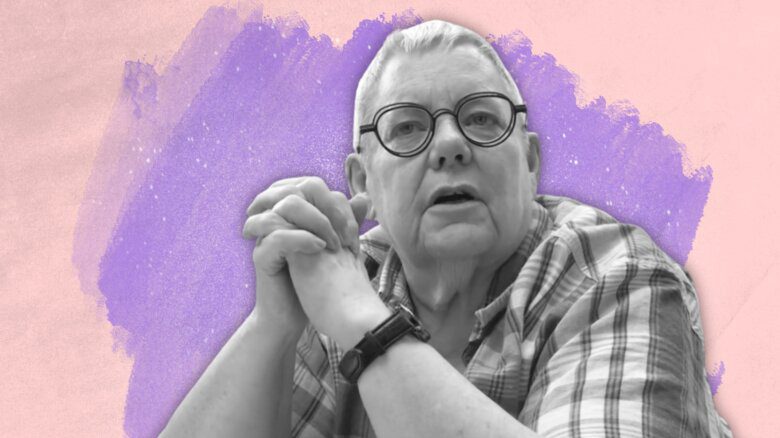
Senior editor Mel Woods breaks down what happens next, and what LGBTQ2S+ people and allies need to know for the next tumultuous few months in Canadian politics.


Senior editor Mel Woods is an English-speaking Vancouver-based writer, editor and audio producer and a former associate editor with HuffPost Canada. A proud prairie queer and ranch dressing expert, their work has also appeared in Vice, Slate, the Tyee, the CBC, the Globe and Mail and the Walrus.

Read More About:
Video, Power, Politics, Analysis, Canada

Keep Reading

A side by side of images from On Our Backs, a lesbian magazine.

The radical legacy of ‘On Our Backs’ magazine

“On Our Backs” filled a void by authentically documenting—and celebrating—lesbian sexuality
A side by side of two black and white photos by photographer Peter Hujar, one a self portrait and the other his piece Orgasmic Man.

The haunting photographs of Peter Hujar

Photographer Peter Hujar’s work revelled in eroticism, pain and the thin line between life and death
Demonstrators put up an LGBT Pride flag at Stonewall National Monument after it was removed by the Trump Administration

Pride flag returns to Stonewall after sudden removal

The Pride flag at Stonewall National Monument was taken down after a crackdown on “improper partisan ideology” in federal landmarks

How a Canadian social media age ban would impact trans people of all ages

Whether it’s requiring government ID or scanning users’ faces, digital age-verification tools pose a host of problems for queer and trans people
Advertisement