This story is part of Your Communities In Action, a continuing series on LGBTQ2 folks coping and caring for each other during the COVID-19 crisis.
For queer children and youth, the social distancing and closing of schools necessitated by the pandemic can make already existing problems much worse.
The Ten Oaks Project, based in Ottawa, Ontario, works with queer children and youth, or kids from queer families or communities, mainly through summer camp programs that help children to feel accepted. When the pandemic restrictions kicked in, the charity decided it would try to provide some support through online programming, including what it’s calling Camp Stay at Home.
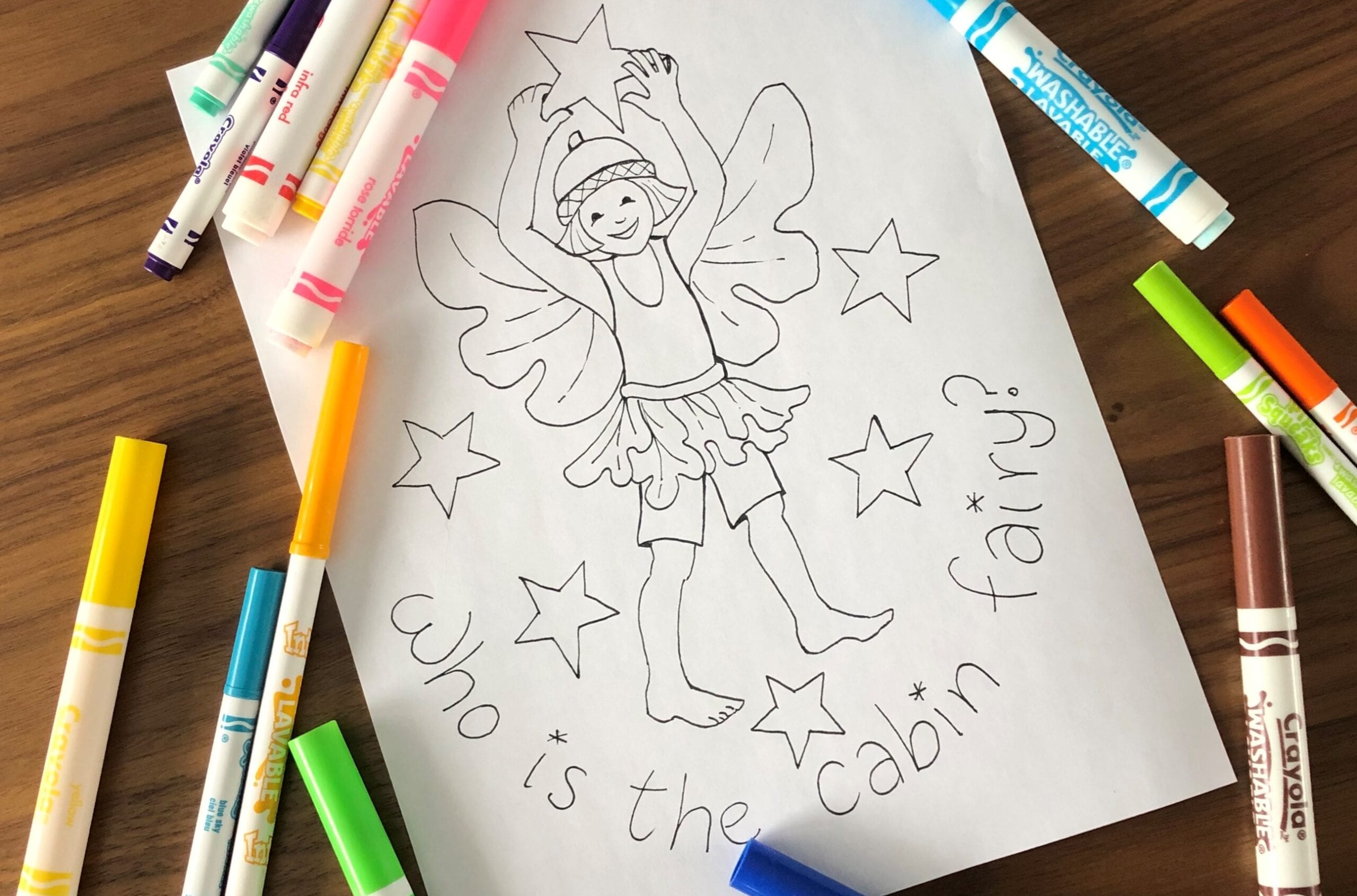
“When the World Health Organization declared COVID-19 a pandemic and we learned Ontario schools were physically closing for the foreseeable future, we began thinking about how we can support our communities during these uncertain and scary times,” says Hannah McGechie, the executive director of the Ten Oaks Project. “We wanted to provide some tools, activities, fun and joy online to folks’ homes. We also knew that the longer kids were not in school, the more antsy both they and their guardians might get. One of our volunteers suggested we create some camp-themed colouring pages to make available online, and that quickly turned into Camp Stay at Home, where we post a new craft or activity every weekday on our Instagram.”
McGechie says the restrictions imposed by COVID-19 can exacerbate the problems already faced by many of those children. She hopes the online program can help relieve some of those tensions and make a life a little more enjoyable for youth under stress.
“The world is filled with so much fear, uncertainty, frustration and stress right now,” McGechie says. “So many of the children, youth and families who we usually work with through our camps and community programs are already so isolated, and staying home amplifies that, even when it’s the best and most caring thing we can do for the health of our communities,” she says. “There are kids who are sharing living space now with unsupportive family members, and folks who have lost jobs or are losing income and are having to make really tough choices about how they and their families will survive. The negative impacts on physical and mental health are huge.
“Having things that remind and tie people back to a place they love—camp—helps keep them connected to the friends and community they have there, even if we’re not physically able to be together,” McGechie says. “There are also healing and meditative aspects to creating art, learning new skills and play.”

 Why you can trust Xtra