Mentioning the world vagina in a room full of fags often solicits a grand choral “Ewww!” But perhaps the rampant vag-phobia among gay men could be cured, with a little more understanding? Conceived by San Francisco fag/hag duo Keith Wilson and Shannon O’Malley, Gay Men Draw Vaginas is a still-in-the-works coffee-table book featuring sketches of lady parts drawn by those who’ve rarely, if ever, seen them up close. Xtra chatted with Wilson about the project and the original vag doodle that inspired it all.
What inspired this project?
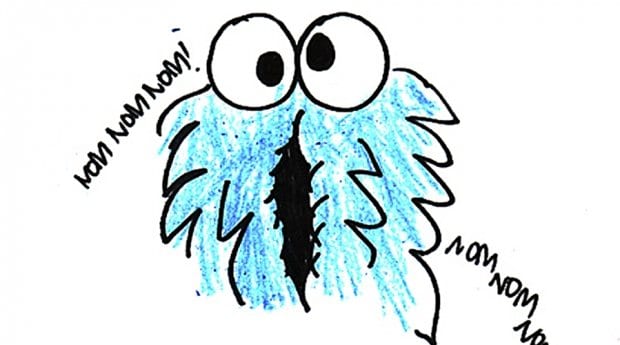
Keith Wilson: Three years ago, Shannon and I were at a restaurant with a bunch of other homos and the topic of vaginas came up. After a few unenlightened comments, Shannon asked me to draw a vagina on the table with a crayon. Everyone at our table gawked at it, critiqued it, and it started a totally vaginal conversation. Shannon asked my boyfriend to draw one. When he did, everyone wanted to scrutinize it and compare it to the other shitty vagina I’d made. It was a night of vag chat.
The week after our dinner, Shannon was still thinking about the drawn vag and asked a homo colleague for his interpretation. She expected something ludicrous but was delighted when he handed over a drawing of a crotch covered by a Facebook “like” button. It was conceptual and funny and unexpected. I was equally delighted when Shannon shared the drawing with me. We were on to something.
Shannon created a Tumblr, and we slowly started to post the drawings we collected from our homo friends and colleagues. We then had this idea for public vag-art booths where people on the street could draw and sign away their vaginas to us. It was this social experiment that offered up surprises as to who would identify as “a gay man,” who would want to draw and what the drawings would say.
Looking at the drawings so far, it’s not a project about gay men drawing vaginas. It’s a project about gay men drawing vulvas. Why not be anatomically correct in your terminology?
A lot of people who identify as women get angry that we’re not calling the book Gay Men Draw Vulvas since technically, most men draw vulvas for us, not vaginas. But we aren’t responsible for what people draw. The art isn’t in the drawings. It’s in having asked the question, “What will people who call themselves ‘gay men’ draw when asked to draw ‘a vagina’?” We’re glad the book is raising questions and complaints and conversations about popular perceptions of anatomy and sex and clits and vulvas.
You’ve started a Kickstarter campaign to fund the book that has already exceeded its target by a huge margin. What’s the plan for that extra money?
We’re just going to print as many books as we can. And then get some serious Botox treatments.

 Why you can trust Xtra