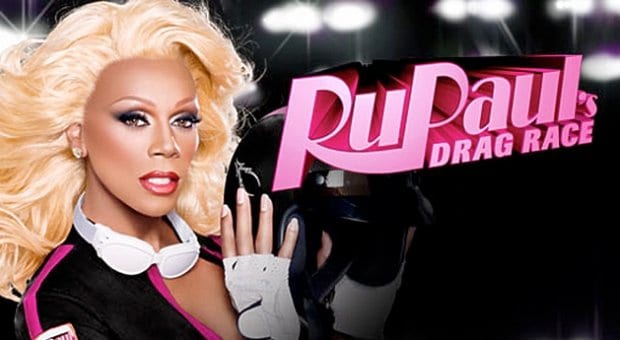
OUTtv, which bills itself as Canada’s only national gay and lesbian television network, has joined a group of independent broadcasters that are petitioning the Canadian Radio-Television Telecommunications Commission to reduce the number of hours of Canadian programming and the amount of money spent on Canadian productions required under its current licences.
The gay channel is currently required to air Canadian content during 50 percent of prime-time hours and 65 percent of daytime hours. OUTtv is requesting that the daytime requirement be dropped to 50 percent to match the prime-time hours.
Additionally, the channel is required to spend 49 percent of its revenue on Canadian programming – either original productions or acquisitions. The channel would like to see that dropped to 35 percent, which would cut its spending on Canadian programming by almost one-third.
OUTtv chief operating officer Brad Danks says that the channel can’t afford to purchase or create enough original Canadian content to fill its daytime programming requirements without resorting to broadcasting a large amount of repeats.
“The big issue is 50-percent prime time because that’s where most people do their watching. When we’re buying our programming, we’re buying for prime time, not daytime,” he says.
Danks also says that competing stations run by Bell and Shaw are required to spend only 30 percent of their revenue on Canadian programming, after they successfully lobbied the CRTC for reductions.
“The independent [channels] have asked, Why are you granting these concessions to the largest media companies in the country but not allowing us to lower our thresholds?” Danks says.
Reducing the Canadian programming expenditure requirement would allow OUTtv to purchase cheaper foreign-produced shows and movies, which Danks says will attract more viewers. “There is very little LGBT content available for acquisition in Canada. We are happy to produce a lot of different programs and commission those programs, but we need balance,” he says.
While the Writers Guild of Canada has not formally opposed OUTtv’s application, it remains opposed to cuts in Canadian programming, says spokesman David Kinahan.
“There absolutely is concern,” Kinahan says. “We rely on those regulations for a sort of cultural sovereignty because we’re neighbours to such a media production entity. In order to have content of our own, we seem to require broadcasters to make it because they don’t or won’t do it voluntarily.”
Kinahan also says that the only way to get more queer Canadian content is to require broadcasters to pay for it.
“Typically, if there is a demand for programming and broadcasters are open to pitching, there’s plenty of talent ready and willing to make the shows,” he says.
Danks says OUTtv has a subscriber base of 1.2 million households and pulls between 25,000 and 50,000 viewers during prime time.

 Why you can trust Xtra