Who?
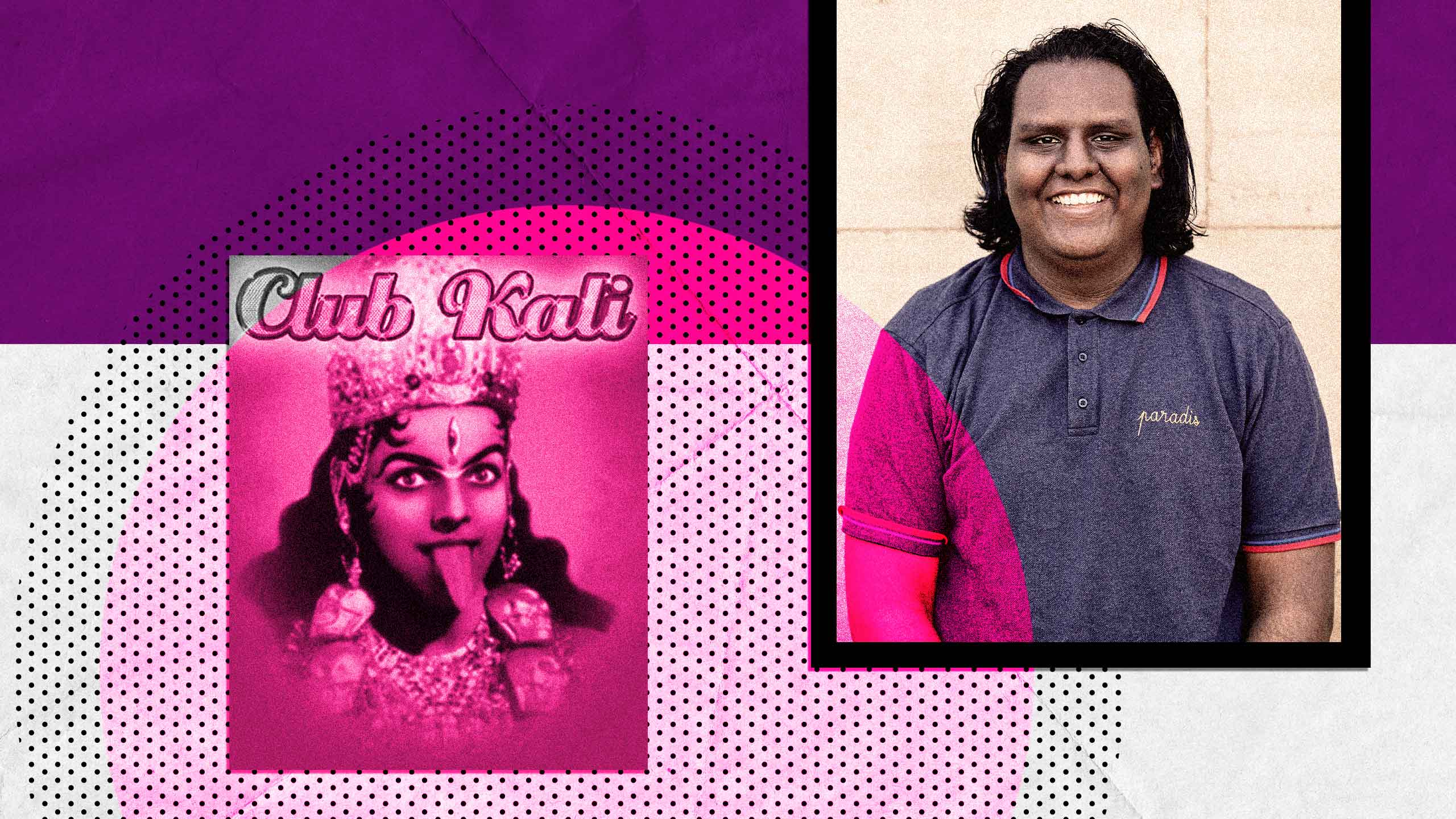
I am a 27-year-old journalist based in East London who was made redundant in his daytime job at a coffee shop when the first lockdown happened in March 2020.
What?
Club Kali which hosts weekly online workshops and social gatherings dedicated to all LGBTQ+ individuals of colour to connect and share learning, lightness and laughter from the U.K. to Asia, San Francisco and even Finland!
Why?
While doing research on an article about South Asian drag, several queens I interviewed spoke fondly of the time they spent performing at Club Kali in London. I had never heard of it, and was shocked to find out that these LGBTQ+ Bollywood club nights had been running for 26 years. Even I, an introvert who’s scared to dance in public, dreamed of joining a Kali night filled with people who look like me and share my love of both old-school Bollywood soundtracks and Rihanna.
In 1995, domestic violence expert Rita and DJ Ritu created Club Kali in London as a safe space for South Asians who identified as LGBTQ+. COVID-19 regulations stopped everything in March 2020, closing all club venues and tearing Kali’s community apart.
Initially partnering with Spectra London, a charity focused on sexual and mental health for LGBTQ+ and communities of colour, Club Kali moved online and created a safe space called the KaS Project that resembled the Kali spirit of a home away from home for queer individuals. Kali also hosted online celebrations for World AIDS Day, Queermas (for those alone in lockdown on Christmas Day) and LGBT History Month with trivia nights, games and, obviously, dancing.
Making connections
I’m no fan of self-development webinars where you watch other people talk—but that isn’t a concern when it comes to these virtual events. At Club Kali, you are welcomed on a Zoom call as you would at the doors of an actual club night. To help run the sessions, Rita reached out to her old friend Deni, an actress and trainer who was part of the opening night of Club Kali in 1995.
While I’m not out to my family back home on Reunion Island, I am lucky enough to have my own room in a shared apartment; it’s easy for me to respect Club Kali’s ground rules of isolating myself in a room when the camera is on, but it might be a challenge for others. Anonymity and respect for privacy have been in Kali’s DNA since the start.
During one healthy relationship event, I learned how to create a self-care bingo card and practised some tai chi, and I was happy to see other people my age and younger joining in. Being stuck at home in a South Asian household with parents and relatives can be tough for many LGBTQ+ individuals, but imagine having to isolate in these conditions for nearly a year without any escape! That’s why I now chip in as Club Kali’s social media editor to spread the word and try to make our community more engaged online.
How queer is it?
Though Club Kali is known for celebrating its South Asian heritage, its events welcome LGBTQ+ people from all backgrounds and ethnicities. British queer history is always a big part of the trivia quizzes: Did you know once upon a time there was a gay brothel where Buckingham Palace now stands? And queer performers are a staple: South Asian drag queen Lady Bushra performed a special stand-up routine for the Queermas party. The online Bolly-Pop dance class by Kali’s Bollywood instructor, Emiko Jane Ishii, was a hit during one of the February events. From the comfort of her living room, she taught us how to shimmy to Shakira’s “Whenever, Wherever” before returning to her “regular” life as a professional ninja.

 Why you can trust Xtra