
Credit: Devin Elijah
It takes guts to shoot on Polaroid. Kept alive by the art and fashion industries for its convenience long after being abandoned by casual users, the format finally met its death in 2008. With slumping sales in the wake of the digital revolution, the company shuttered its remaining factories, and photo-nerds across the globe let out a collective sob.
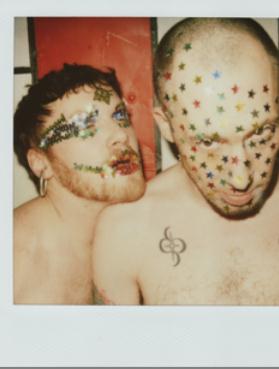
But when photographer Devin Elijah chose the defunct medium for his current project, it wasn’t for the simple challenge of finding the film. While he admits enjoying combing out-of-the-way drugstores and truck stops for dead stock, it was the inherently nostalgic quality and effect on his shooting process that sold him on the format.
“Photography these days can be so fleeting since everyone is shooting pictures with their iPhones all the time,” the New York-based artist says. “I wanted to create something that felt timeless, encompassing the possibility of future nostalgia. I get bored with digital because you can just shoot until you get it right. Polaroid takes a lot more thought since the number of shots is limited.”
Equal parts homage to the beauty of a bygone era and hunger for a past that never existed, the 28-year-old artist’s Canadian debut comprises 20 large-format reproductions and about 50 originals. Reminiscent of early Nan Goldin, his collection of East Village acquaintances hide nothing from his gaze. Naked with their scars, tattoos and black eyes exposed, his subjects smoke, sulk or stare contemplatively into the lens.
“To create an intimate portrait I have to achieve a space of intimacy,” he says. “I build trust, divulging things about my life I might not ordinarily, to get them to open up and show a side they wouldn’t normally show. Bringing the past into the present makes for stronger images.”
Elijah’s fixation with the past goes beyond Generation Y’s seemingly inborn nostalgia. He lost his mother to AIDS in 1990, when it was still largely relegated to drug addicts and gay men. The spectre of the disease looms over every gay man who’s grown up post-1980. Linking pleasure with death from the earliest stages of sexual awakening, in his case it hit home in an all-too-literal way.
“Whether it’s my intention or not, everything I do as an artist is informed by my mother dying,” he says. “She’s the driving force behind my work, and part of my process is certainly about exorcising those demons. There’s a sombre quality to what I do, regardless of the subject. But in looking to her through my images I’m not trying to revel in a depressing past. It’s an attempt to close a cycle of confusion with rebirth.”
The Deets:
Devin Elijah: Polaroids
Fri, April 13–Sun, April 29
The artist will present from New York City on opening night
La Petite Mort Gallery
306 Cumberland St
613-860-1555

 Why you can trust Xtra