Mount Moriah: Music from a changing US South

Lesbian lead singer's parents work for Billy Graham

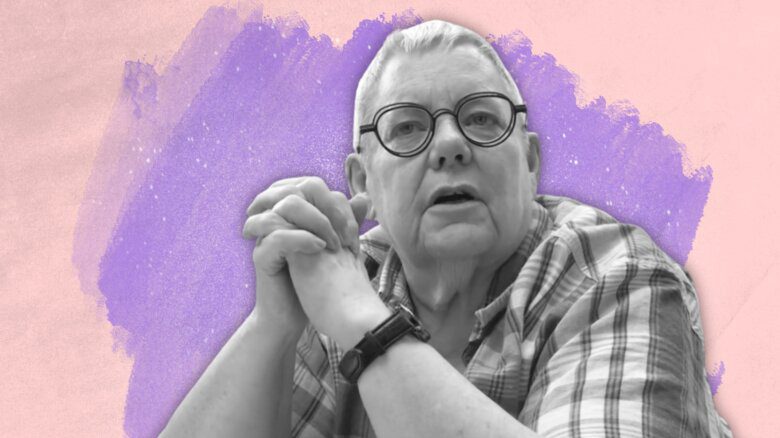
Mount Moriah, a location rich in biblical history, seems an odd name for a band headed by a lesbian singer. But times are changing.

Heather McEntire, whose parents work for evangelist Billy Graham, seems unfazed by apparent oxymorons. She even sees the possibility of gay Baptists.

“I do,” says McEntire, who is based in North Carolina. “Now, I wouldn’t say it’s more acceptable, but it’s becoming an option — a reality — in certain parts of the country.

“I think it really depends on a lot of people opening their heart to it.”

Mount Moriah’s music might help lead the way. The band’s sound has been called everything from country, to Southern rock. But McEntire is hesitant to categorize it.

“It comes from the heart,” she says. “It’s genuine music.”

In the video interview below, McEntire talks with Lucas Silveira of The Cliks.

Mount Moriah is currently touring the US. The band’s most recent CD, Miracle Temple, is available online.

On occasion, the number of editors and other staff who contribute to a story gets a little unwieldy to give a byline to everyone. That’s when we use “Xtra Staff” in place of the usual contributor info. If you would like more information on who contributed to a particular story, please contact us here.

Read More About:
Video, Culture, Music, Arts, Canada

Keep Reading

Renée Richards at a tennis match

The complicated legacy of Renée Richards

The former tennis player broke barriers for trans athletes in 1977. Then she changed her tune
Supporters of HIV AIDS research participate in the 2025 Toronto Pride Parade

Toronto man set to be the first Canadian cured of HIV

The patient received a stem cell transplant for his cancer that acted as a “double cure” because it contained a rare genetic mutation resistant to HIV
A photo of the outside of the New York Times building in New York City

Only 1 in 5 ‘New York Times’ news stories about trans issues quote actual trans people: report

A new 'Assigned Media' report found that the 'New York Times' rarely cited trans people in coverage about trans issues
A side by side of images from On Our Backs, a lesbian magazine.

The radical legacy of ‘On Our Backs’ magazine

“On Our Backs” filled a void by authentically documenting—and celebrating—lesbian sexuality
Advertisement